Hidden within the golden hills of the Jordan Valley is one of Christianity’s most sacred places, where history, faith, and archaeology truly come alive. Of all the historic wonders in the region, Bethany Beyond the Jordan stands completely alone as the holy ground where Jesus Christ was baptised by John the Baptist. This guide helps you get the most out of this extraordinary destination. It breaks down everything you need to know before you arrive. Inside, you’ll find easy, practical advice covering your ticket choices and the mandatory guided tours. You will also learn exactly what to expect when walking through this heavily protected UNESCO complex.
What is the Baptism Site ‘Bethany Beyond the Jordan’, and why is it famous?
Bethany Beyond the Jordan, known locally as Al-Maghtas, is an ancient archaeological site, globally famous for its biblical connection. Many believe this is the authentic location where John the Baptist lived and preached. It is also where he baptised Jesus Christ. This event marked the official beginning of Jesus’s public ministry. Today, this remarkable site has become one of the world’s most important pilgrimage destinations in the Middle East. However, its history extends beyond the New Testament. The area is also famous in Old Testament tradition. It is revered as the exact place where the prophet Elijah ascended to heaven in a chariot of fire.
However, the site’s importance goes far beyond faith alone. In 2015, UNESCO recognised its outstanding universal value by adding it to the World Heritage list.
Where Is Bethany Beyond The Jordan Located?
A remarkable setting unlike anywhere else.
Located on the eastern side of the Jordan River, about 9 km north of the Dead Sea and facing ancient Jericho across the water, Bethany Beyond the Jordan sits at the heart of one of the Bible’s most important landscapes. Today it forms part of modern Jordan, while the opposite riverbank belongs to the Israeli-occupied West Bank. This unique location gives you the unusual experience of standing at both a deeply significant religious site and an international border. Even before entering the archaeological area, its location helps explain why this landscape has played such an important role for thousands of years.
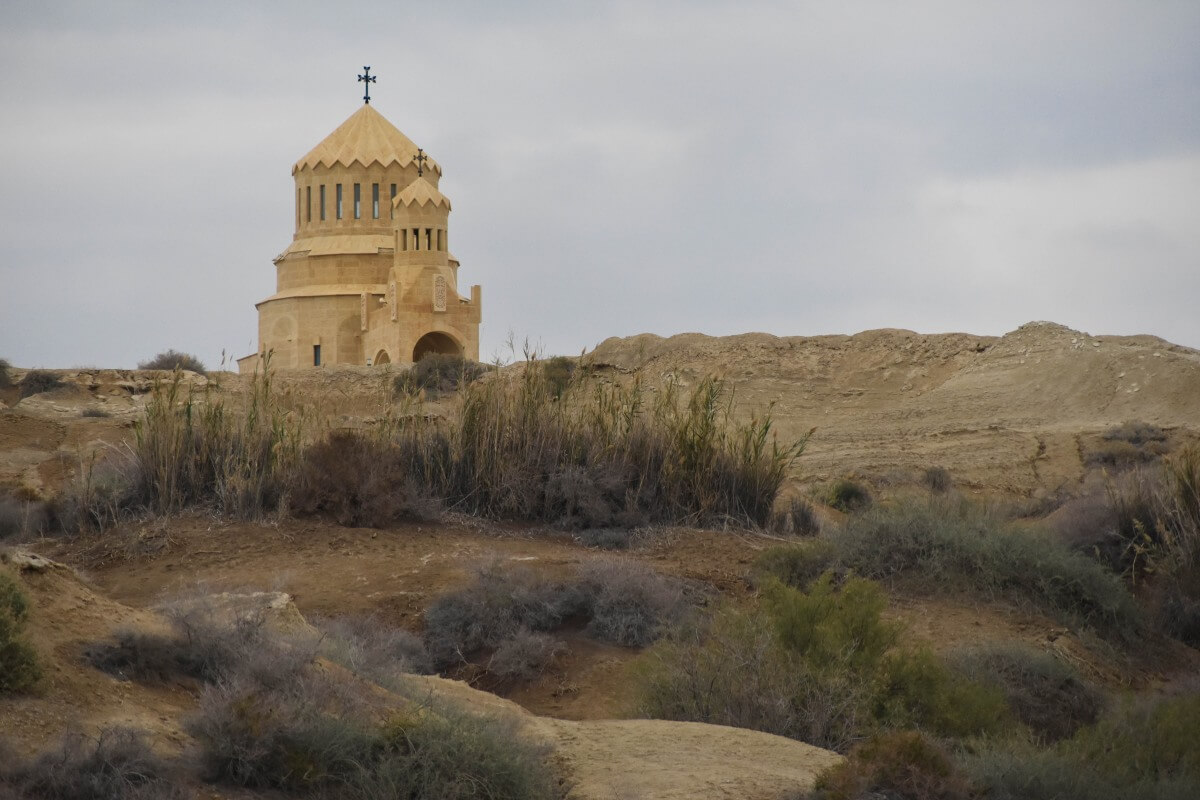
Unlike many famous historic attractions surrounded by hotels, shops, and busy roads, this UNESCO site still feels wonderfully isolated and authentic. Wide desert plains, low hills and the quiet waters of the Jordan River create an authentic wilderness that has changed surprisingly little over the centuries. Great care has been taken to preserve this natural setting. Visitor shelters and walkways use simple local materials that blend into the landscape rather than dominate it.
A LANDSCAPE THAT STILL FEELS BIBLICAL
Bethany Beyond the Jordan sits along the ancient route connecting Jerusalem with Transjordan through Jericho. Long before modern borders, this area was a thriving crossroad for trades, pilgrims, and travellers. The historic site is tightly clustered with several of Jordan’s premier biblical destinations, including Mount Nebo, Madaba, and the King’s Highway.
Lost to Time: How the Baptism Site of Jesus Christ Went Missing for Centuries
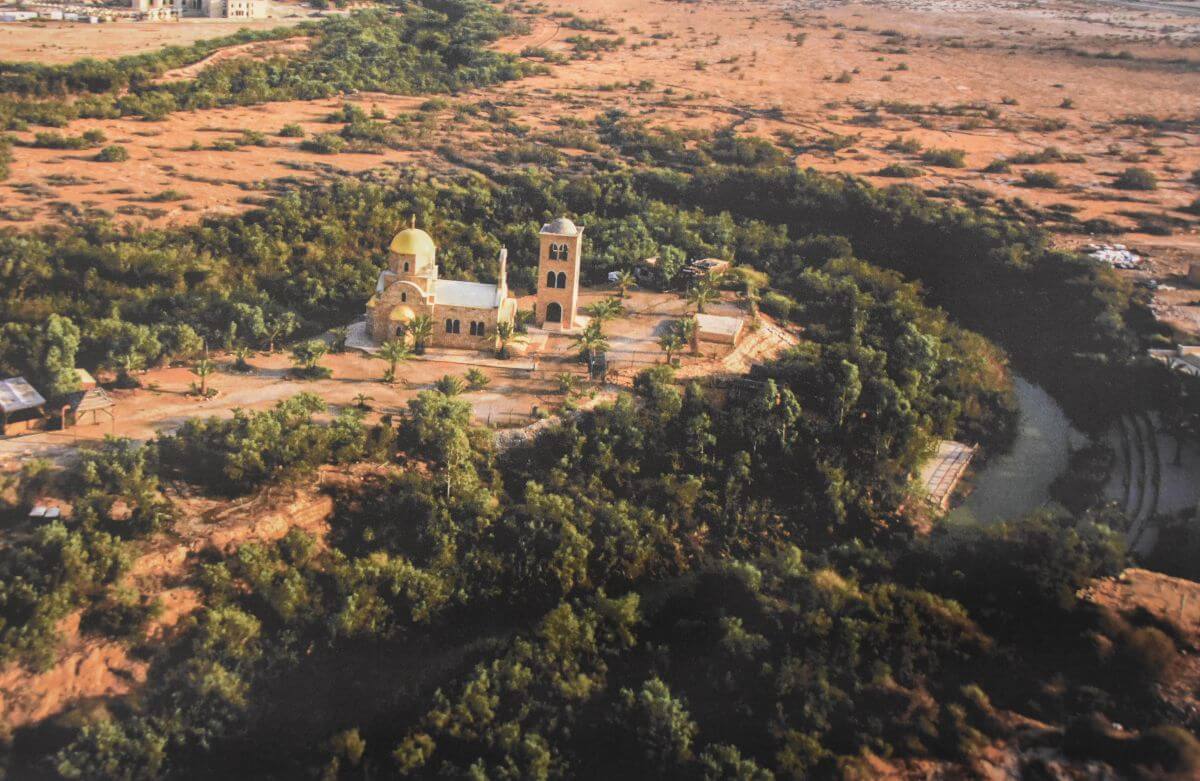
It may sound unbelievable today, but the place where many Christians believe Jesus Christ was baptised almost disappeared from history. For centuries, pilgrims travelled to Bethany Beyond the Jordan, building churches, monasteries, and chapels to honour one of Christianity’s most important events. Then, everything changed. Political power shifted across the region, the organised pilgrimage network gradually collapsed, and the site was abandoned. Desert plants slowly covered ancient ruins, and over time this once-famous holy place faded from public memory.
THE LANDMINE MIRACLE
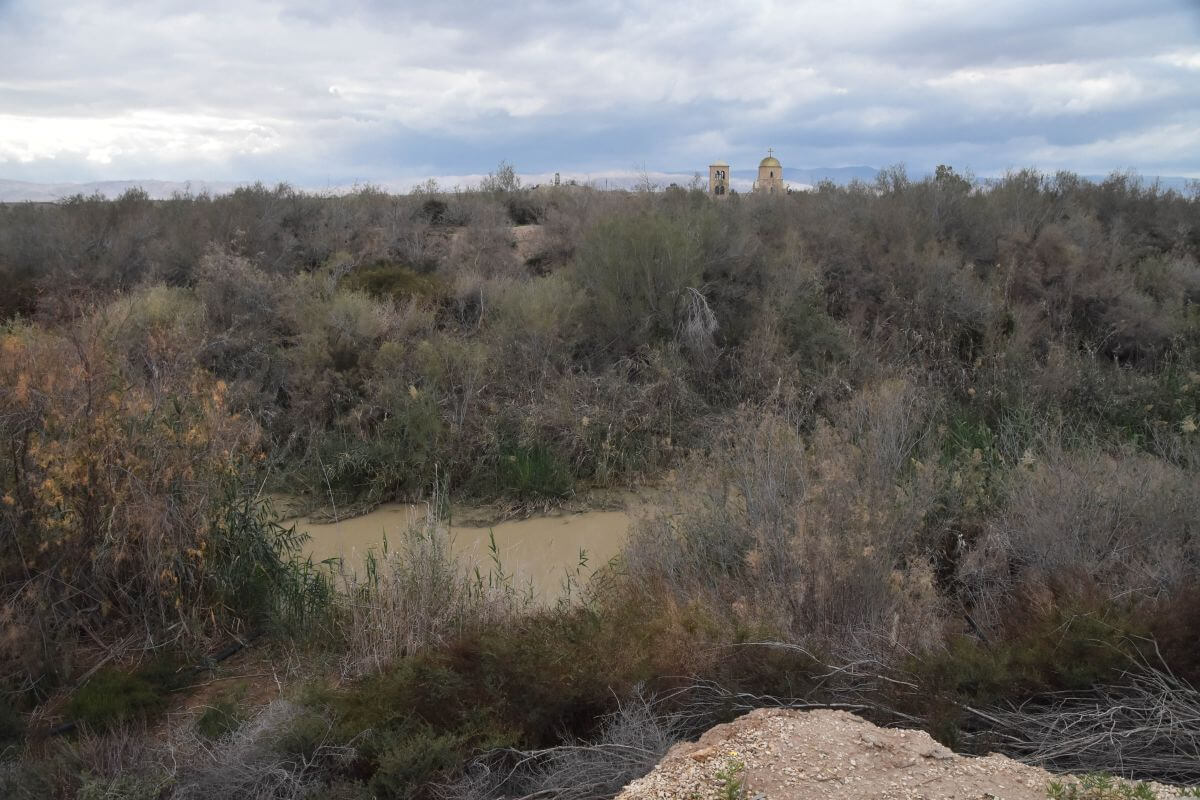
Its story became even more dramatic after the 1967 Six-Day War. According to the historical records, the Jordan River became a heavily fortified frontline between Jordan and Israel. As a result, the entire area was transformed into a closed military zone filled with thousands of landmines. For nearly three decades, almost nobody could safely enter this sacred landscape. Ironically, that danger became one of its greatest protections. Unlike other famous historic sites, this one escaped modern commercial building and remains almost untouched. This allowed it to preserve the same wilderness setting that pilgrims had known centuries earlier.

Political isolation accidentally acted as a protective shield, keeping the area exactly as it looked 2,000 years ago.
FOUND AGAIN:
The turning point finally came in 1994 when Jordan and Israel signed their historic peace treaty. Soon afterwards, Prince Ghazi bin Muhammad led a major project, allowing archaeologists to begin exploring the area for the first time in decades.
Why is Bethany Beyond the Jordan a UNESCO World Heritage Site?
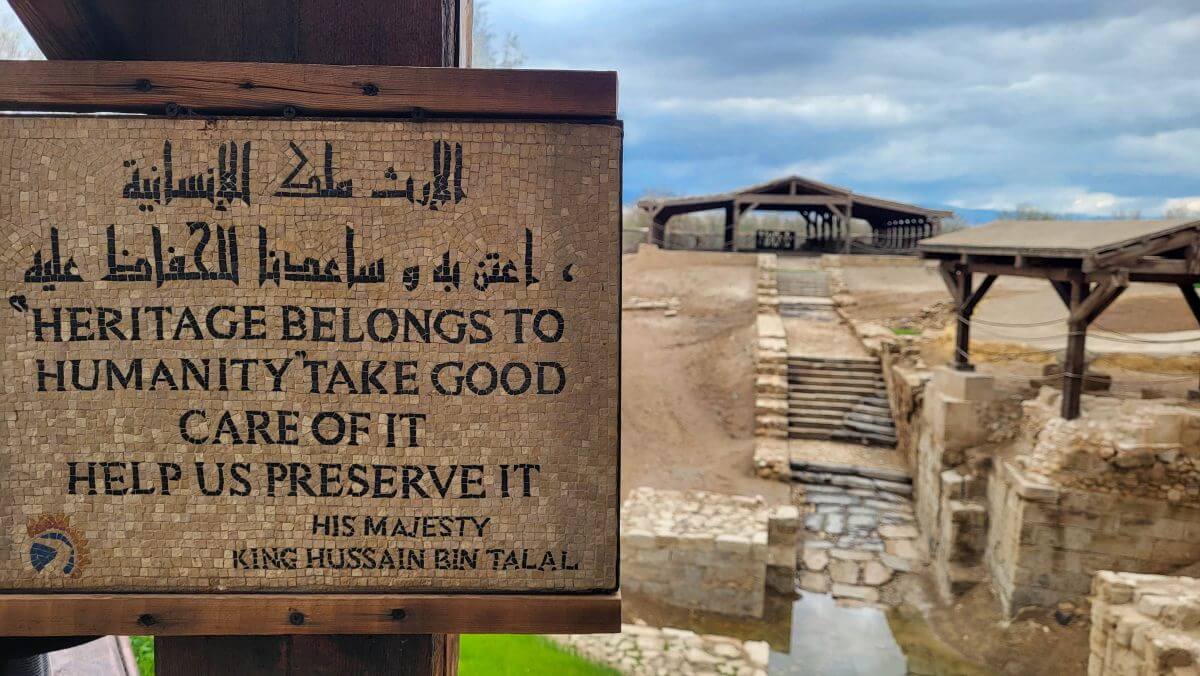
The archaeological discoveries made after 1994 transformed understanding of the site. They also played a major role in its eventual UNESCO inscription. In 2015, UNESCO officially added Bethany Beyond the Jordan to the World Heritage List because of its exceptional combination of history, archaeology, and living religious tradition.
The site preserves outstanding archaeological evidence of early Christianity. Archaeologists uncovered a remarkable collection of churches, monasteries, hermit caves, and baptismal pools dating from the Roman and Byzantine periods. These discoveries provided clear physical evidence connecting written history with the landscape itself. Instead of relying on religious tradition, archaeologists uncovered remains showing that Christians had identified, honoured, and protected this location from at least the fourth century onwards. Every new excavation strengthened the historical picture, revealing how generations of believers returned to this exact place to remember the baptism of Jesus Christ.
A LIVING TRADITION THAT NEVER ENDED
At the same time, one of the strongest reasons for UNESCO recognition is that it remains a living place of worship rather than simply an archaeological monument.
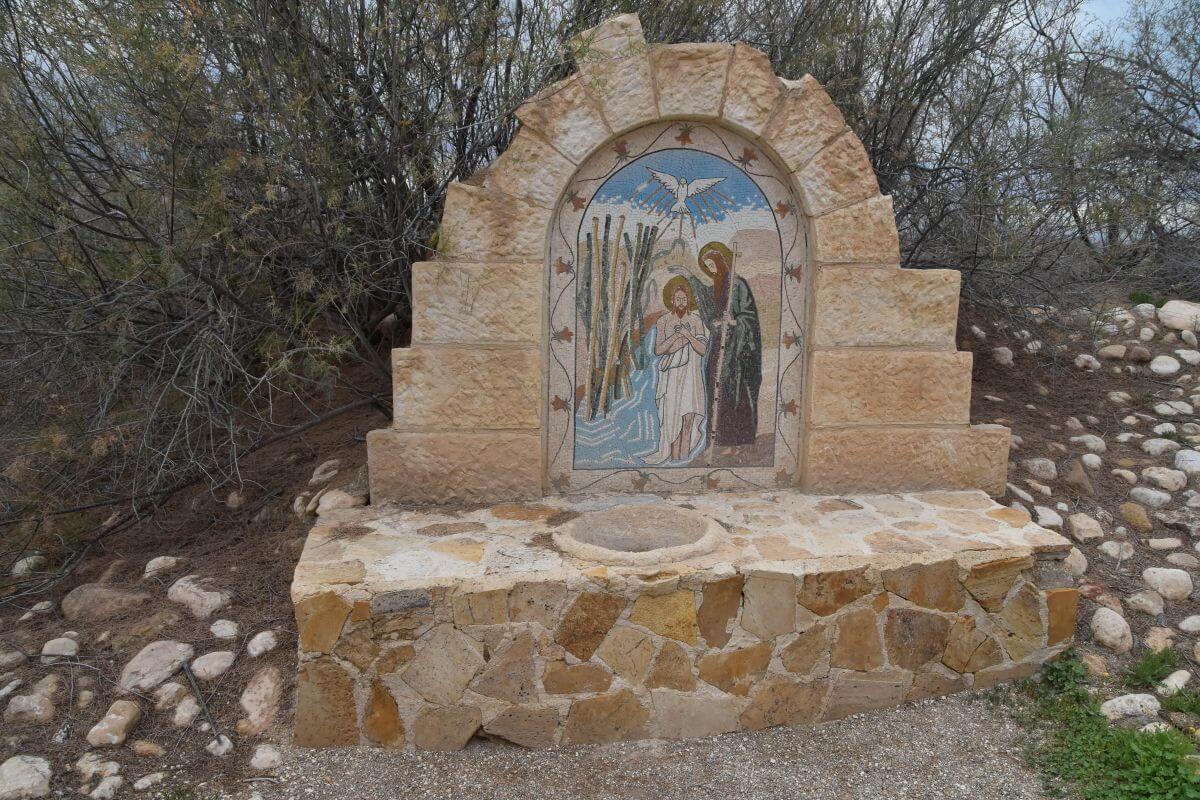
For more than 1,600 years, Christians have travelled here to pray, reflect and take part in baptism ceremonies. This tradition continues today. Pilgrims still gather at the river to renew their faith, be baptised or symbolically enter the waters where Jesus is believed to have been baptised by John the Baptist.
Throughout history, churches, monasteries, and water systems were built here to support these pilgrims. The surrounding landscape is also closely linked with the biblical prophets Elijah and Elisha. Rather than preserving a forgotten civilisation, UNESCO recognises a place where ancient Christian traditions continue almost exactly as they have for generations.
Is Bethany Beyond the Jordan the Authentic Baptism Site of Jesus?
For an event that took place around 2,000 years ago, it’s impossible to prove the exact location with complete certainty. However, when biblical references, early Christian writings, archaeology, and centuries of pilgrimage are considered together, the evidence strongly supports Bethany Beyond the Jordan as the authentic place where John the Baptist baptised Jesus Christ.
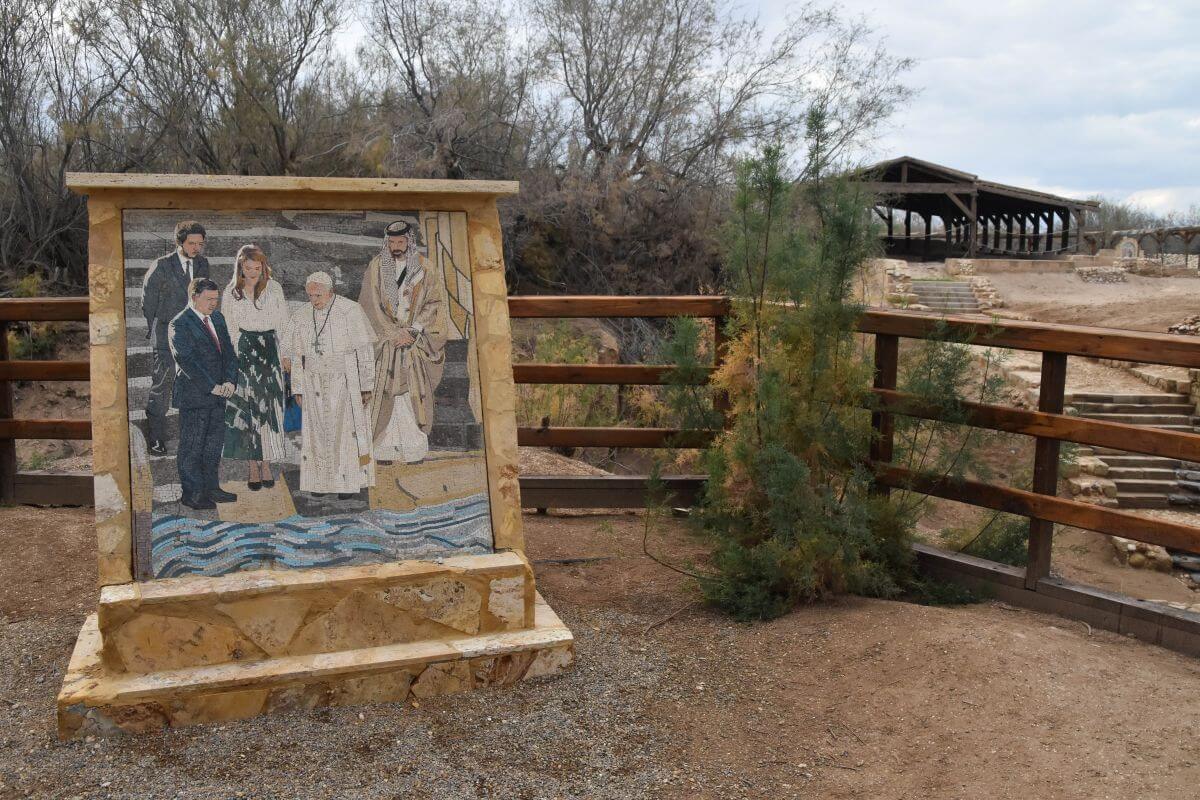
Today, the Baptism Site in Jordan is recognised by Catholic, Greek Orthodox, Anglican, and Lutheran Churches. The site’s importance has also been recognised by several Popes, including John Paul II, Benedict XVI and Francis. They all made pilgrimages to the Jordanian site of the river, publicly acknowledging its historic and spiritual significance.
WHY SCHOLARS SUPPORT THIS LOCATION
The strongest evidence begins with the Bible. The Gospels describe the baptism taking place at ‘Bethany Beyond the Jordan’, placing the event on the eastern side of the Jordan River rather than the western bank.
The 6th-century Madaba Mosaic Map, one of Christianity’s greatest treasures, also supports these historical records. The oldest surviving map of the Holy Land clearly marks the baptism site on the easter bank of the river near its outlet into the Dead Sea. Long before archaeologists uncovered the buried remains, Christians already recorded this exact location as the place associated with Christ’s baptism.
Excavations carried out after the 1994 peace treaty added even stronger evidence. As mentioned before, archaeologists found remarkable remains of Byzantine churches and other structures built over the same sacred location. Rather than relying only on tradition, historians now have substantial archaeological evidence supporting the site’s long-lasting importance.
WHY IS THERE ANOTHER BAPTISM SITE ACROSS THE RIVER?
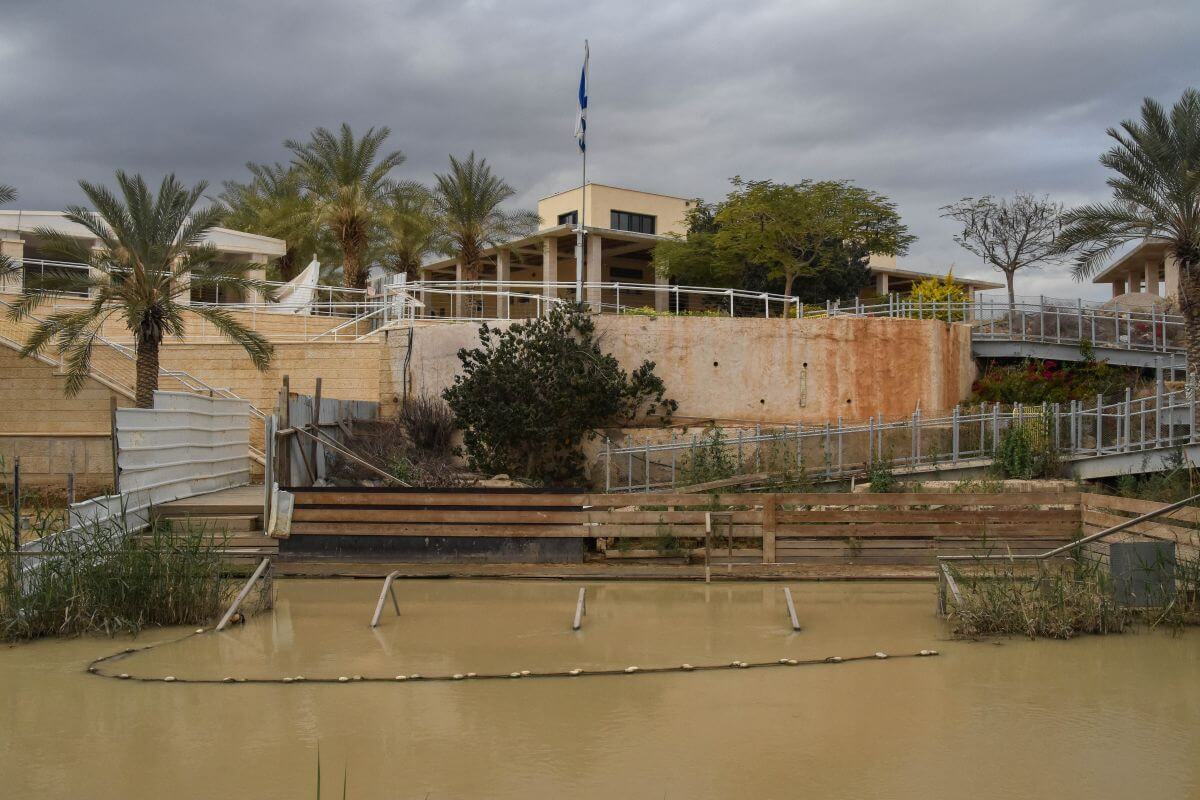
Many visitors (including us) are surprised to discover another famous baptism site called Qasr al-Yahud directly across the river on the Israeli and West Bank side. This often creates confusion, but the explanation is largely historical rather than archaeological.
According to historical records, between 1967 and 1994, the eastern bank remained closed behind a heavily mined border. During those decades, pilgrims couldn’t safely visit the original site, so most visitors travelled instead to Qasr al-Yahud, which became the more famous destination. After the peace treaty allowed landmines to be cleared and archaeological excavations began. This is when researchers discovered that the Jordanian side preserved far richer historical evidence, including ancient buildings and churches with no equivalent across the river.
Today, many visitors still choose Qasr al-Yahud for symbolic dipping in the river. However, the strongest combination of biblical references, early Christian testimony, and archaeological discoveries favours Bethany Beyond the Jordan as the authentic location of Jesus’ baptism.
DID YOU KNOW?
Due to shifting river routes, conflict, and limited accessibility, the eastern side became hard to reach. By the 6th century, pilgrims from Jerusalem started using the safer west side instead.
From Biblical Waters to World Heritage: The 2,000-Year Timeline of Bethany Beyond the Jordan

What Can You Expect When Visiting Bethany Beyond the Jordan?
1. Your journey begins at the Visitor Centre
Every visit to Bethany Beyond the Jordan starts at the official Visitor Centre, which serves as the entrance to this remarkable UNESCO World Heritage Site. This is where you’ll buy your ticket, use the facilities, and you can read information about the site before your tour begins. If you haven’t booked with a private guide, there’s no need to worry because an official site guide is included with your visit.
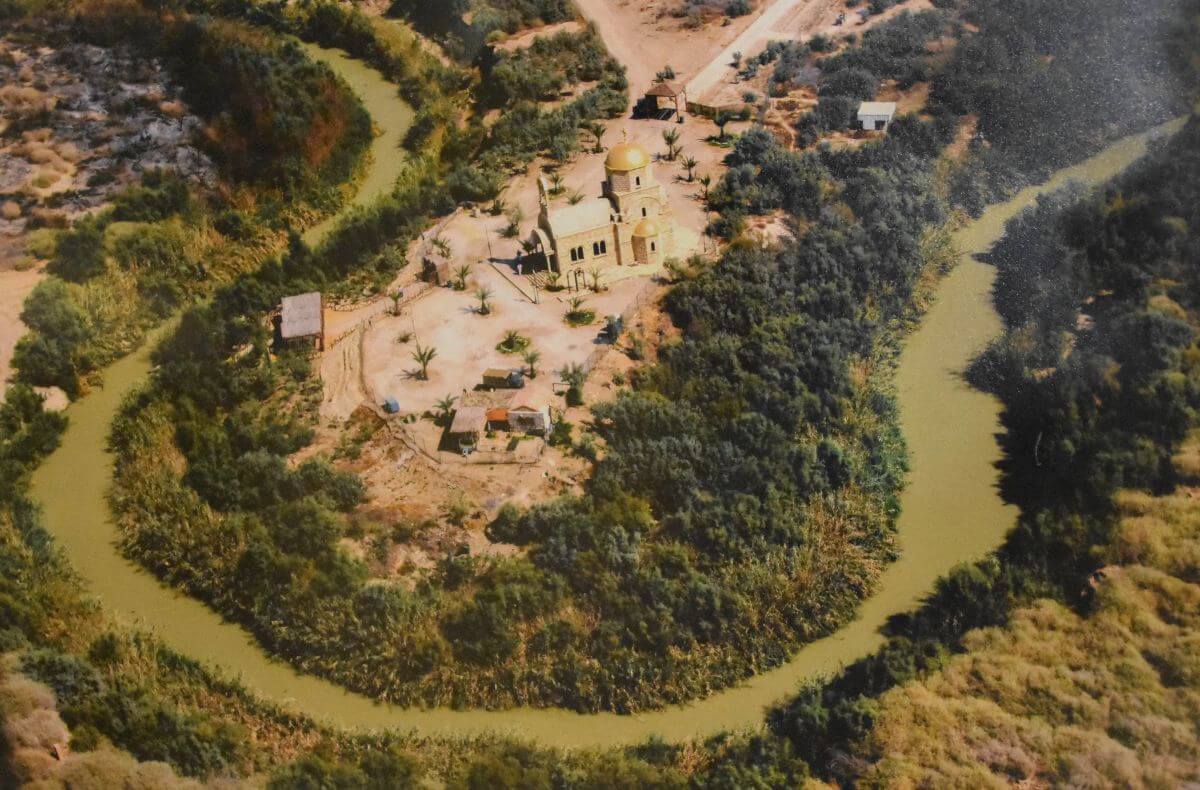
Before your guided tour, take time to explore a small museum and photo gallery at the visitor’s centre. It includes historical maps and educational displays, mapping out the land’s exact biblical significance and chronicling the late 20th-century archaeological excavations.
GOOD TO KNOW:
Independent visits to the Baptism site of Jesus Christ aren’t permitted because the archaeological site sits inside a sensitive military border zone. For that reason, every visitor follows the same organised route.
OUR EXPERIENCE:
We visited the Baptism site in Jordan in February in the late afternoon after returning from our day trip to the Dead Sea. We joined the final tour of the day, which was an excellent decision because there were very few people around. The quieter atmosphere made the entire experience feel much more peaceful, allowing us to appreciate both the history and the unique setting without large crowds.
2. The mandatory bus ride to the archaeological site
Once your group is ready, everyone boards an official shuttle bus for the short journey from the Visitor Centre to the archaeological area. The drive takes only around 10 minutes, but it immediately reminds you that this is unlike visiting a normal tourist attraction. As the bus travels through the protected border landscape, your guide begins introducing the history of the site before dropping everybody at the beginning of the walking trail. From here, the real experience begins.
3. Easy walk
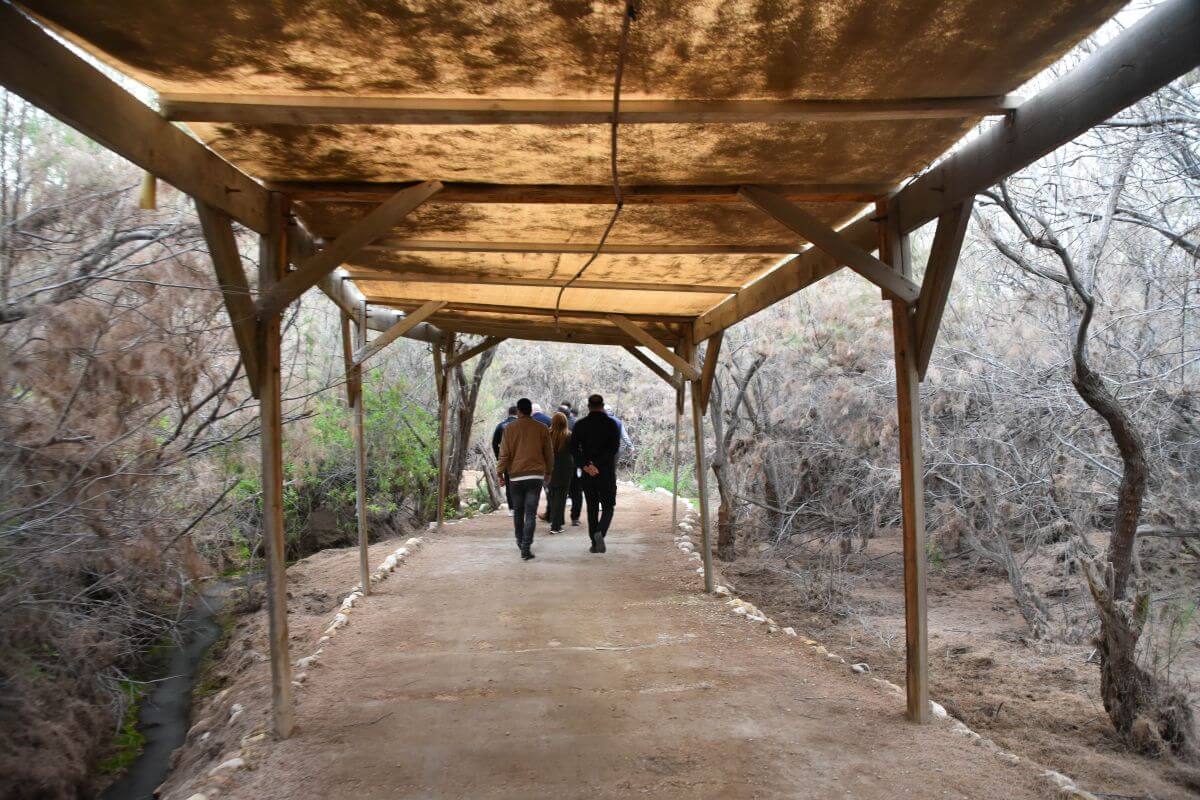
After leaving the bus, you’ll follow a clearly marked path through the peaceful wilderness towards the river. The walk takes approximately 10 to 15 minutes. It covers approximately 1.3 km (1 mile) each way across completely flat ground.
We walked at a relaxed pace. Rather than feeling like a long hike, the walk is one of the highlights of the visit. The atmosphere feels remarkably unchanged despite thousands of years of history. The landscape is wonderfully quiet, with desert plants, reeds and open views across the Jordan Valley. On your way, you’ll pass ancient ruins through a shaded wilderness corridor until you reach the dry archaeological baptism site pool and finally the banks of the active Jordan River.
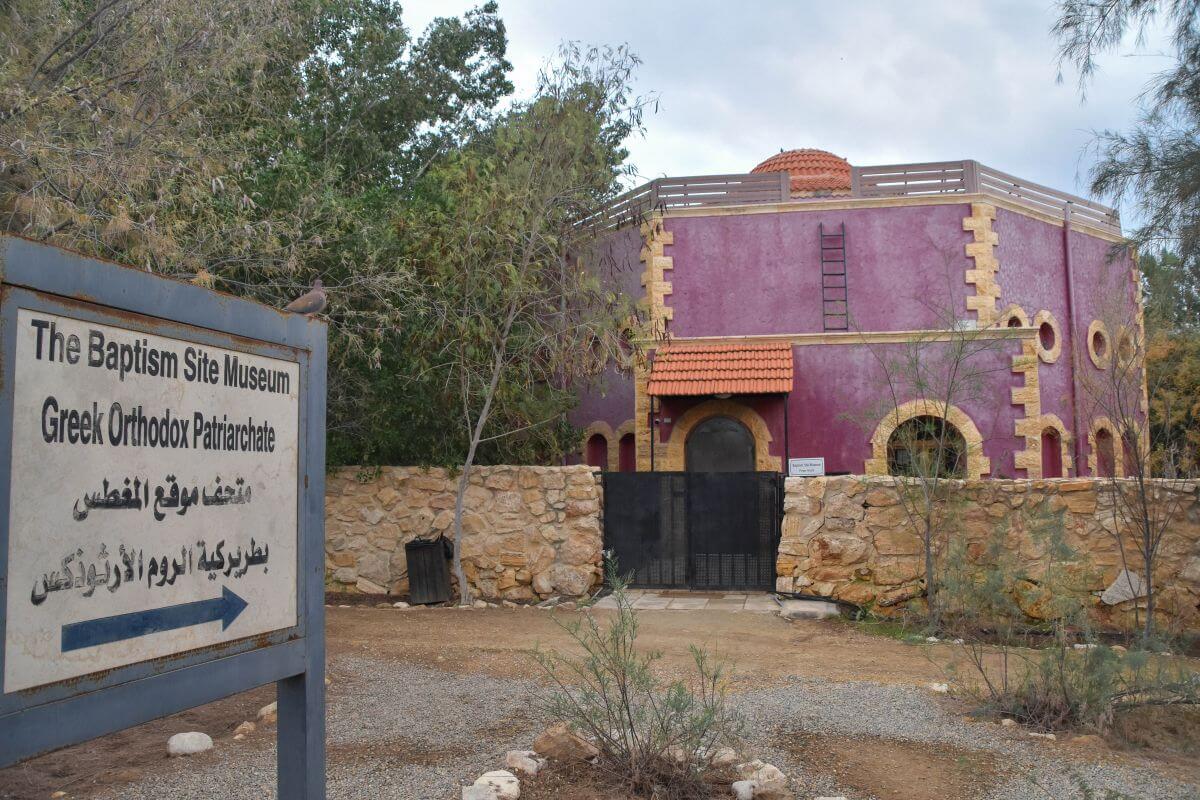
Along the route you’ll also pass a small museum explaining the site’s archaeological discoveries, together with a gift shop selling books, souvenirs and religious items. Near the bus drop-off area there’s also a small snack kiosk where you can buy drinks and ice creams before or after the walk.
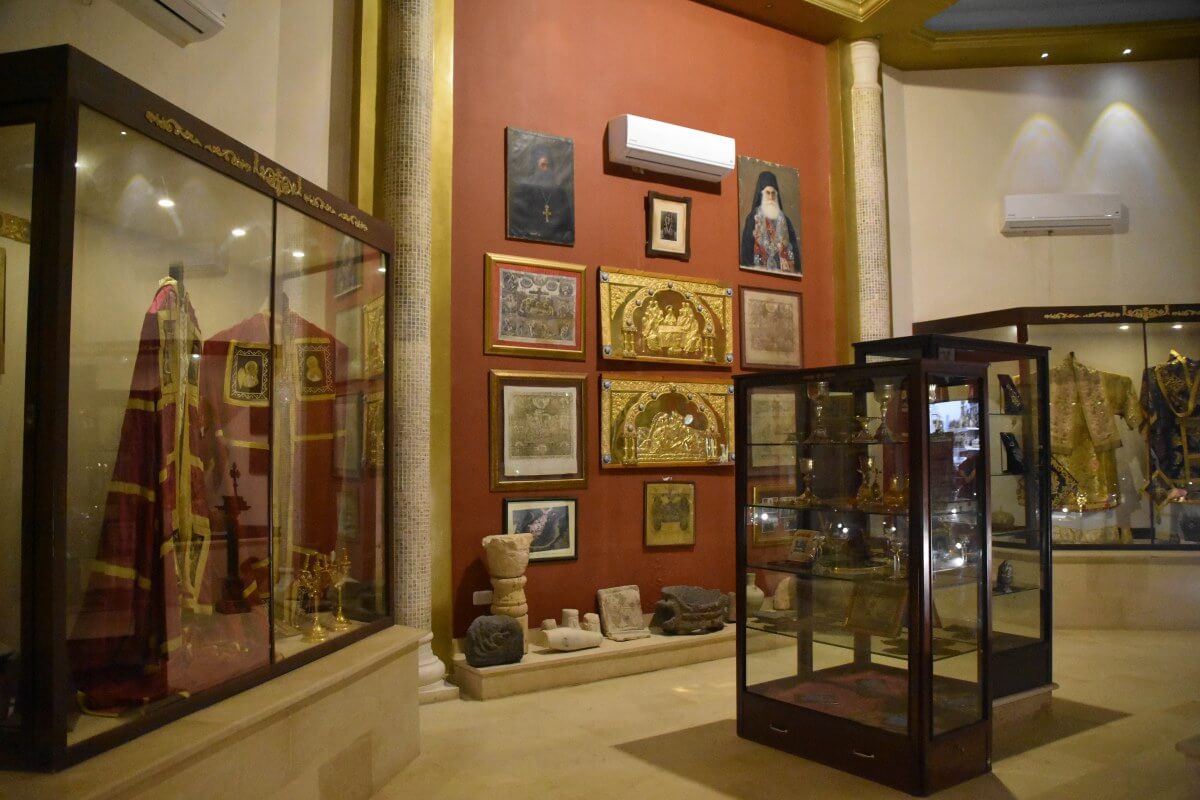
Inside the museum
Whether you’re religious or simply interested in history, this peaceful walk through the protected landscape gives you time to appreciate the importance of the place. As we walked towards the river, we couldn’t help wondering whether we were following the same route once taken by Jesus, John the Baptist and countless pilgrims over the centuries.
4. Two archaeological sites connected by one stream
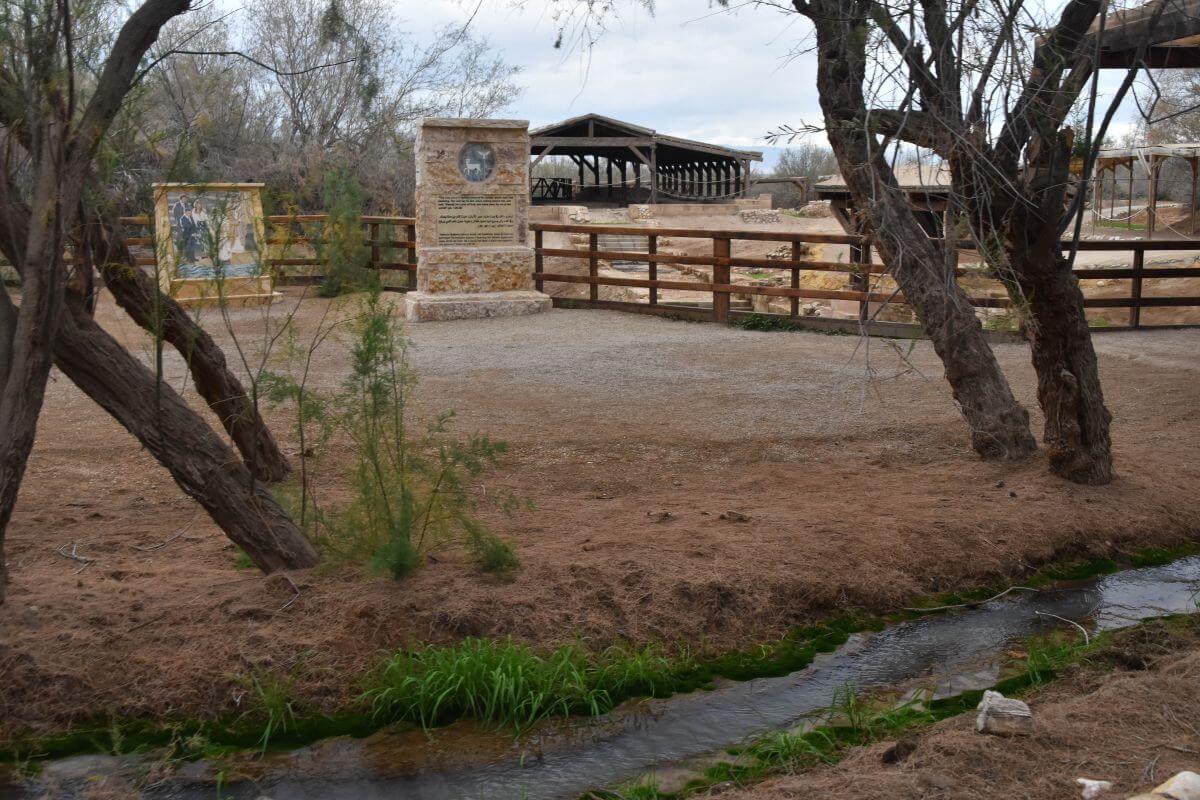
One thing many visitors don’t realise before arriving is that this UNESCO site consists of two separate archaeological areas. They are both connected by the spring-fed Wadi Kharrar.
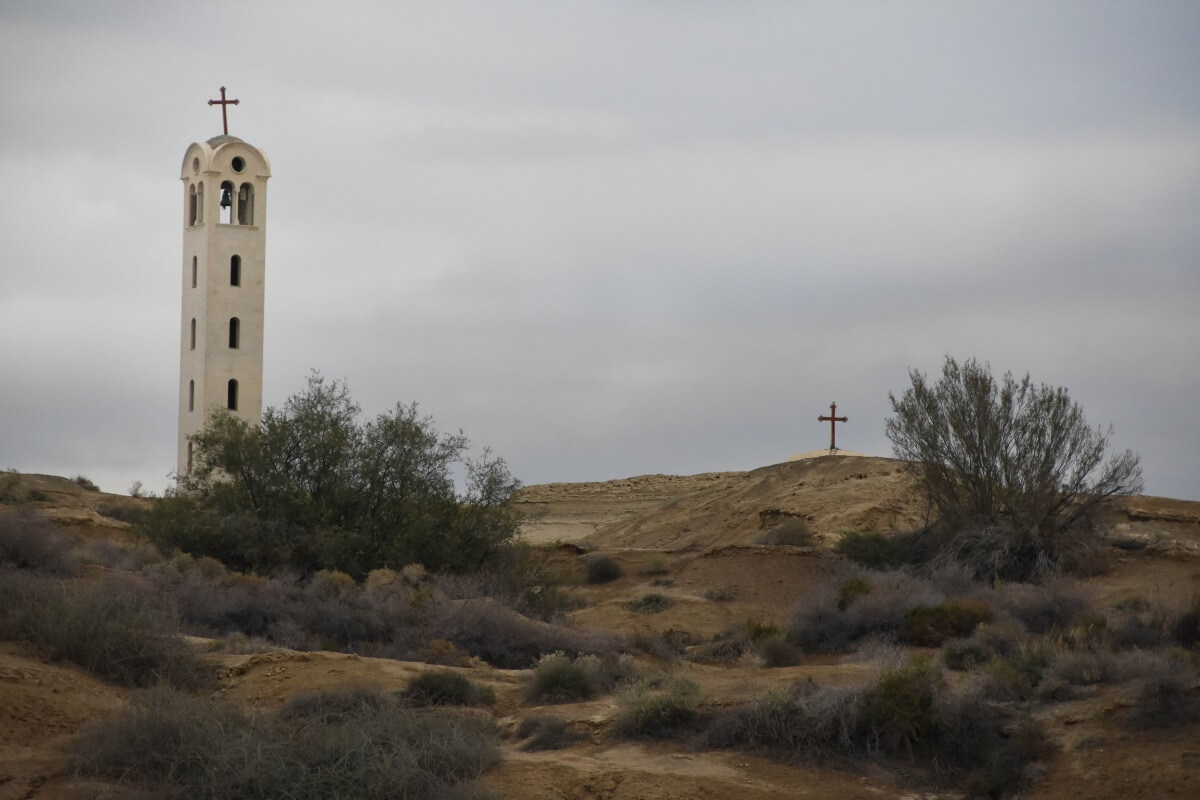
The first is Tell Al-Kharrar, also known as Jabal Mar-Elias or Elijah’s Hill. According to Christian tradition, this is where the Prophet Elijah ascended to heaven in a chariot of fire. Archaeologists have uncovered the remains of Roman and Byzantine monasteries, hermits’ caves and ancient water systems throughout this area. They show that monks lived and worshipped here for centuries.
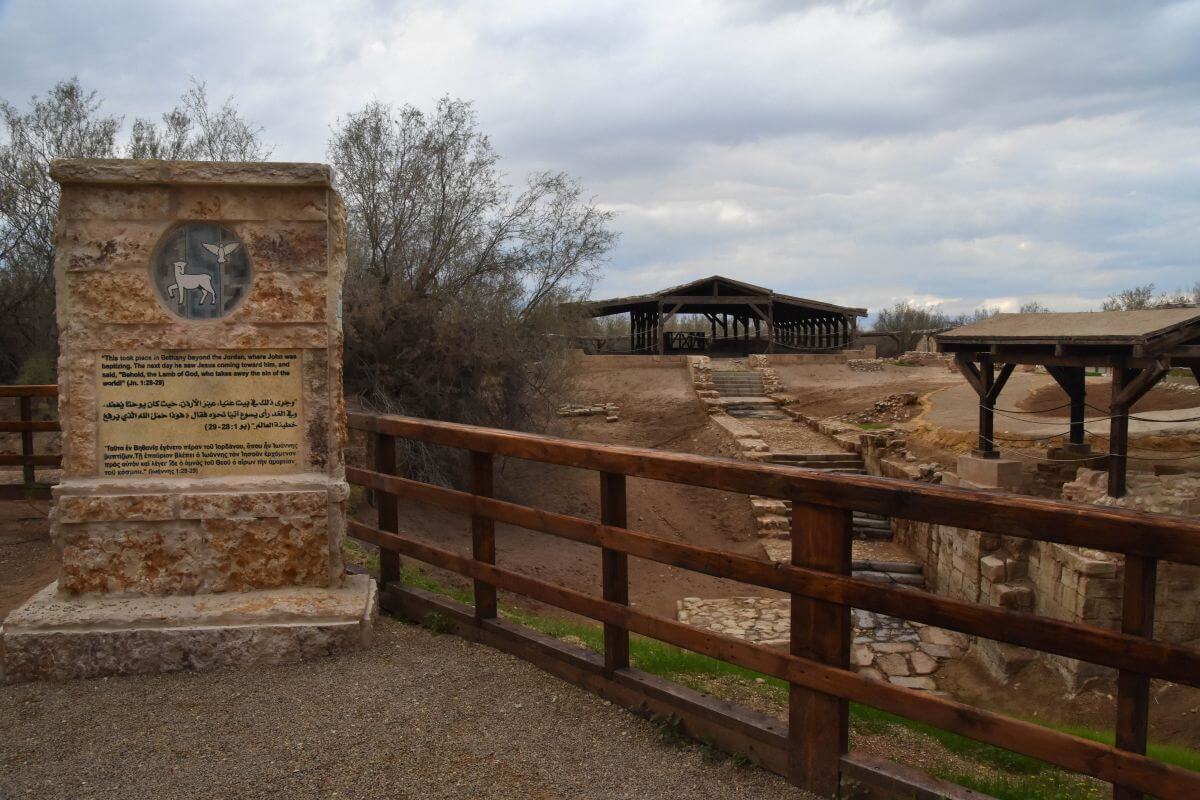
The second area lies beside the modern Jordan River and contains the remains of the Churches of Saint John the Baptist together with the famous baptism site.
Connecting these two zones is Wadi Kharrar, a natural stream flowing from Elijah’s Hill towards the river. Many historians believe John the Baptist probably carried out baptisms in the calmer waters of this stream rather than in the main Jordan River. Compared to today, the river used to be much deeper, faster, and prone to flooding during ancient times. Archaeologists have even uncovered large cross-shaped baptismal pools built beside the stream. This further supports this long-held belief.
5. Standing at the place where Jesus was baptised
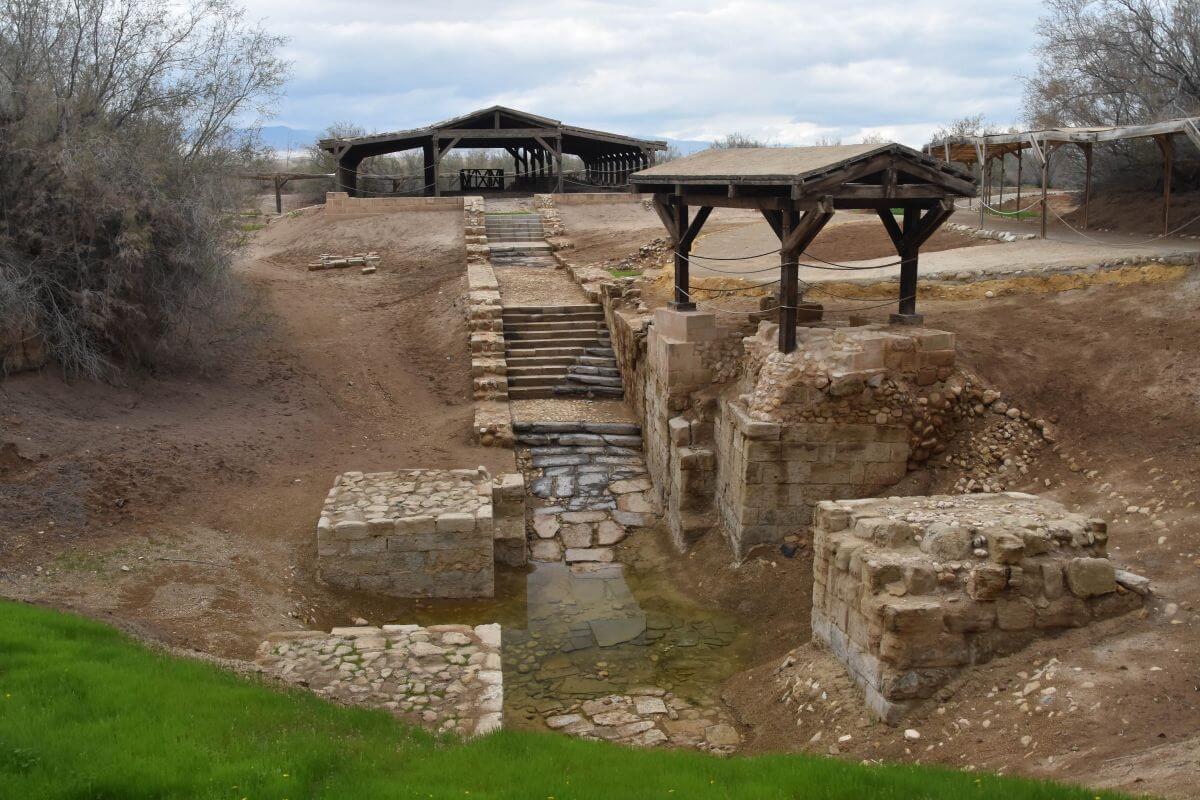
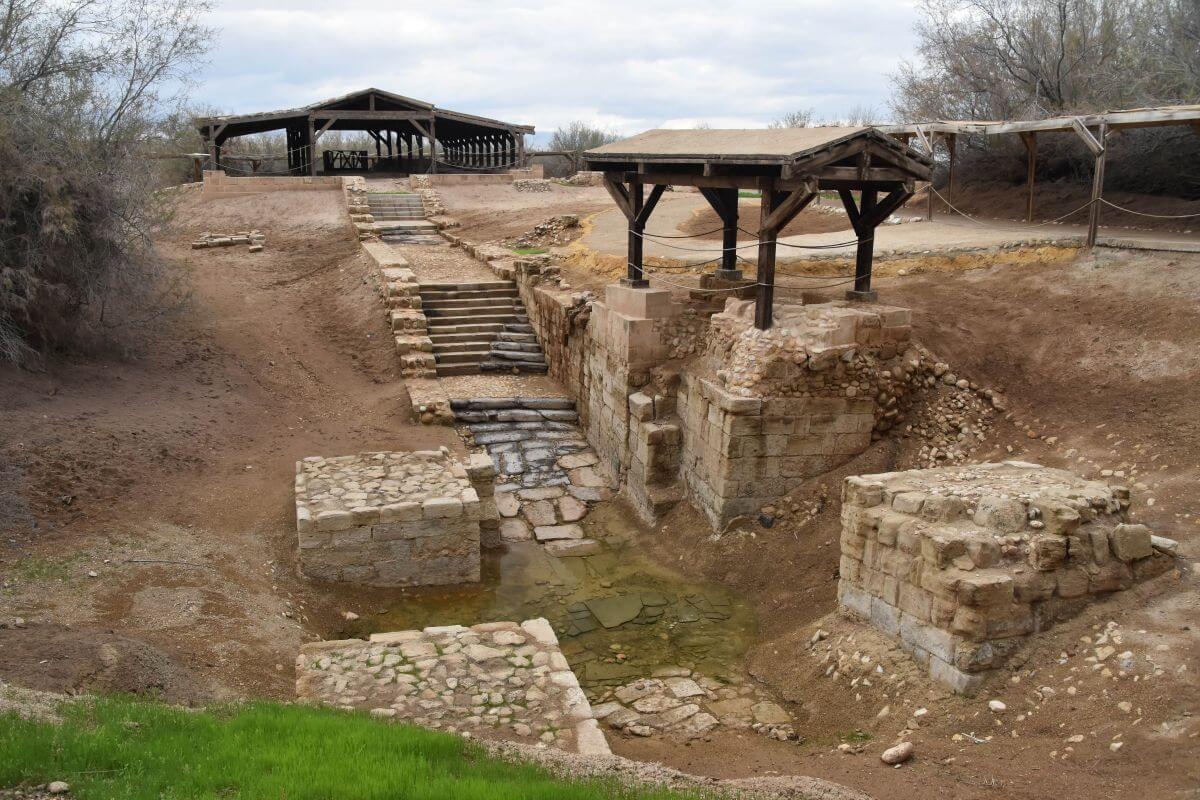
After a 10 to 15-minute peaceful walk, you’ll reach what Christians believe is the actual place where Jesus Christ was baptised. Many first-time visitors (including us) are surprised that the baptism site isn’t located in the modern Jordan River. Instead, you’ll see a small stone pool reached by ancient steps. When we visited, the pool was almost completely dry. Our tour guide explained to us that it fills naturally after periods of heavier rainfall.

According to our guide, this pool originally lay beside the Jordan River before the river gradually changed course over the centuries. Archaeological excavations have revealed the remains of three Byzantine churches built directly above this sacred place. Each replaced an older church as pilgrims continued returning throughout the centuries. Today, only the stone foundations remain, but they clearly show how important this location became for early Christians.
6. Greek Orthodox Church of St John the Baptist
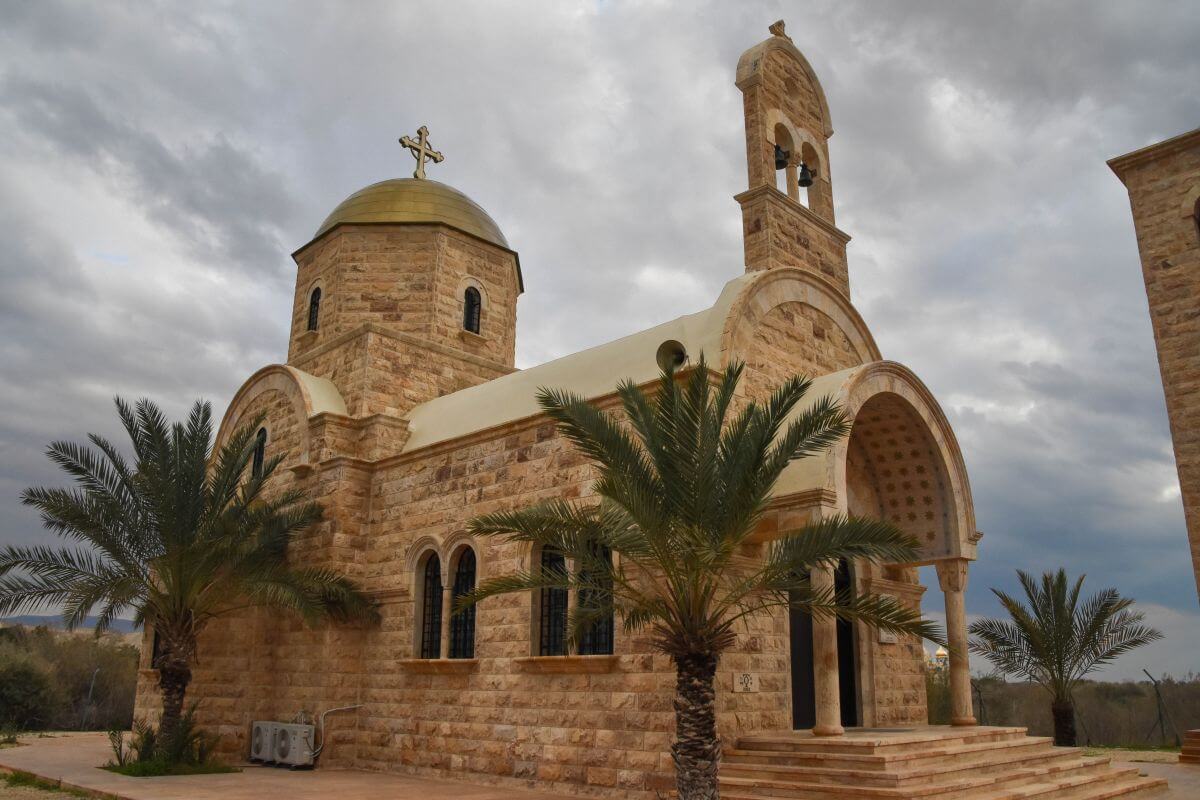
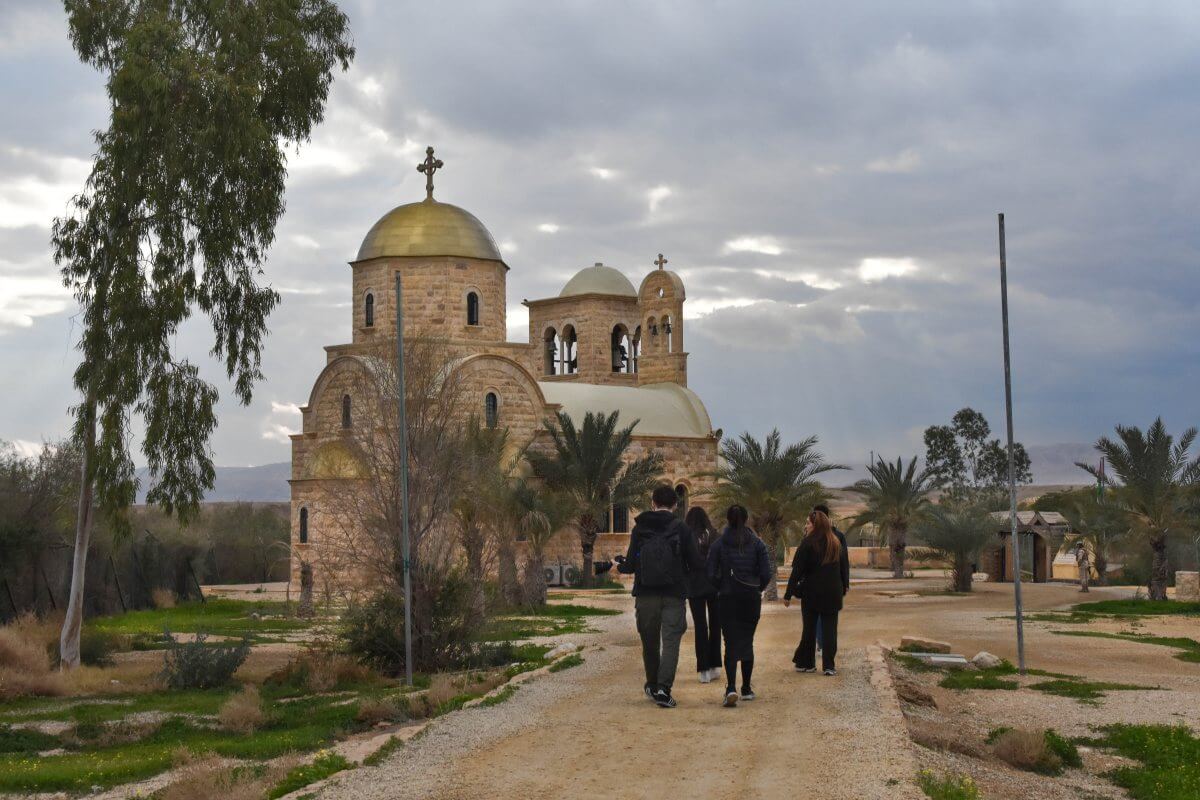
Beside the river stands the beautiful gold-domed Greek Orthodox Church of St John the Baptist. Although relatively small, its striking golden roof and light-coloured stone immediately catches your attention. It’s well worth stepping inside if it’s open. It houses many beautiful murals depicting events from the life of Christ.
7. The River Jordan today
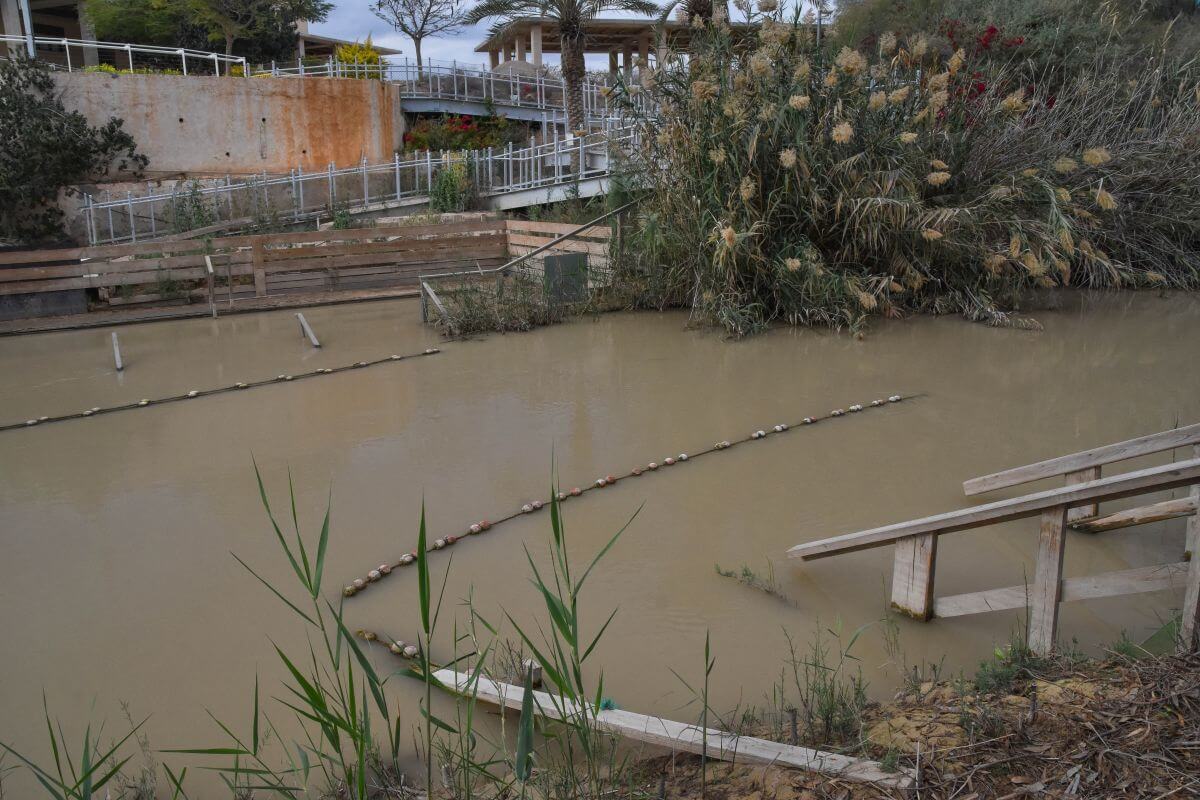
The final stop brings you to the modern banks of the Jordan River. It’s much narrower than many visitors expect, only a few metres wide in places, making it easy to see people standing on the opposite bank at Qasr al-Yahud. Unfortunately, during our visit we didn’t see anyone being baptised, but we could easily imagine it.
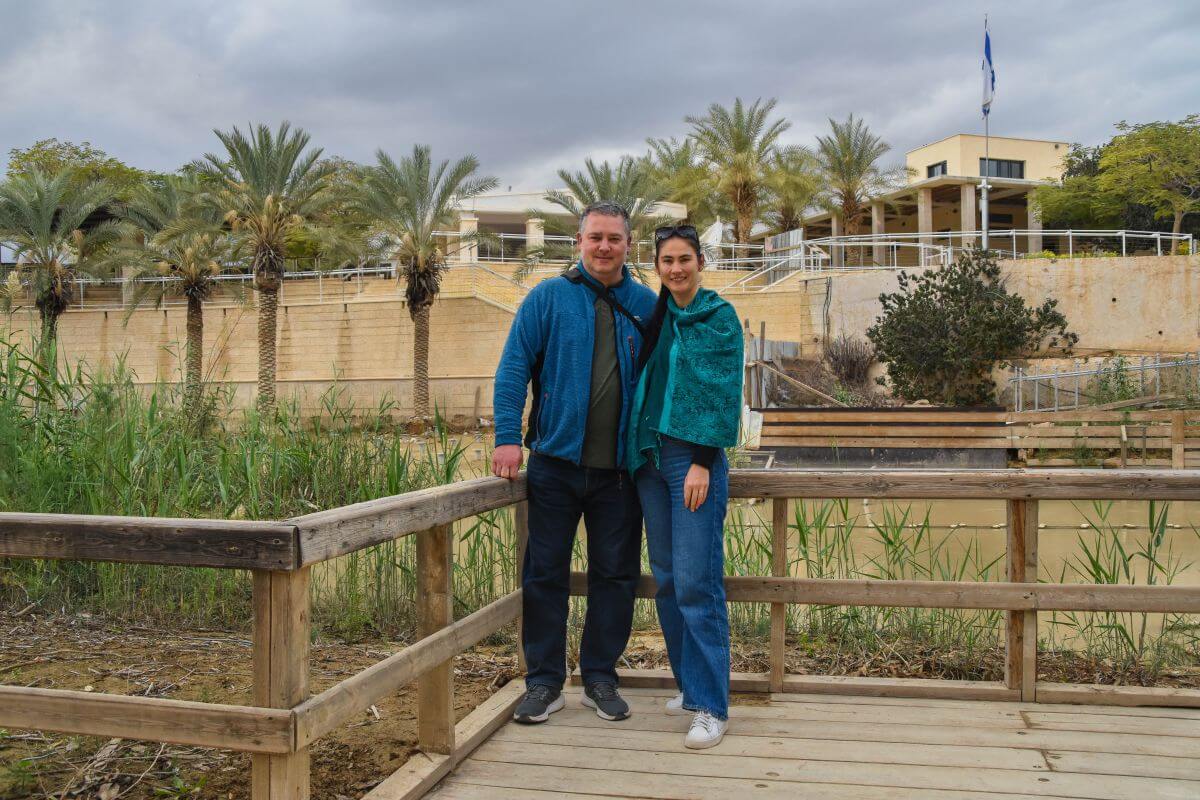
The Modern Riverbanks: The path finished at a wooden platform built on the narrow, modern banks of the river. When we visited in February, the water here was quite muddy, thick, and slow-moving.
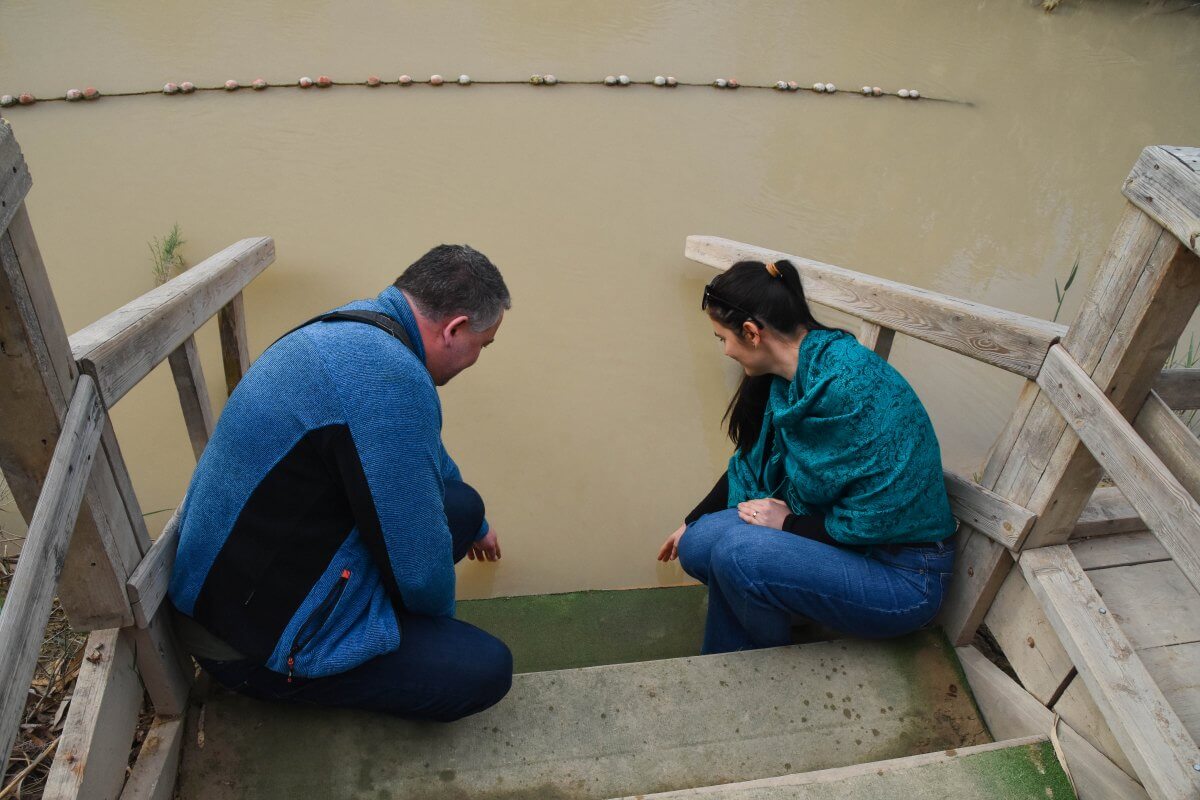
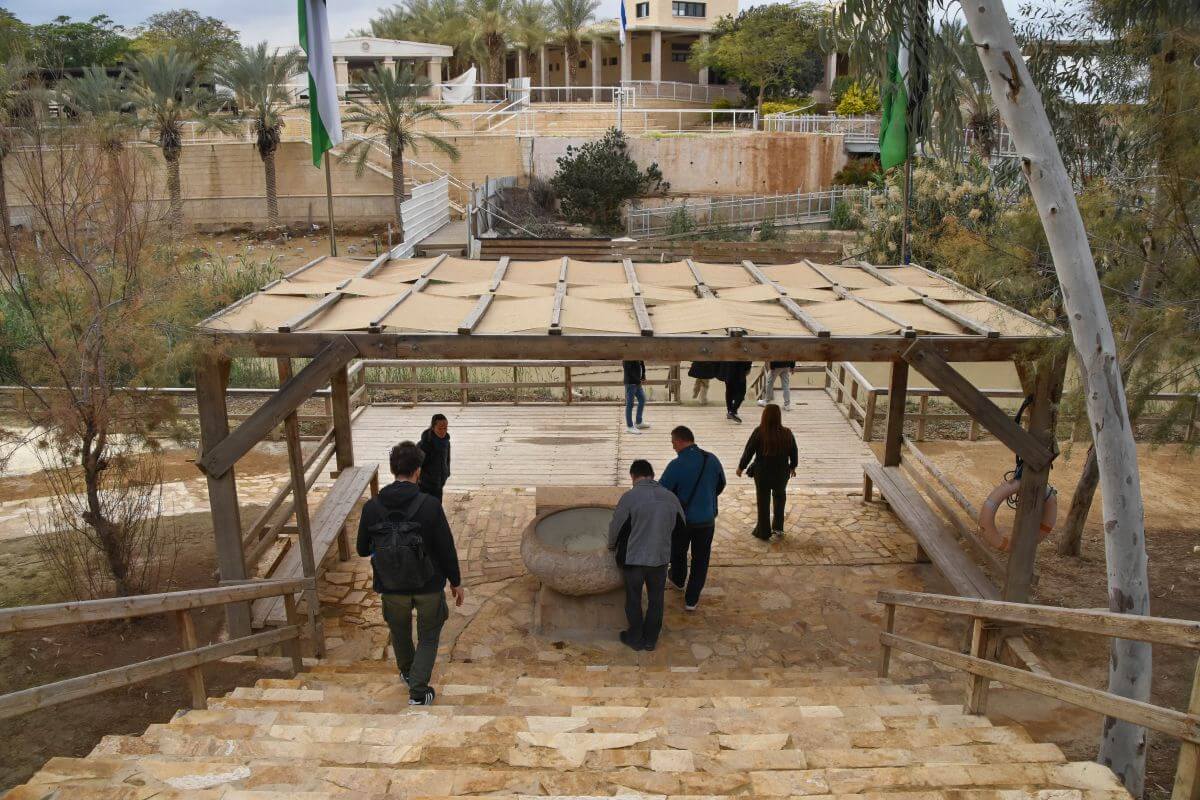
A wooden viewing platform leads directly to the water’s edge, where those wishing to do so can touch the river. You can even take part in a baptism or blessing ceremony, if organised in advance. Even if you aren’t religious, standing directly beside one of Christianity’s most important rivers is a memorable experience.
After spending about 15 minutes beside the river, our group walked back along the same trail to the shuttle bus. What stayed with us most wasn’t a single monument or building. It was the atmosphere. The untouched wilderness, the ancient monastery ruins, a peaceful walking trail and the extraordinary biblical history. All these things combined create a place that feels unlike anywhere else in Jordan. It remains quiet, reflective, and deeply moving, whether you arrive as a pilgrim, a history lover, or simply a curious traveller.
Tips for visiting Bethany Beyond the Jordan
Because Bethany Beyond the Jordan isn’t a normal archaeological site and it sits inside a protected military border zone, a little preparation will make your visit much smoother.
PREPARATION AND TICKETS:

- BOOK THE JORDAN PASS BEFORE YOU TRAVEL. If you’re planning to visit several attractions during your trip, buy the Jordan Pass before arriving in the country. It’s one of the easiest ways to save money.
- ADD IT TO YOUR PASS EARLY. Make sure you add ‘the Bethany Beyond the Jordan’ when buying the pass. Buying it at the gate costs significantly more.
- ADMISSION FEE. As of August 2026, the standard admission fee is 12 Jordanian Dinars (£12.64) per person. However, if you purchase a Jordan Pass before travelling and add the Baptism Site when buying your pass, the entry fee drops to just 8 JOD (£8.43). This includes your entrance ticket, mandatory guided tour and the shuttle bus between the Visitor Centre and the archaeological site.
- If you haven’t bought the Jordan Pass, don’t worry. You can purchase tickets at the Visitor Centre on arrival. They also accept credit cards, but we still recommend carrying some cash in case the card machine isn’t working.
TICKETS AND TIMES:
- OPENING TIMES. Although the site is generally open daily from 8 AM until 4 PM, your visit depends on the departure of the guided tours rather than simply the opening hours.
- The final shuttle bus normally leaves the Visitor Centre at around 3 PM in winter and 4 PM during the summer season. If you arrive after the final departure, you won’t be allowed to enter, even if the Visitor Centre is still open.
- If you’re visiting during winter, always double-check the latest opening hours before travelling. Hours can occasionally change during public holidays and religious celebrations.
- Allow around 2 hours to complete the full experience comfortably, including the shuttle bus, guided walk, time beside the river, and the return journey.
OBLIGATORY TOURS AND CONTROL:
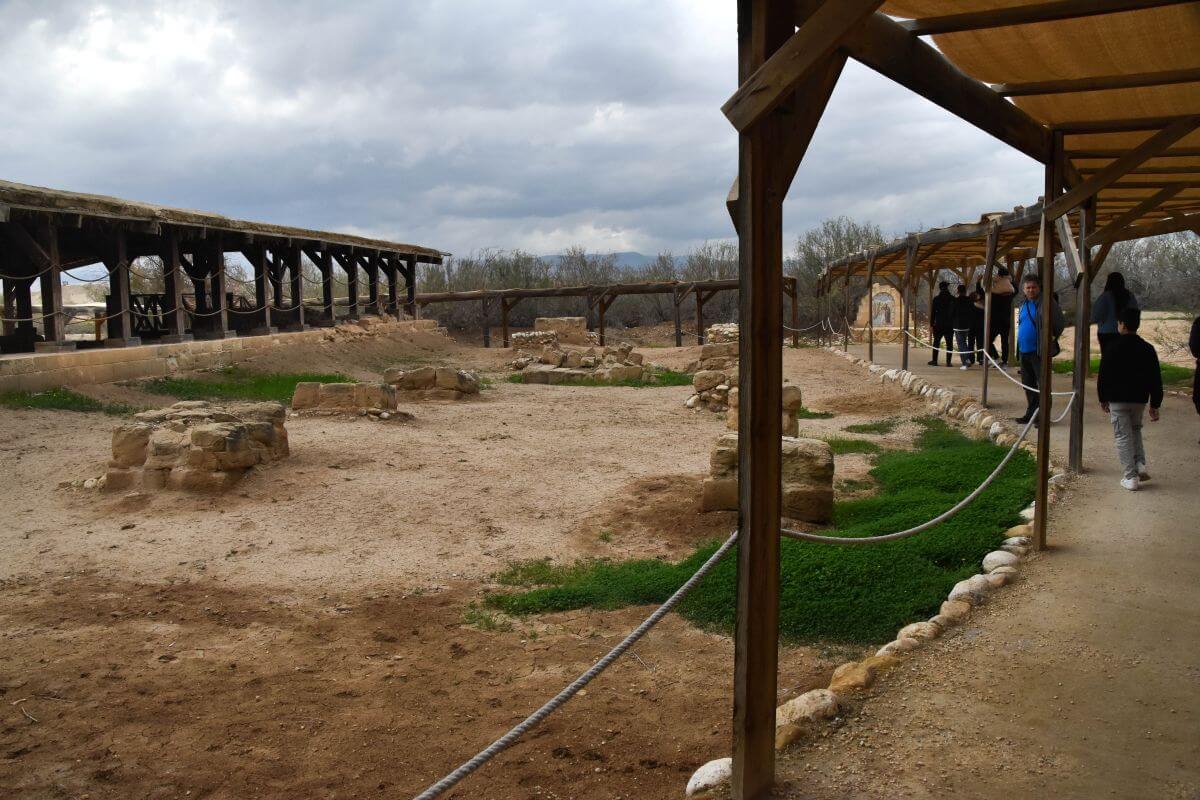
- PREPARE FOR A GUIDED TOUR. Independent sightseeing isn’t possible here. Everyone must join an official guided tour included in the entrance fee. This isn’t simply for convenience but because the site remains inside a controlled border zone.
- BRING YOUR PASSPORT. Because the archaeological site lies directly beside the border with the Israeli-occupied West Bank, security is taken extremely seriously. A military checkpoint may ask to see your physical passport, not simply a photograph stored on your phone. Without your passport, you may not be allowed to continue your visit.
- During parts of the visit, your group may also be accompanied by armed security personnel while walking towards the river. Although this might sound unusual, the entire experience felt safe, organised, and very relaxed.
- ONE RULE. One important rule is staying with your guide at all times. Wandering from the group or leaving the marked paths isn’t permitted.
GOOD TO KNOW:
- BE CAREFUL WHERE YOU POINT YOUR CAMERA. You’ll be able to photograph the churches, archaeological ruins, the Jordan River and the surrounding landscape without any problems. However, remember you’re visiting an active border area. Never point your camera towards military watchtowers, border fences, or armed security personnel, which you will see and hear nearby. Security officers may ask you to delete those photos immediately.
- When in doubt, ask your guide before taking a picture.
WEATHER AND DRESS CODE:
- THE HEAT IS STRONGER THAN YOU EXPECT. Even if you’re visiting during winter, don’t underestimate the climate. The site sits around 350 m below sea level, close to the Dead Sea. Temperatures are often warmer here, the air feels heavy, and humidity can be surprisingly high.
- MORNING VS LATE. If possible, choose one of the first morning tours if visiting during the warmer months. The temperatures are far more comfortable than during the middle of the day, especially between late spring and early autumn.
- LITTLE SHADE. Very little shade exists along the walking trail, so bring plenty of water, high-factor sunscreen, a hat, and sunglasses.
- DRESS FOR RESPECT AND COMFORT. As this remains an active Christian pilgrimage site, it’s respectful to keep your shoulders and knees covered. Loose, lightweight clothing works perfectly because the valley can feel much hotter than elsewhere in the country.
- COMFORTABLE SHOES. Wear comfortable shoes with good grip. You’ll walk along gravel paths, compacted dirt tracks and wooden boardwalks.
- USE THE TOILETS BEFORE BOARDING THE BUS. There are no public toilets along the archaeological trail.
BAPTISM:
- BAPTISM: Bring a conservative white baptismal robe if you plan to enter the river for baptism. If you don’t bring one, they’re usually available to buy at the site. Don’t forget to pack a complete change of clothes as changing facilities are available near the river.
OTHER THINGS TO KNOW BEFORE YOU GO:
- BRING A LITTLE CASH. It’s common to leave a small tip for your guide and shuttle driver if you enjoyed the tour. You can also purchase drinks or small souvenirs.
- RELIGIOUS SOUVENIRS INSIDE THE SITE. If you’re planning to buy religious souvenirs, consider waiting until you reach the churches rather than shopping at the Visitor Centre. During our visit, we noticed prices at a small shop inside the archaeological area were more reasonable than some items at the main entrance.
- COMBINE YOUR VISIT WITH THE DEAD SEA. The Bethany Beyond the Jordan is only about 10 to 15 minutes by car from the main Dead Sea hotels, making it easy to combine both attractions in a single day. That’s exactly what we did, visiting the Dead Sea first before joining the final afternoon tour at the Baptism site. The timing worked perfectly, and the quieter late-afternoon atmosphere made the experience feel even more peaceful.
Is Baptism Site Bethany Beyond the Jordan Worth Visiting? If so, why?
Without hesitation, we believe Bethany Beyond the Jordan deserves a place on your Jordan itinerary. While many visitors come because of its connection with the baptism of Jesus Christ, you don’t need to be religious to appreciate it. As a UNESCO World Heritage site, it offers fascinating archaeology and beautiful desert scenery. It also has a calm atmosphere that’s difficult to find elsewhere.
Anyone looking for an authentic experience will discover much more than a simple stop beside the river.
OUR HONEST EXPERIENCE: WHAT WE LOVED AND WHAT DISAPPOINTED US
We genuinely loved visiting the Baptism Site in Jordan, but we also think it’s important to set realistic expectations. Although the complex includes places such as Elijah’s Hill, the Rhotorios Monastery, the presumed Cave of John, and other places, our standard tour didn’t visit them. The beautiful Greek Orthodox Church of St John the Baptist also closed during our late afternoon visit, so we missed its famous murals. If you visit and manage to see these places, we’d love to hear about your experience in the comments.
Who Should Visit?
If you’re staying near the Dead Sea, it’s an easy and worthwhile trip. We wouldn’t recommend travelling from Amman just for this site unless you have a strong interest in Christianity or history. Instead, combine it with the Dead Sea, Madaba, Mount Nebo, or Ma’in Hot Springs for a rewarding day out.
Now you have a complete guide to planning your visit to Bethany Beyond the Jordan!
Thank you for staying with us until the end! If you’ve enjoyed this article about Bethany Beyond the Jordan, please consider sharing this post to extend its reach.
Pin this guide to the Baptism Site in Jordan for later so you don’t lose it!
YOU MAY ALSO ENJOY: