What is the El Jem Amphitheatre in Tunisia famous for?
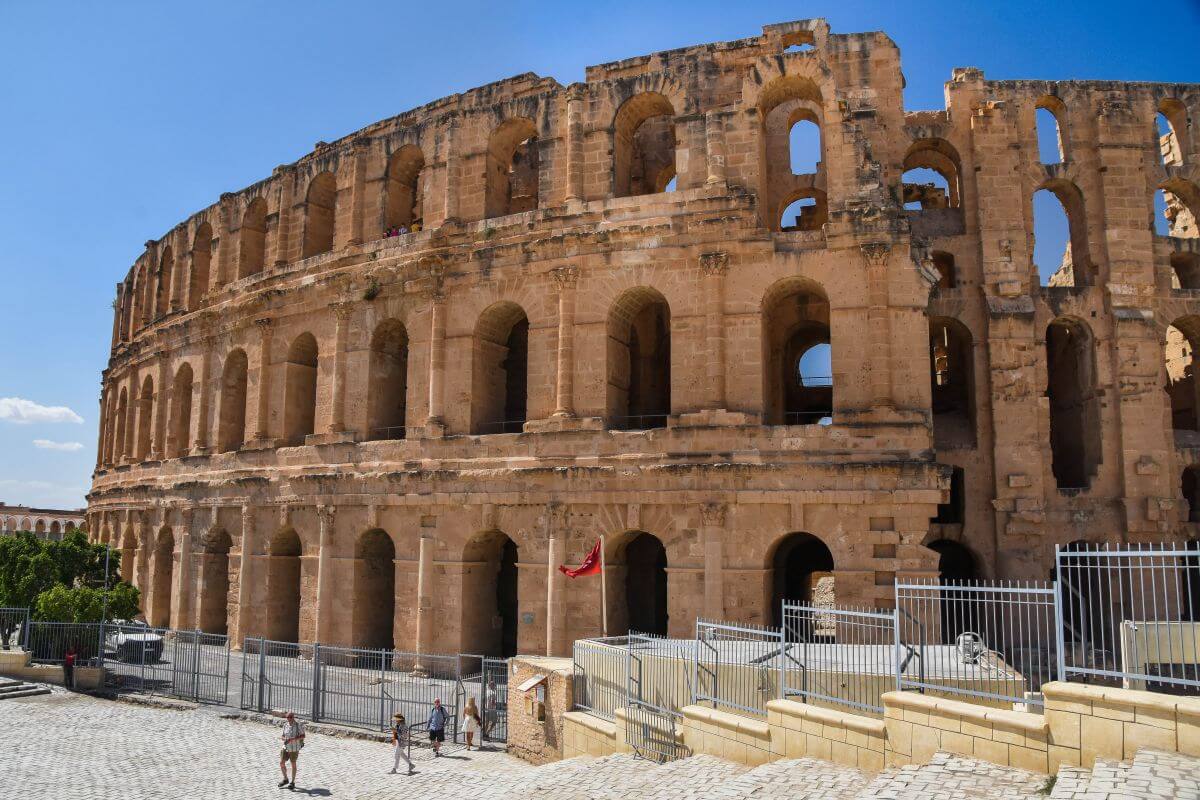
You might not expect to find one of the world’s greatest Roman arenas in Africa, yet that is exactly what makes it unforgettable.
The El Jem amphitheatre in Tunisia is famous for its size, preservation, and strong connection to the wider Roman world. The amphitheatre could hold up to 35,000 people, making it one of the largest in the world. It became a UNESCO World Heritage site in 1979 for its exceptional condition and for being the largest Roman monument in North Africa.
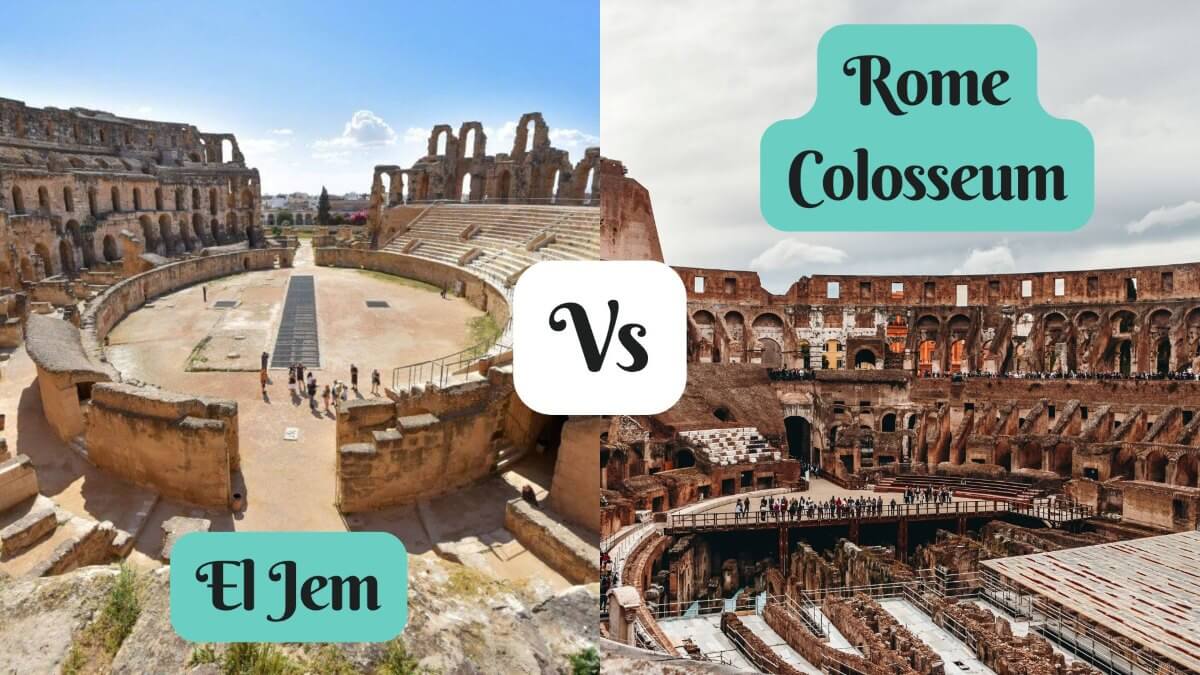
As the largest Roman amphitheatre in North Africa, it often draws comparison with Rome’s Colosseum. However, El Jem in Tunisia is less crowded and less commercialised. It also offers a much better personal experience.
Why was this massive colosseum built in Tunisia?
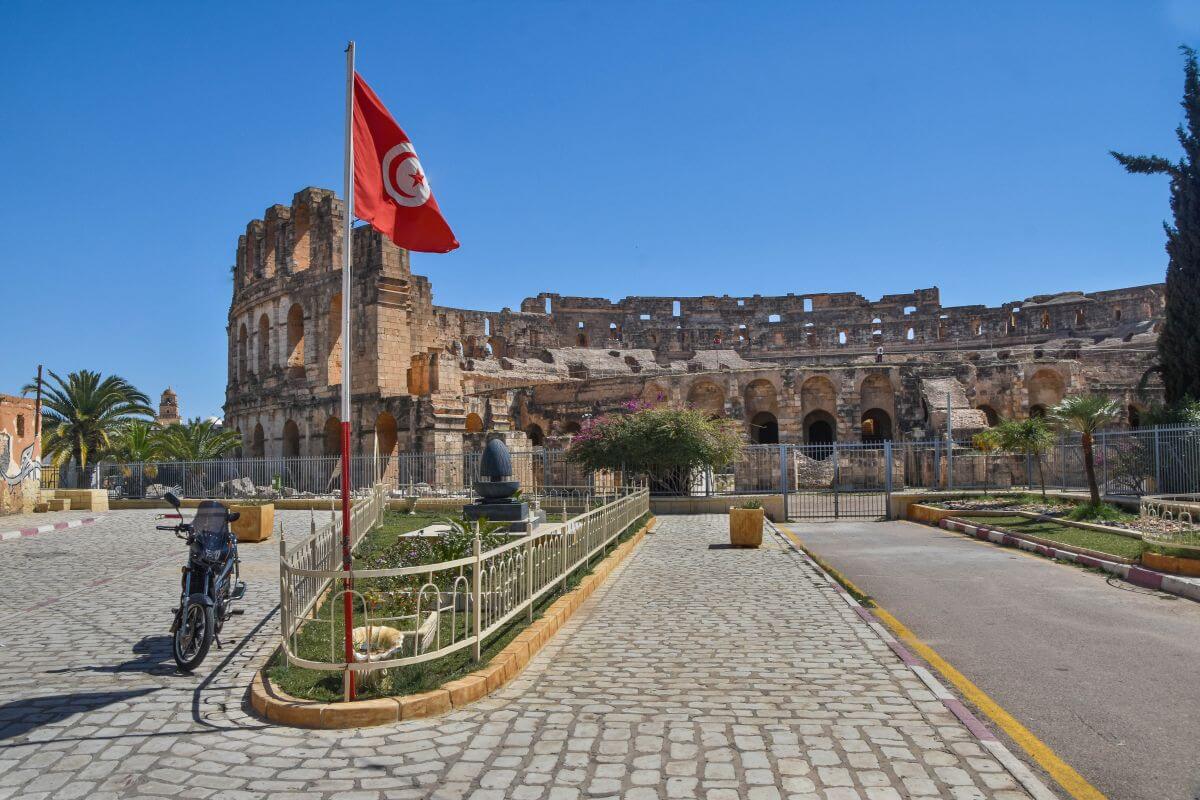
It might seem strange to find such a huge Roman arena far from Italy, but the story behind it makes perfect sense once you look closer. The El Jem amphitheatre in Tunisia exists today because an ancient city wanted to show the world just how powerful it had become.
That city was Thysdrus, which began as a Carthaginian town and later a thriving Roman city. Historical records confirm that under the Romans, Thysdrus became a key olive producer in Africa and Byzacena. By the 2nd and 3rd centuries AD, a booming oil trade made the city incredibly rich. As the city prospered, its elite invested in luxury homes, fine mosaics, and large public buildings to show their success. The city even rivalled Hadrumetum (today’s Sousse) and stood just behind Carthage (present-day Tunis) in importance. At its peak, local leaders funded a massive colosseum. It was not only for entertainment but to display status, influence, and prestige.
Short History of the El Jem Amphitheatre
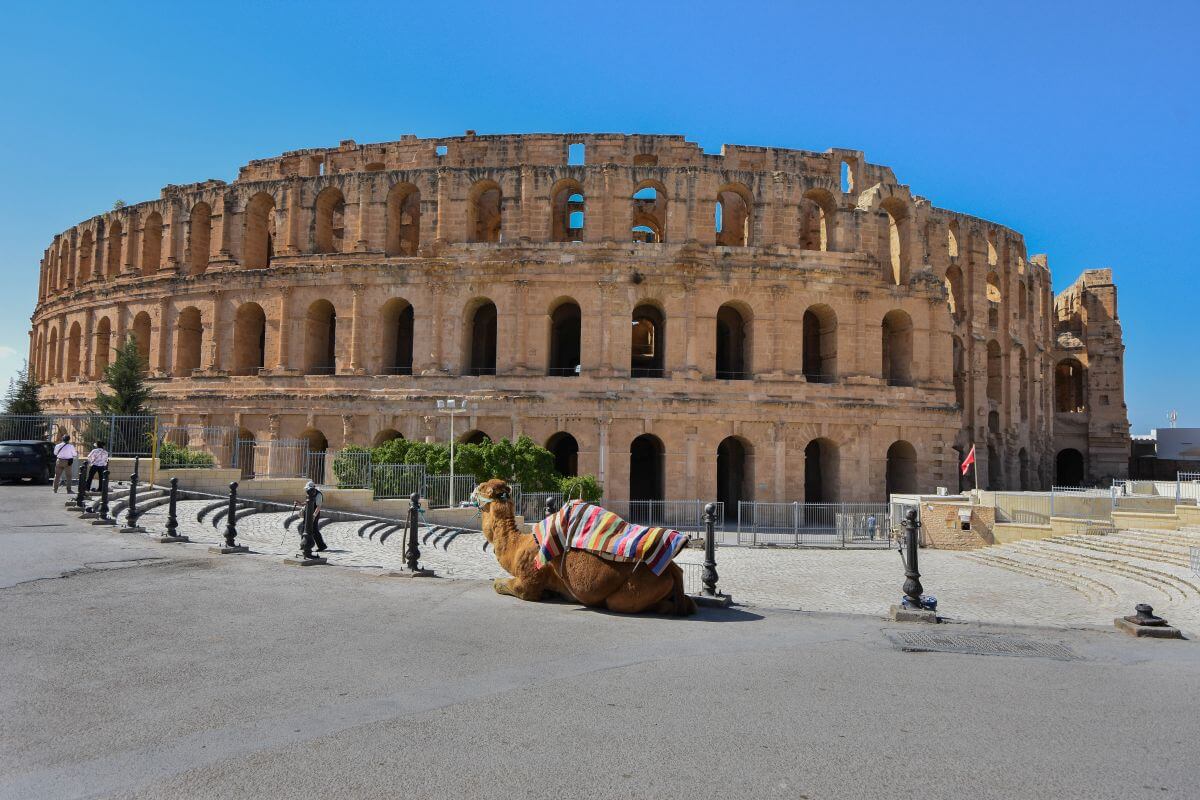
The El Jem amphitheatre in Tunisia dates back to one of the most unstable periods in Roman history.
Archaeological evidence confirms that two earlier amphitheatres stood on the same site. What you see today is the third and most ambitious version, built to outshine everything that came before. Historical records confirm that construction began around 238 AD during the ‘Year of the Six Emperors’, when six rulers claimed power across the empire. One of them, Emperor Gordian I, rose to power right here in the Roman city of Thysdrus. He likely ordered the project as a display of authority, wealth, and to secure support in North Africa. His son, Gordian II, ruled only for 22 days, making it highly unlikely he had any real role in construction. Instead, many historians believe that Gordian III, his grandson, continued and supported the project to honour his family’s connection to the city. However, political unrest and the fall of the Gordian family left parts of it unfinished. Despite this, the structure was fully functional and used extensively for gladiator fights and wild animal shows.
SURVIVAL
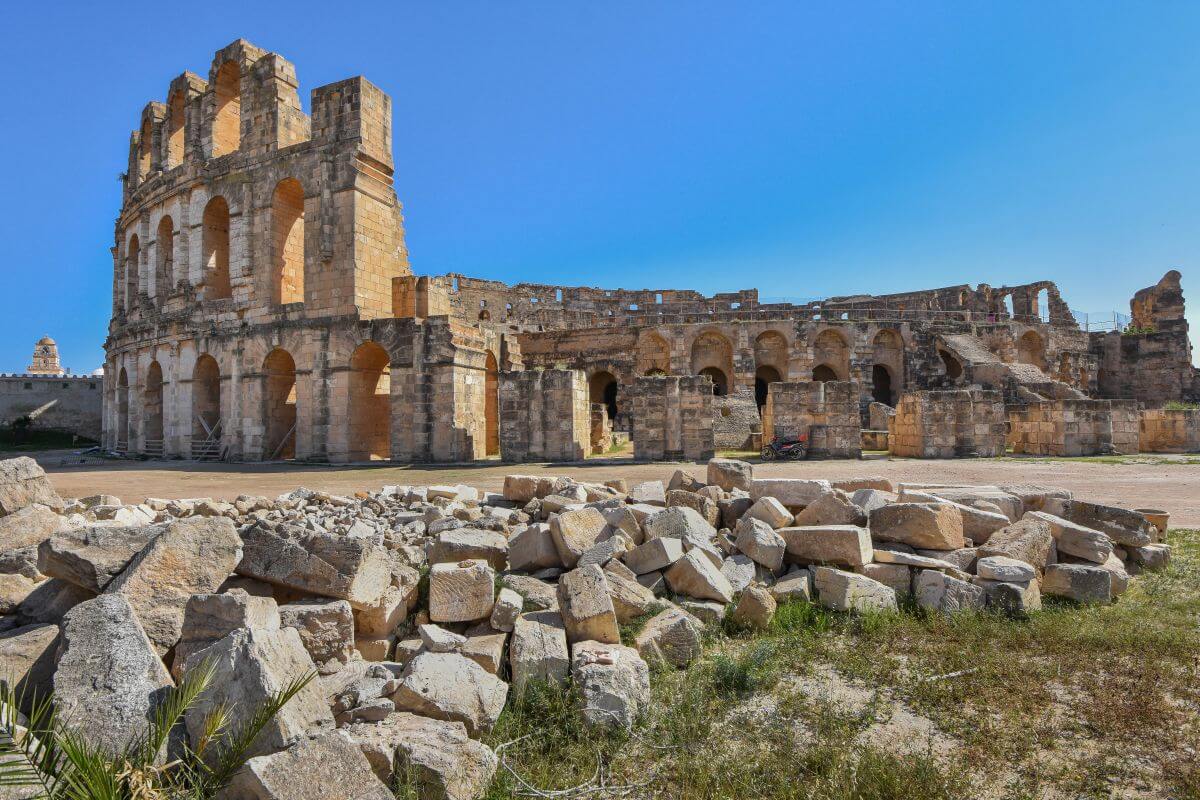
In later centuries, local Berber groups used it as a fortress during resistance against Arab conquest and later by local tribes against Ottomans in the Middle Ages. This unexpected role helped protect it from destruction, allowing much of the structure to survive. The damage is largely due to its use as a citadel, culminating in 1695 when Ottoman troops exploded one wall to stop rebels occupying it. In the 19th century, the breach in the wall was enlarged by approximately 30 m (98 ft). The structure was later used for shops, dwellings, and even grain storage.
Architecture and Design of the El Jem Amphitheatre in Tunisia
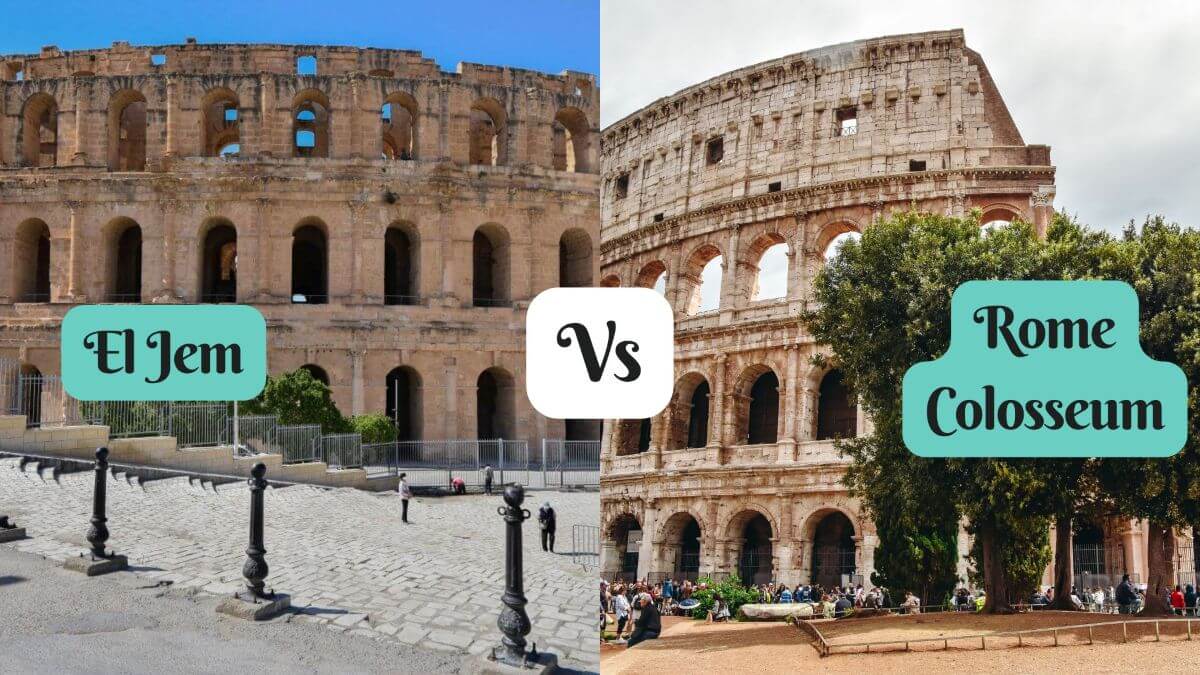
El Jem vs Colosseum in Rome
SIZE
According to UNESCO, El Jem in Tunisia stands as one of the most accomplished examples of Roman amphitheatre architecture, almost equal to the Colosseum in Rome. Measuring 148 m by 122 m, it’s the largest amphitheatre in North Africa and widely accepted as the third largest in the Roman Empire, just behind Rome and Capua. Standing in the centre, you get a clear sense of how this space once held vast crowds.
A RARE MONUMENT OF ITS KIND, UNIQUE TO AFRICA
The UNESCO website notes that this amphitheatre was constructed entirely from carefully cut stone blocks without mortar and deep foundations. The free-standing design relies on weight, balance, and expert craftsmen’s skills, making it one of the most advanced examples of Roman engineering. This makes it a true free-standing structure, which also adds to its uniqueness. Unlike Rome’s Colosseum, which sits partly against the hill, the El Jem amphitheatre rises from completely flat ground. This required even greater skill, as the structure had to support itself.
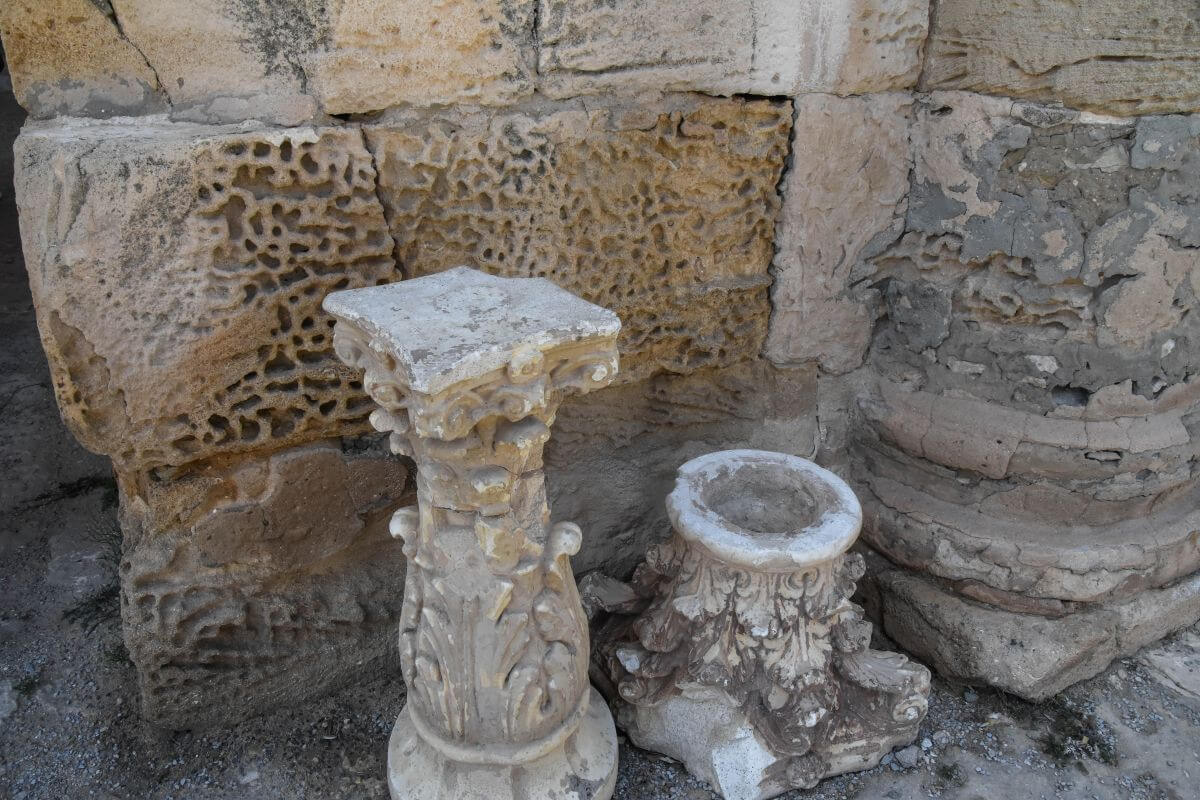
The materials themselves tell another fascinating story. The stone used in El Jem’s construction came from quarries around 30 km away near modern-day Salakta. During our visit, our tour guide, Imed, pointed out clear signs of fossilised shells within the stone. It’s evidence that these materials formed under the sea millions of years ago. You can still spot these details today. This adds an unexpected layer to the experience and connects natural history with human achievement.
What also truly sets the El Jem amphitheatre apart is its level of preservation. While Rome’s Colosseum has suffered heavy damage over centuries, El Jem remains one of the best-preserved Roman stone monuments in the world.
CONSTRUCTION
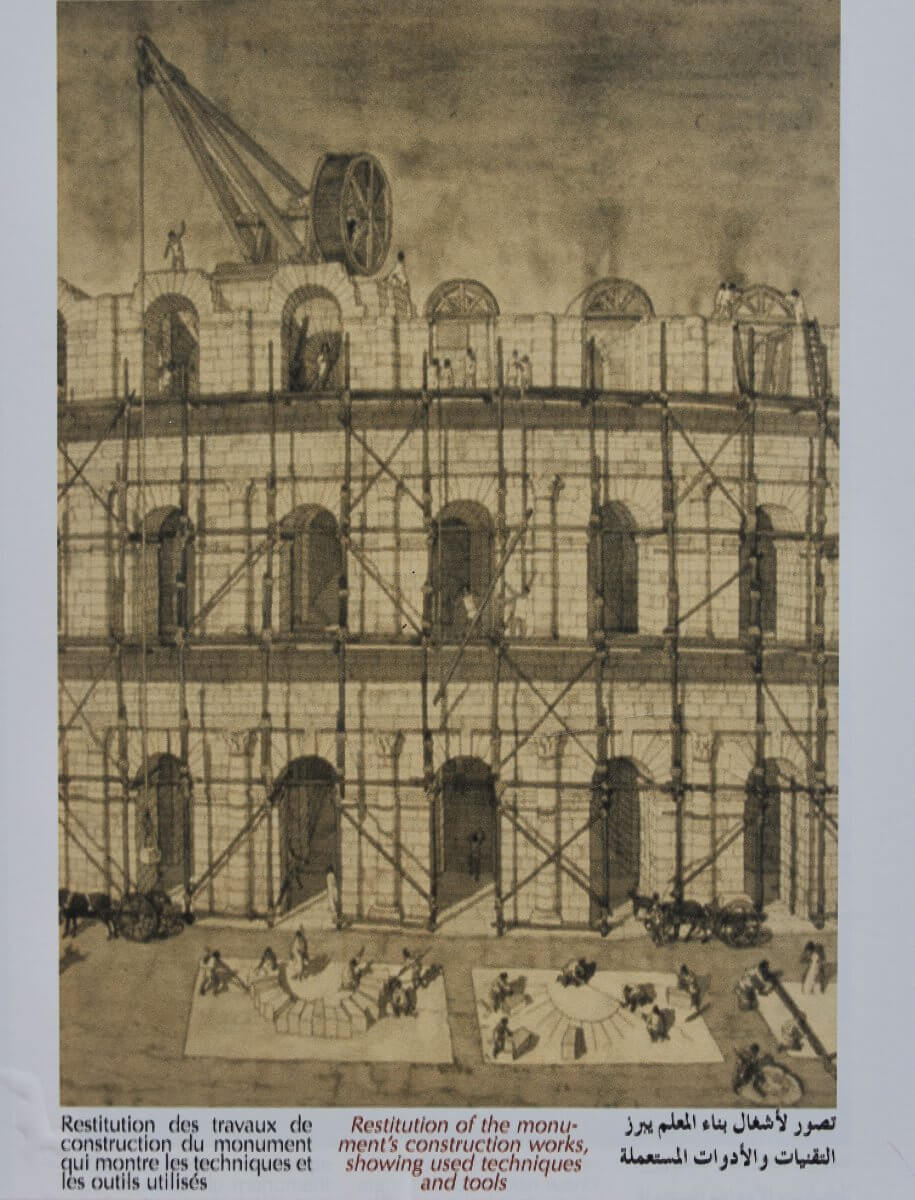
What makes it even more impressive is how it was built. Unlike Rome’s Colosseum, which used brick-faced concrete and a deep foundation to speed up construction, El Jem amphitheatre uses only stone blocks carefully fitted together. Massive blocks, cut and placed with precision, hold the structure together. It also created something stronger over the long term.
According to Wikipedia, the 1st-century Colosseum was constructed using travertine limestone, tuff, and concrete and held together with iron clamps. The younger, 3rd-century El Jem allowed builders to improve on techniques. Instead, the builders used solid stone blocks for the entire structure and depended on weight and balance. This method allowed for better longevity in its design and construction, allowing this free-standing monument to survive remarkably well.
Inside the El Jem Amphitheatre
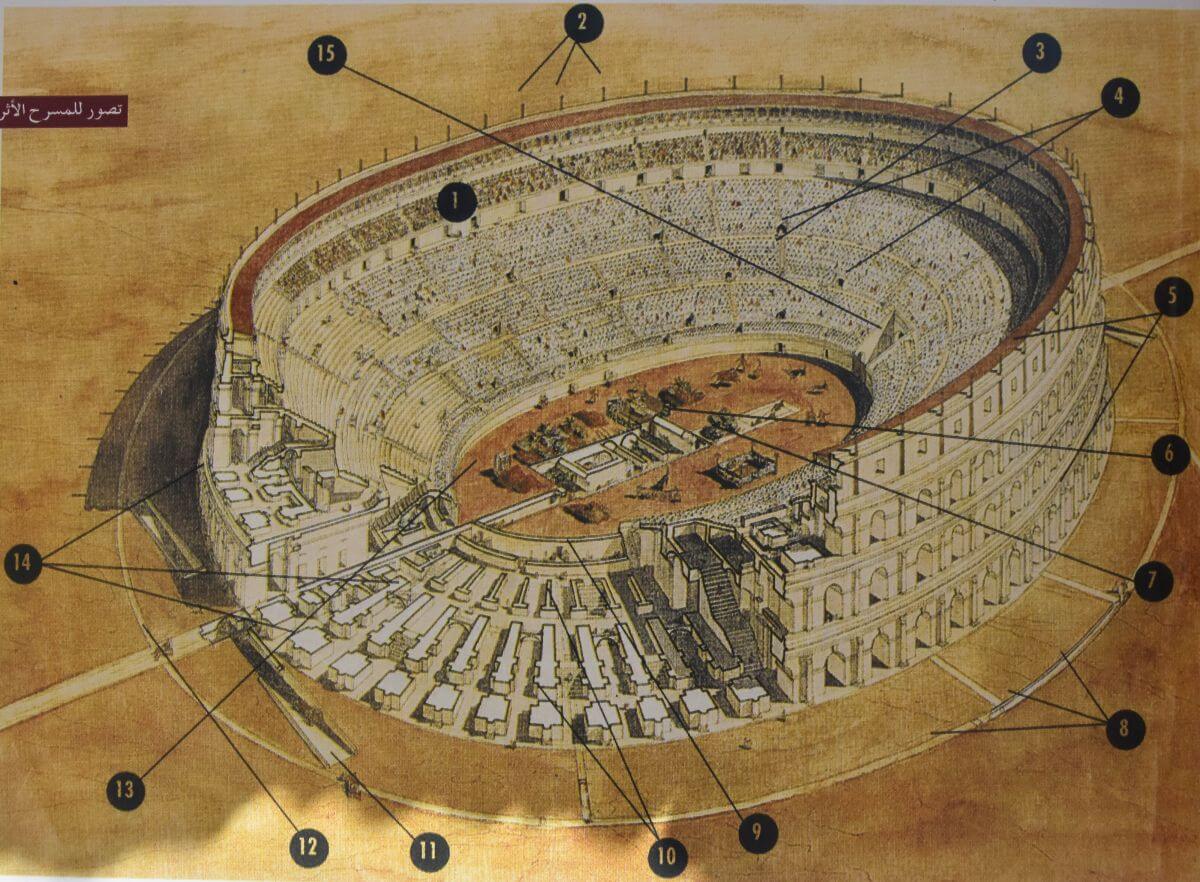
1. Arcades and Galleries
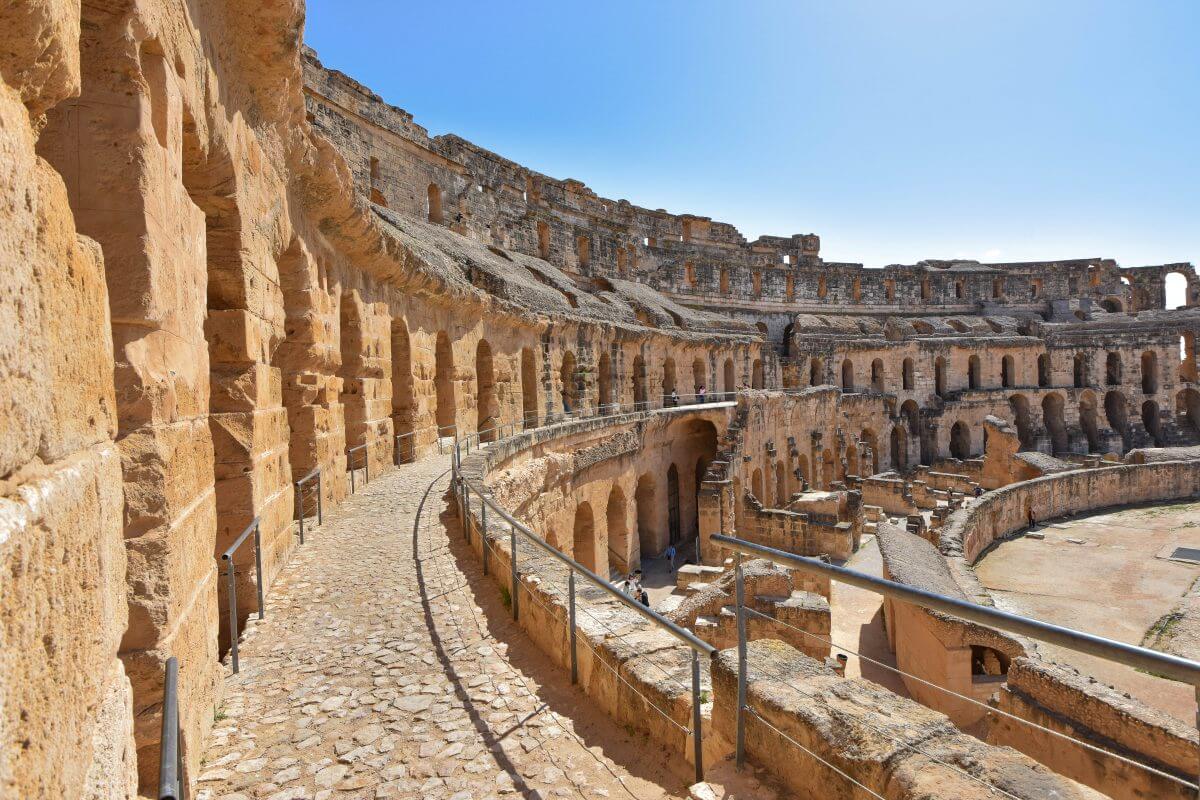
Look up again, and the height becomes just as striking. The El Jem amphitheatre in Tunisia rises to around 35-36 m, slightly lower than the Colosseum’s 48-50 m. Because it stands on flat ground, the full height of the monument is visible from every angle. This creates a massive visual impact that feels similar in scale to the Colosseum.
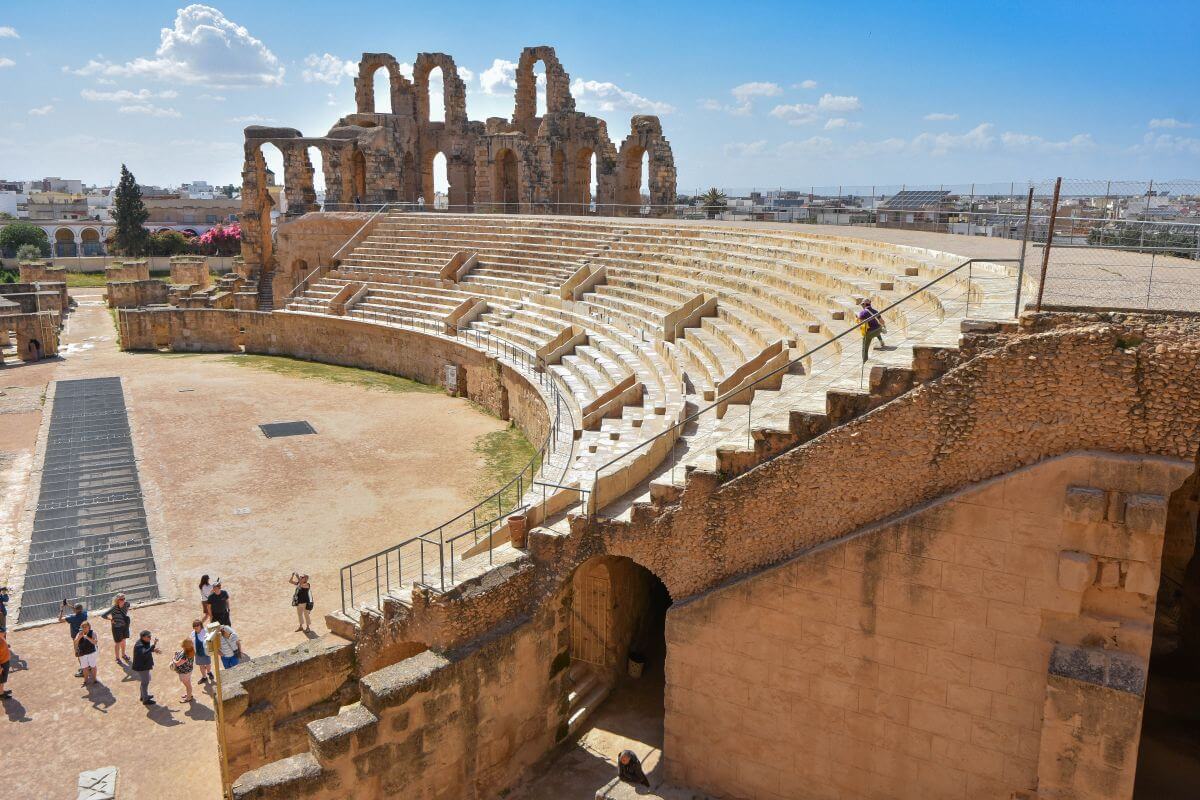
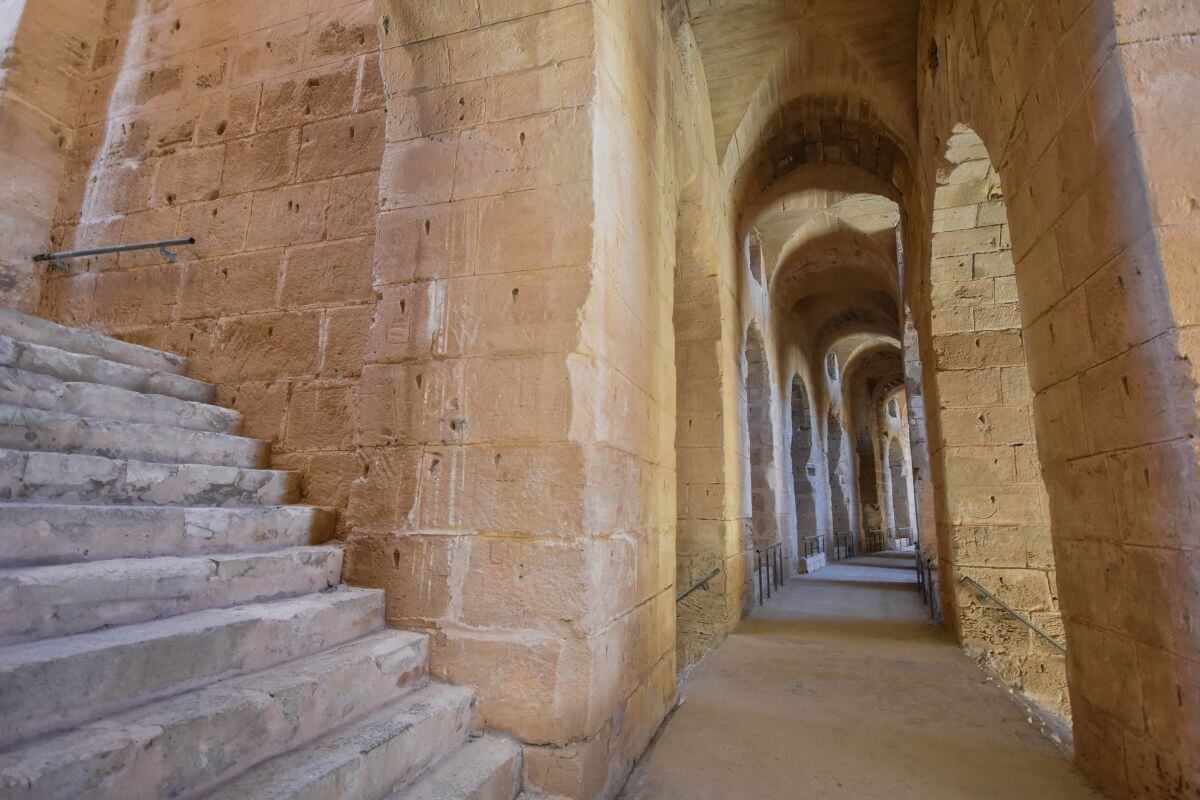
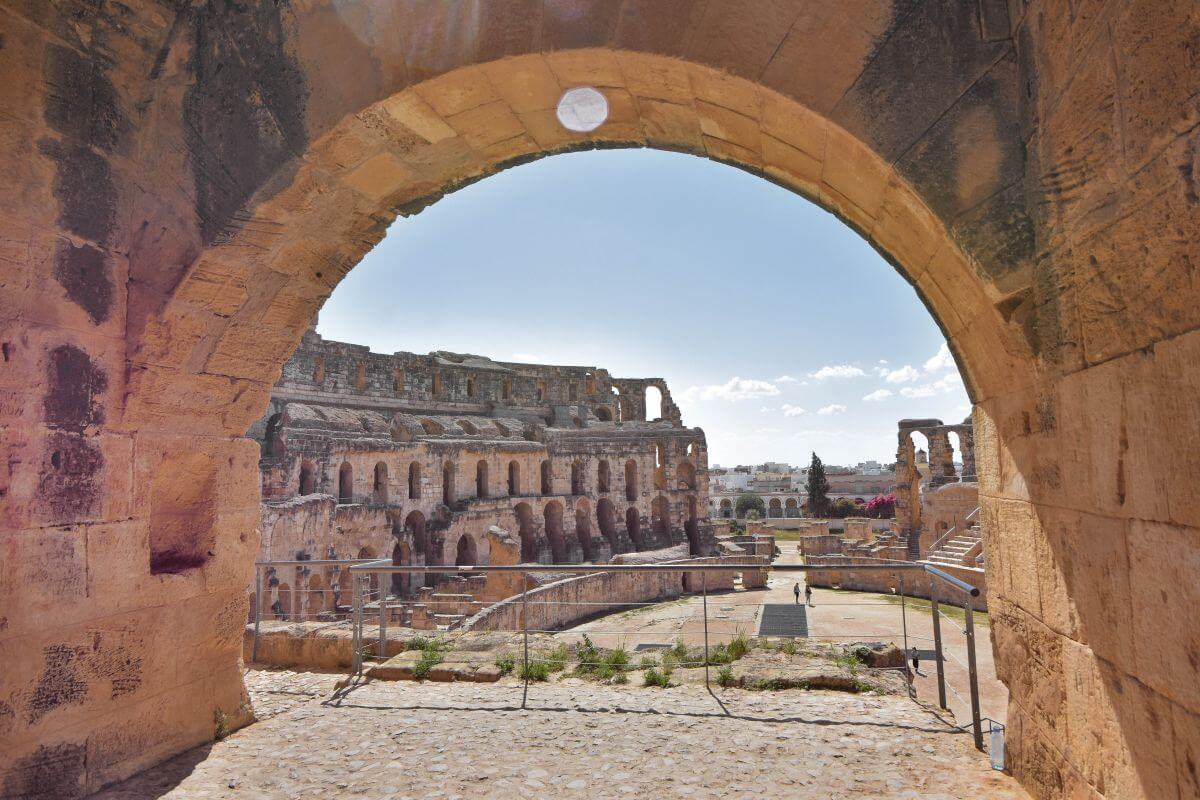
The three levels of arcades, built in Corinthian and composite styles, create a repeating rhythm that guides your eye upwards. Originally, each level had rows of arches, and today over 60 still survive, according to an information panel on the site. These arches were not just decorative; they gave the building its strength and controlled how people moved through it.
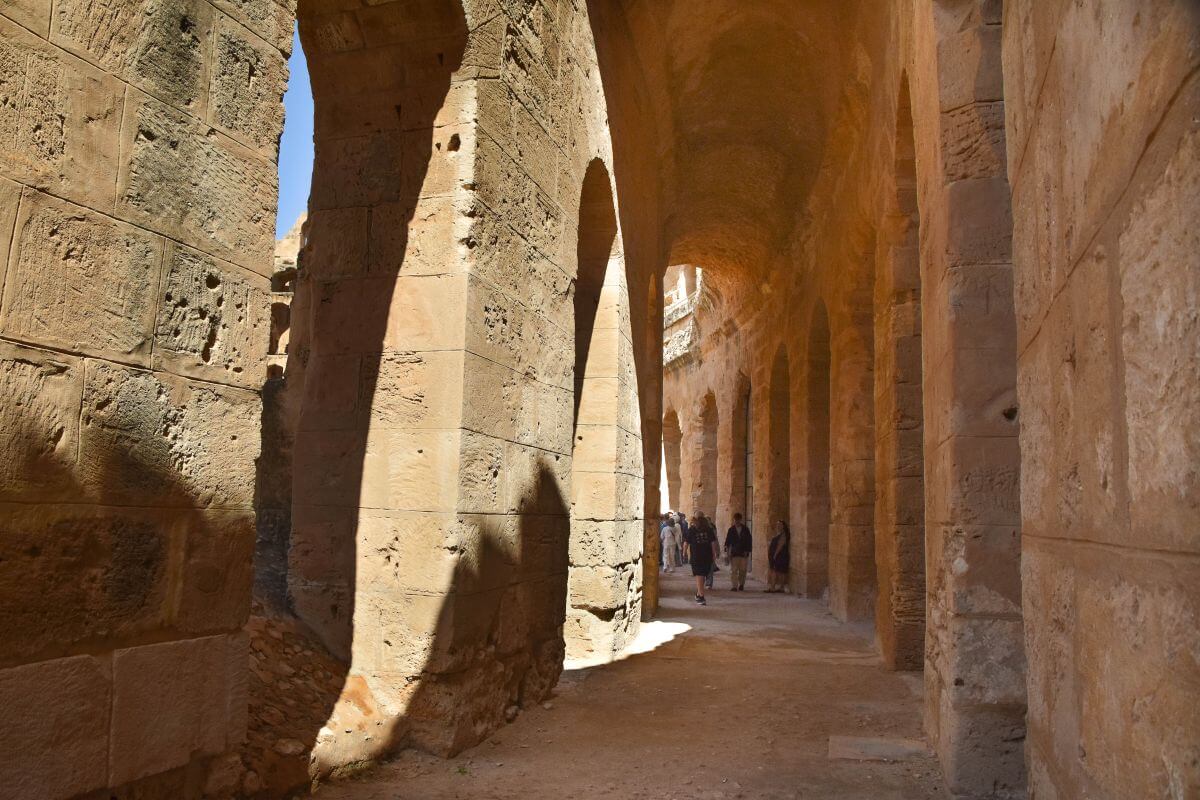
You can move through different levels without confusion, which explains how thousands of people entered and exited easily.
2. Seating Area
POWER, STATUS, AND CONTROL
Look closely, the seating area with stone benches rises sharply around the area, divided into three clear tiers. The lowest level, closest to the arena, belonged to the elite – local officials, wealthy landowners, and honoured guests. These were the best seats, offering the clearest views of the action. Despite being closest to danger, they were also the safest. A high podium wall, around 3.5 m tall, separated them from the arena floor, according to our tour guide, Imed. On top of that, protective systems such as nets and rotating rollers stopped animals from climbing up, while archers stood ready to act if anything went wrong.
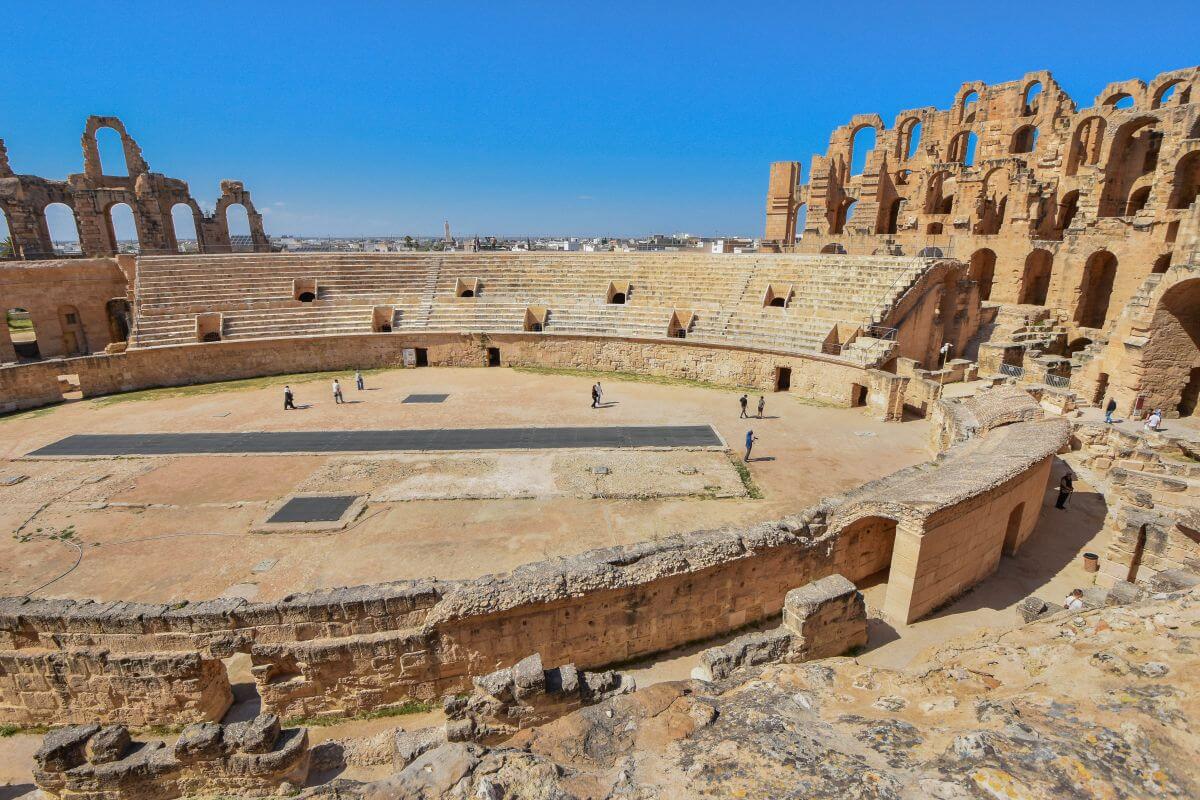
Above them sat the middle classes – men of rank, including knights. At the very top, the steepest seats were for women and the general public. From there, the arena looked smaller, but the atmosphere would have been just as intense. The further away you were from the arena, the lower your status in Roman society. There is also a practical detail that reveals how well this place worked. Those who arrived last sat highest, but they were also the first to leave. In a crowd this size, that mattered more than comfort.
MISSING WALL
3. Arena Floor
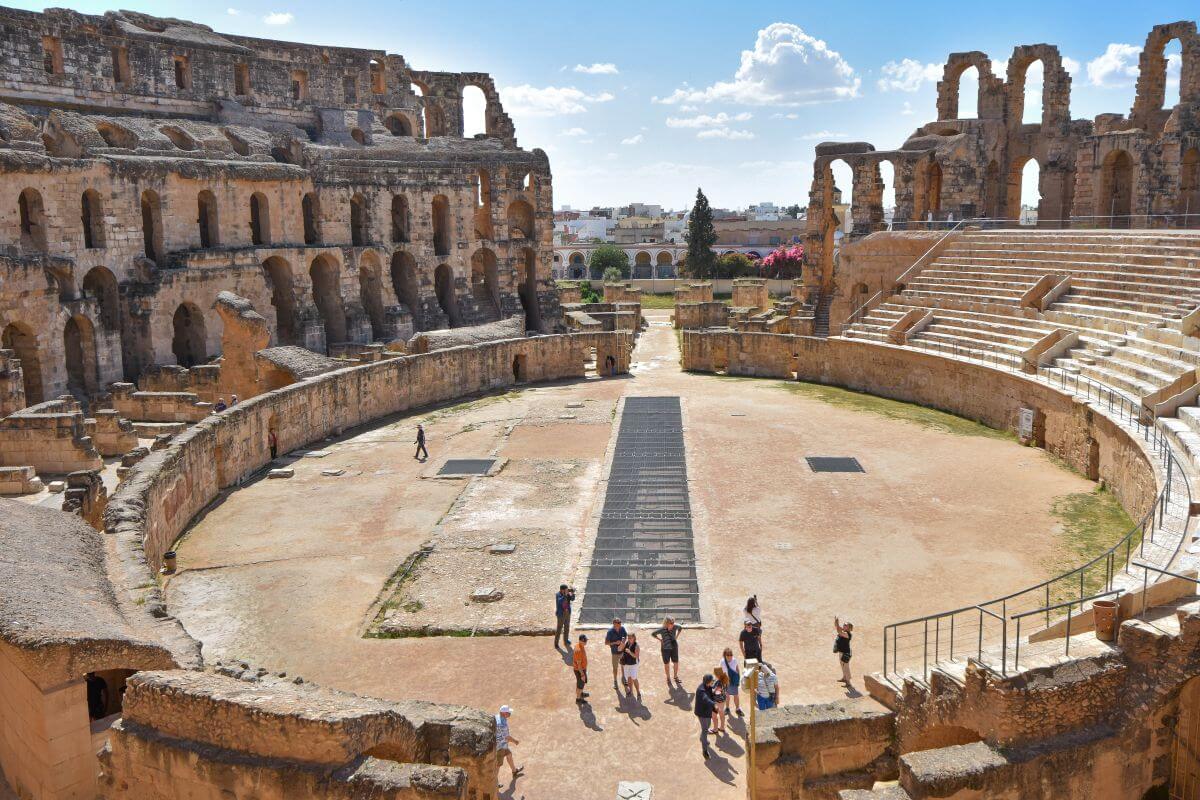
Standing on the arena floor gives you a completely new perspective. Measuring 64 by 39 m, this was the centre of every event – gladiator fights, animal hunts, and public display of power. However, what you see today is not the original surface. The arena floor at the El Jem amphitheatre is a solid modern reconstruction, designed to reveal what lies beneath. According to our tour guide, in Roman times, the floor would have been wooden and covered with sand. This sand absorbed blood and gave fighters a better grip. Open sections in the floor show the underground chambers below, allowing you to see how the arena is connected to the spaces behind it.
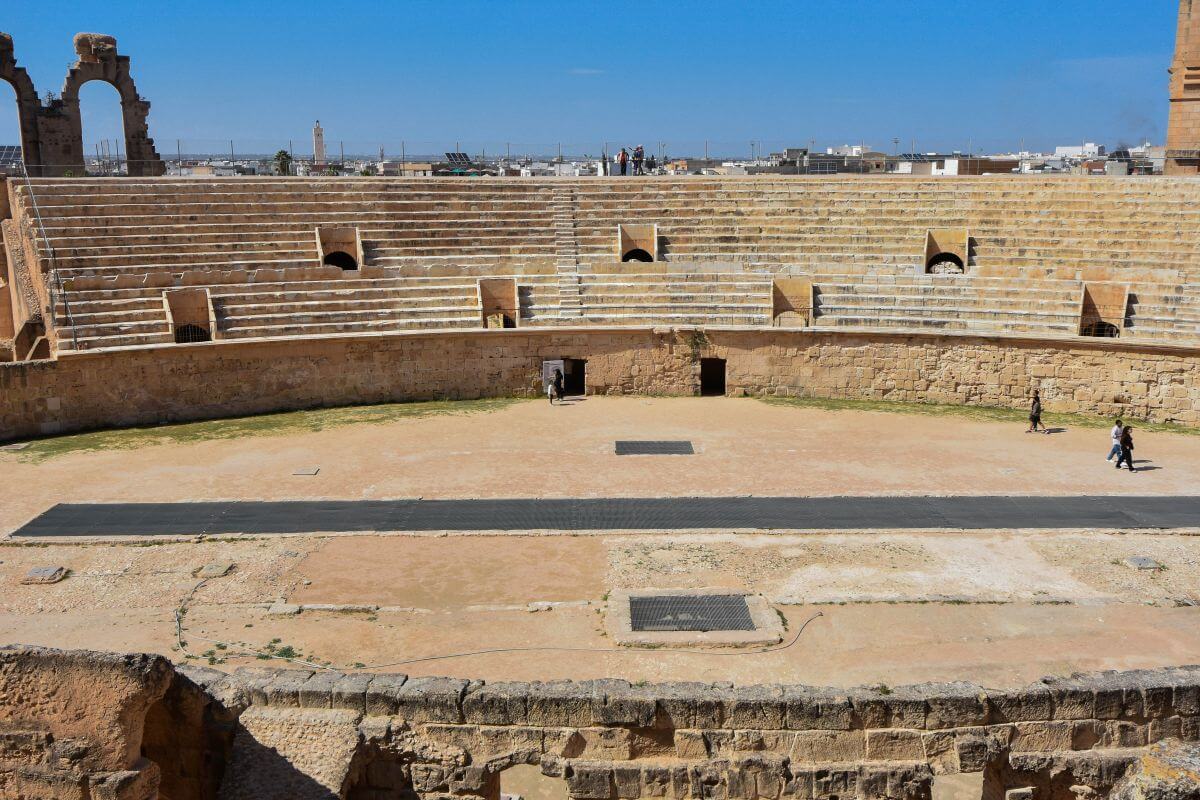
Trapdoors were a key part of the design, allowing animals and fighters to appear suddenly. These worked like early-stage lifts, creating moments of surprise that kept the crowd engaged.
EL JEM VS COLOSSEUM IN ROME:
4. Underground Tunnels
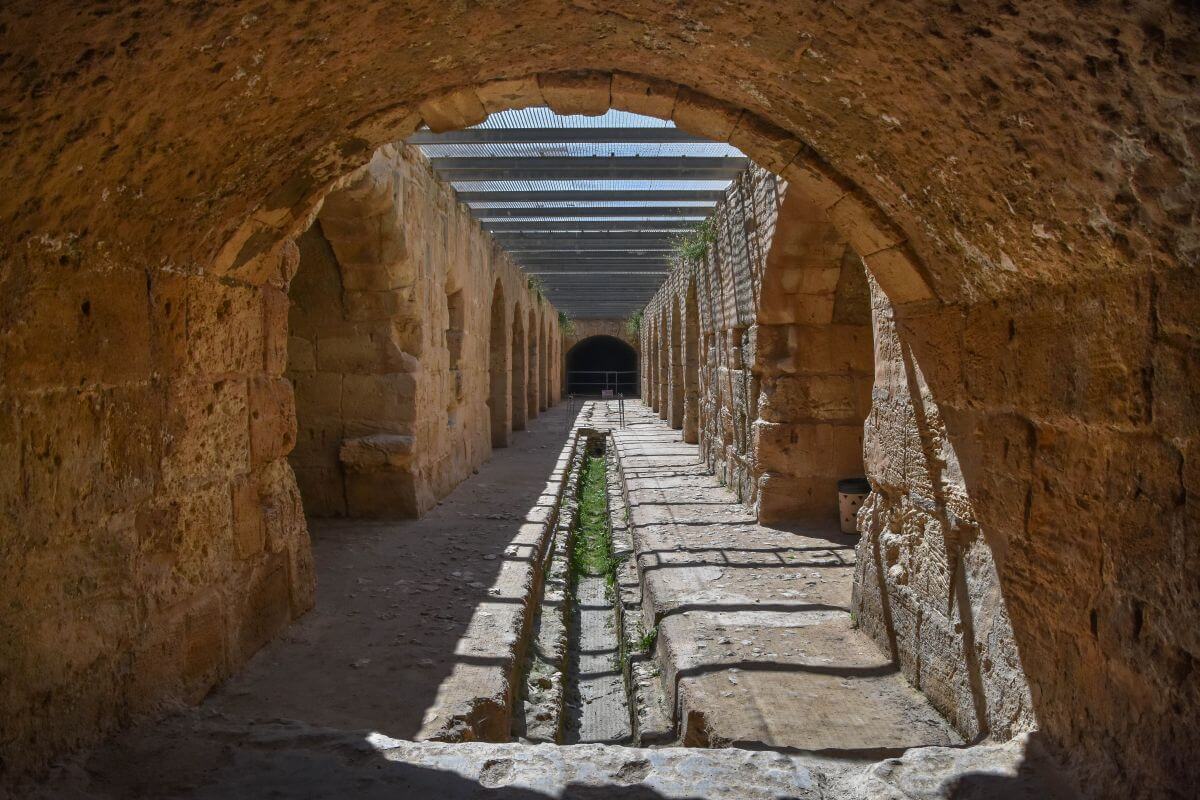
Beneath the arena lies a complex underground system built across two levels. These vaulted galleries once held everything needed for the shows above. Narrow corridors stretch in different directions, connecting small chambers where gladiators prepared. Openings in the ceiling, those same trapdoors seen from above, connect directly to the arena floor. Animals waited in cages in darkness, and prisoners stood here in silence before their fate. These tunnels are still beautifully preserved, allowing you to walk through spaces that once felt tense.
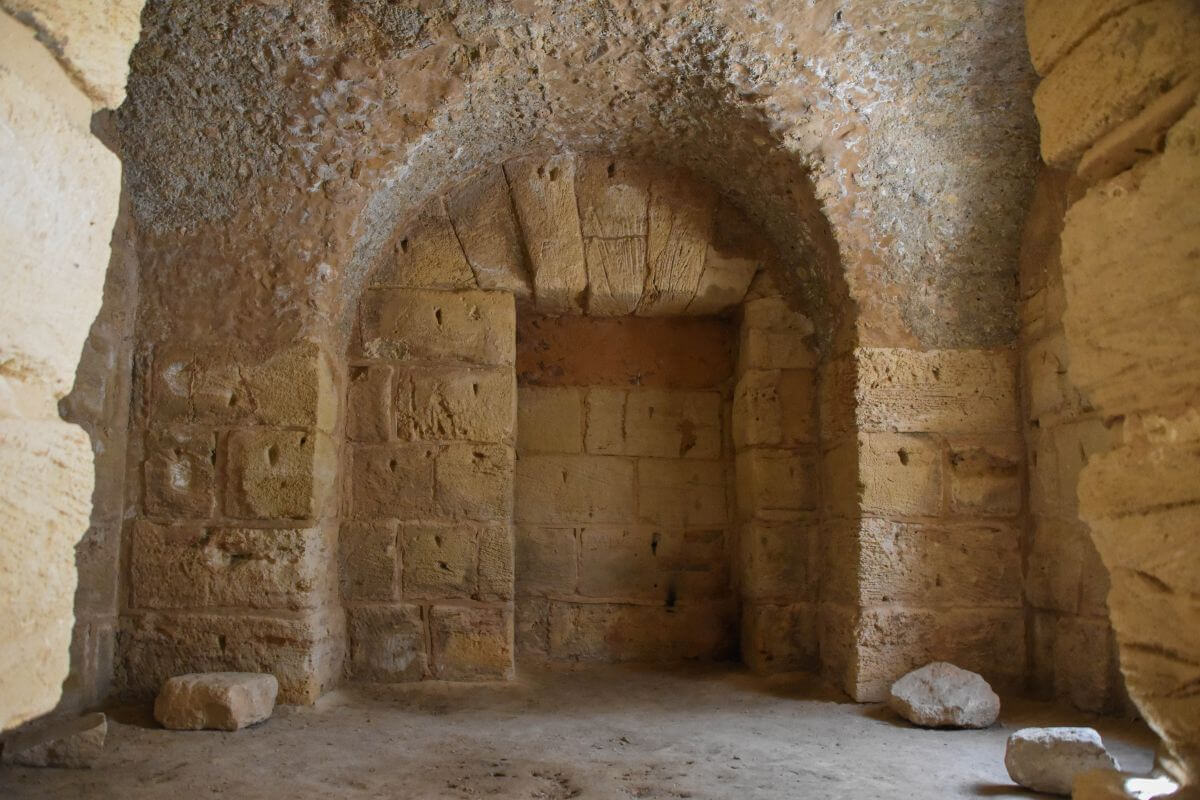
Walking through the underground tunnels is the most powerful part. It’s darker, cooler, and suddenly more human. This is where people waited, uncertain of what came next.
Water also played a key role. A 15 km aqueduct supplied the amphitheatre, supporting both the building and its events in El Jem. This supported cleaning and the general operation of the structure. The level of planning shows how advanced Roman engineering had become.
GOOD TO KNOW:
5. Ancient Graffiti
6. Damage that became part of the story
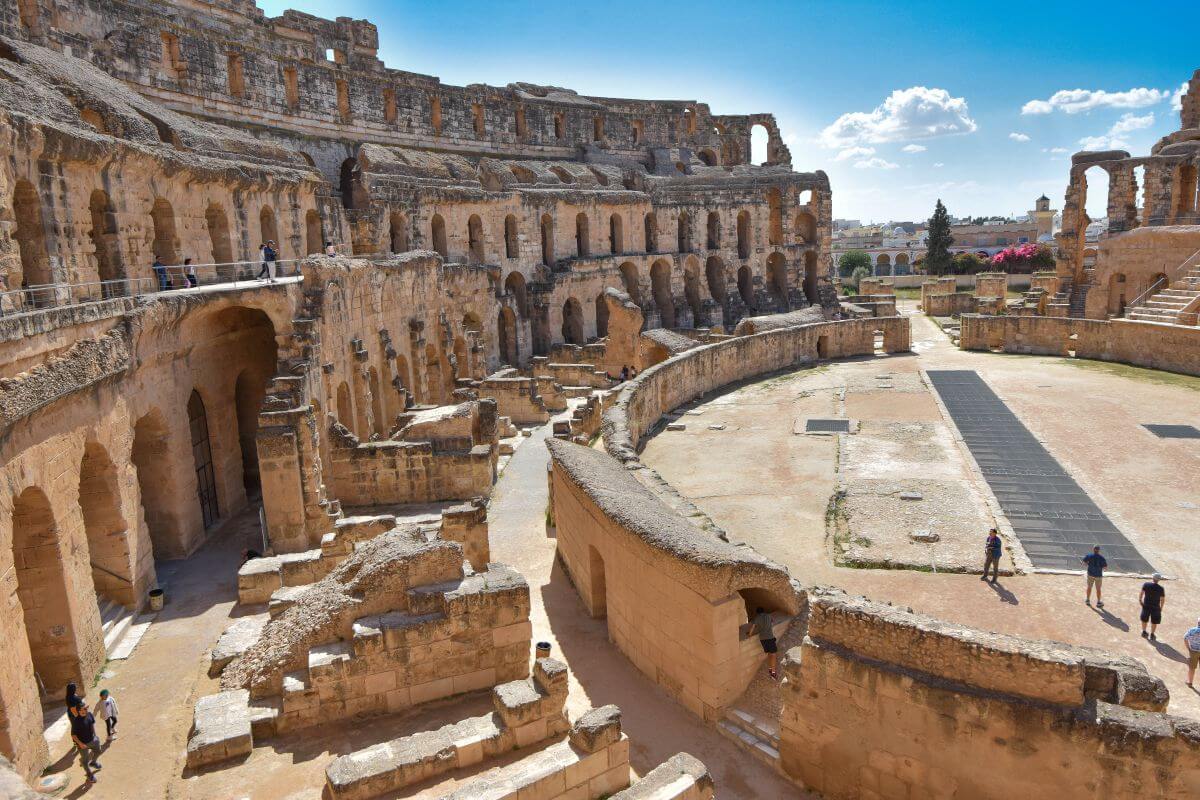
One of the most striking features is the large gap in the outer wall. This was not caused by time. According to historical records, cannon fire destroyed part of the structure to remove rebels using it as shelter. The explosion created the massive gap still visible today. By the 17th century, the El Jem amphitheatre became a source of building materials. Local residents removed stone blocks to construct homes in the nearby modern village of El Djem. Materials even contributed to major regional projects, including the construction of the Great Mosque in Kairouan, according to our tour guide, Imed. This large-scale stone removal, combined with later damage in the 19th century, changed the structure forever.
7. From blood to music
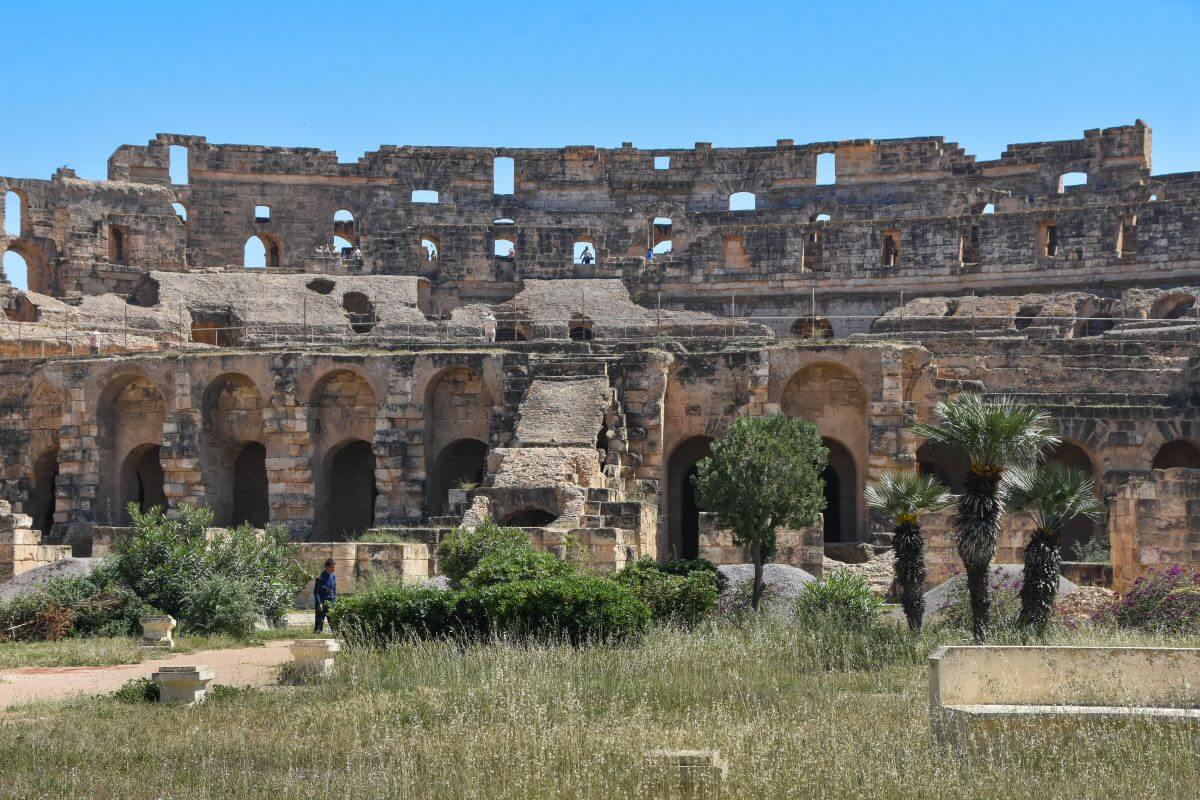
Today, this African colosseum serves a completely different purpose. Crowds still fill the arena, but the atmosphere is entirely different. The amphitheatre hosts the International Festival of Symphonic Music of El Jem each summer, often between July and August. The same building that once held violent shows now welcomes music, taking advantage of the arena’s exceptional acoustics.
Protected for the future
According to our tour guide, Imed and information supported by UNESCO, strict laws now protect the site. Building height around the monument is limited within a 300-m radius, ensuring that nothing overwhelms the African Colosseum. This careful protection ensures that the El Jem amphitheatre remains the focal point of the landscape.
Before You Go: What You Need to Know
Where is the El Jem Amphitheatre?
El Jem amphitheatre is located in central Tunisia, away from the busy coastline and all-inclusive resorts, but it’s easy to reach. It lies approximately 60 km south of Sousse and roughly 200-210 km south of Tunis (2 hours and 30 minutes).
How to get there
- TRAIN:
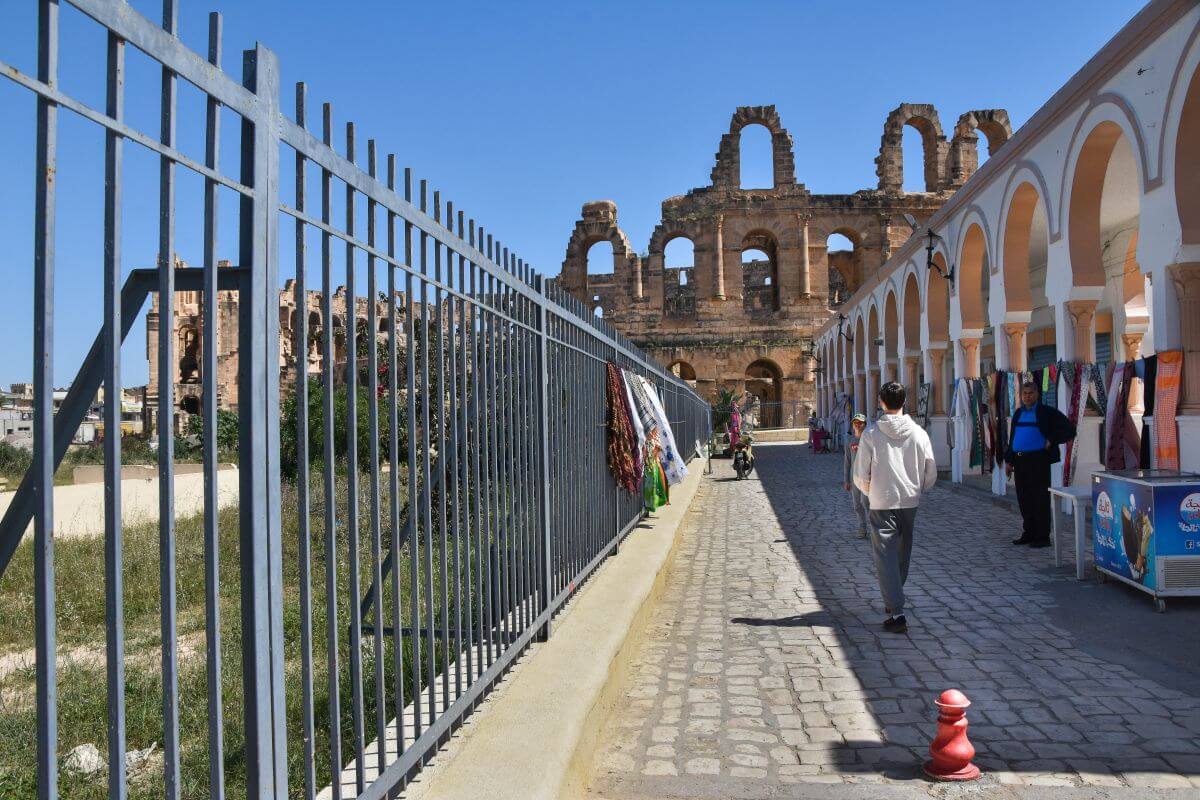
The train is the simplest option if you have enough time. Direct services run from Gare de Sousse, taking approximately 1 hour and 7 minutes. There are usually 3 to 5 trains per day, and tickets cost very little, often under 2 Tunisian Dinars. The train station is only about 300 m from the colosseum, and you can spot the monument almost immediately after stepping off the train. However, you should know that trains can be slow or delayed, so timing is not always reliable.
- SHARED TAXI:
If you want something faster and more reliable, shared taxis (louages) are a perfect alternative. They leave when full, run more frequently, and often take less time than the train from Sousse.
- A GUIDED TOUR:
The third option is joining a guided tour from Sousse, Tunis, Monastir, or other tourist spot. We visited as part of a day trip from Tunis to Kairouan, El Jem, and Sousse. Our private tour, with our own driver and tour guide, was convenient, but it limited our time at the site. Because of our schedule, we missed the nearby Archaeological Museum, which is just an 11-minute walk away. The museum holds some of the finest Roman mosaics in the region. Your ticket to the colosseum also includes entry to the museum and the ruins of nearby Roman villas. If you have extra time, it is well worth visiting.
Opening hours and entry fees
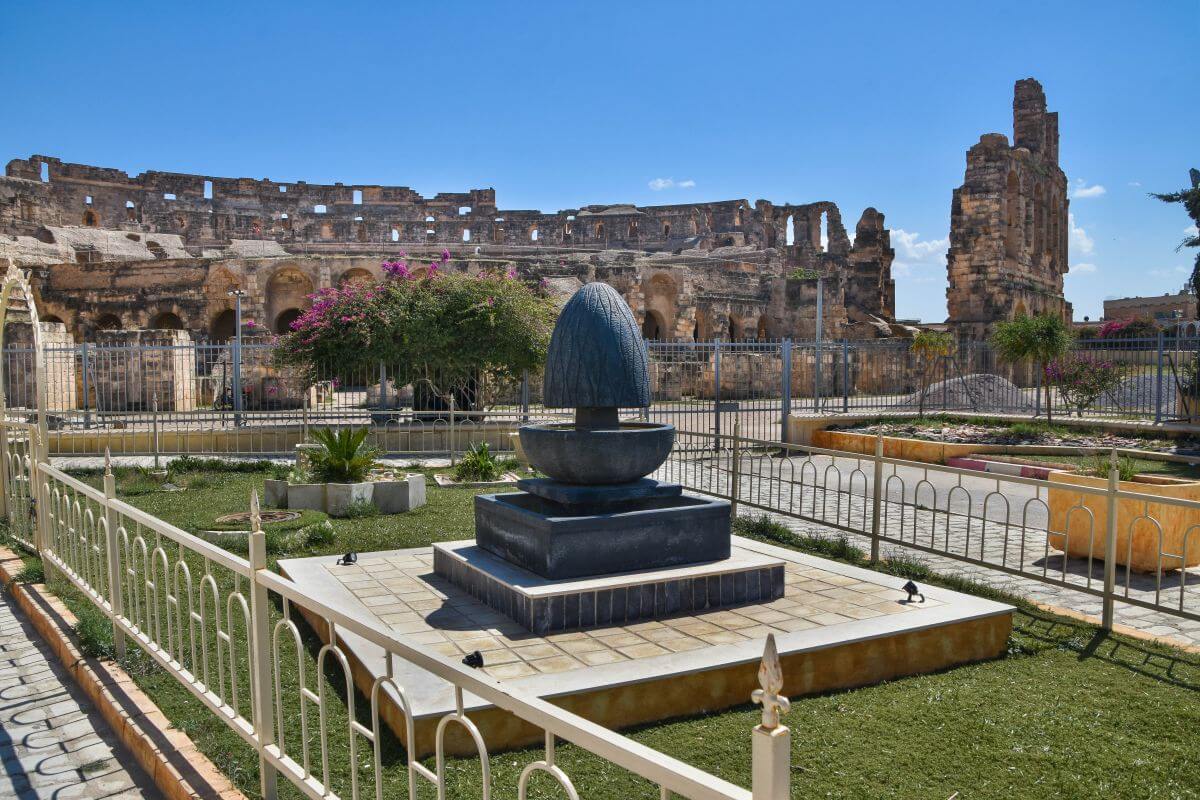
Opening times to the El Jem amphitheatre change depending on the season. In summer, the site usually opens from 8 AM to 6:30 PM. In winter, it closes earlier at around 5:30 PM. During Ramadan, hours typically run from 8 AM to 5 PM. As of April 2026, the entry costs 12 Tunisian Dinars (£3) for non-residents and 8 Tunisian Dinars for residents. This ticket covers access to the colosseum, including the arena, seating areas, underground spaces, and the nearby museum. You may also need to pay a small extra fee (around 1 Dinar) if you bring a camera. Don’t forget to bring cash.
Facilities on site
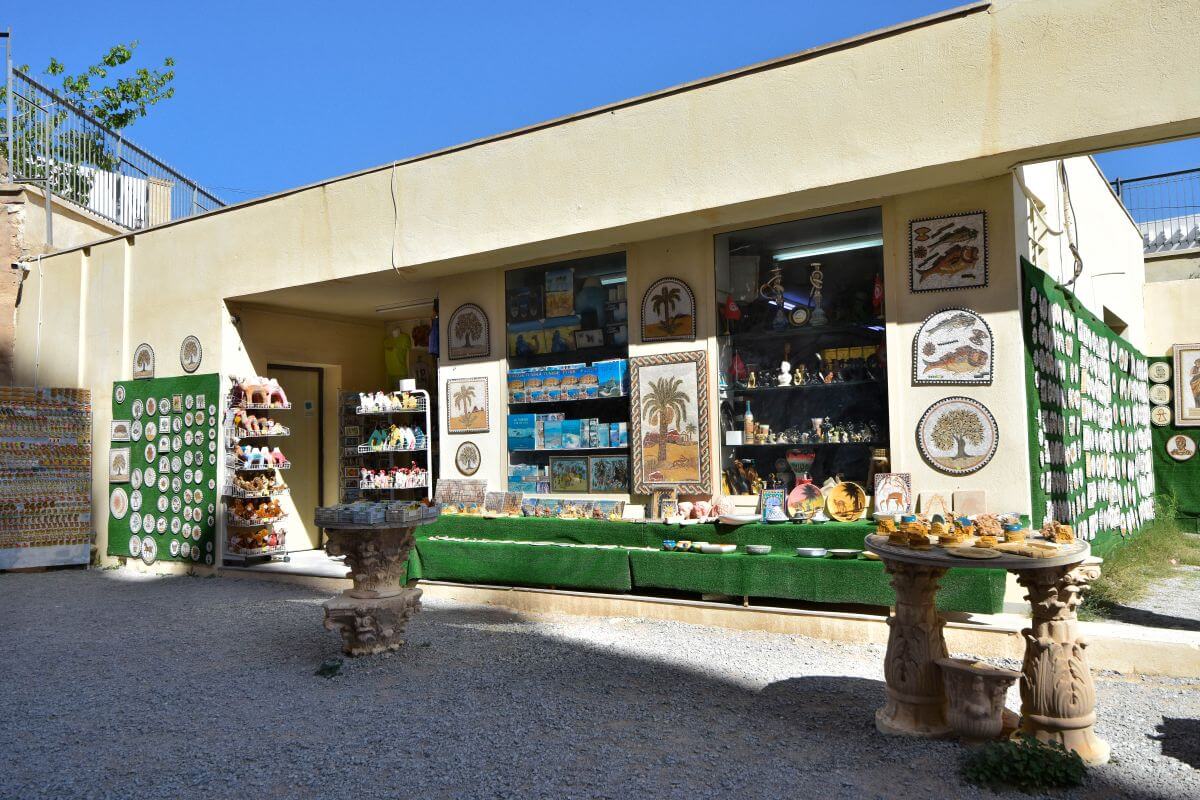
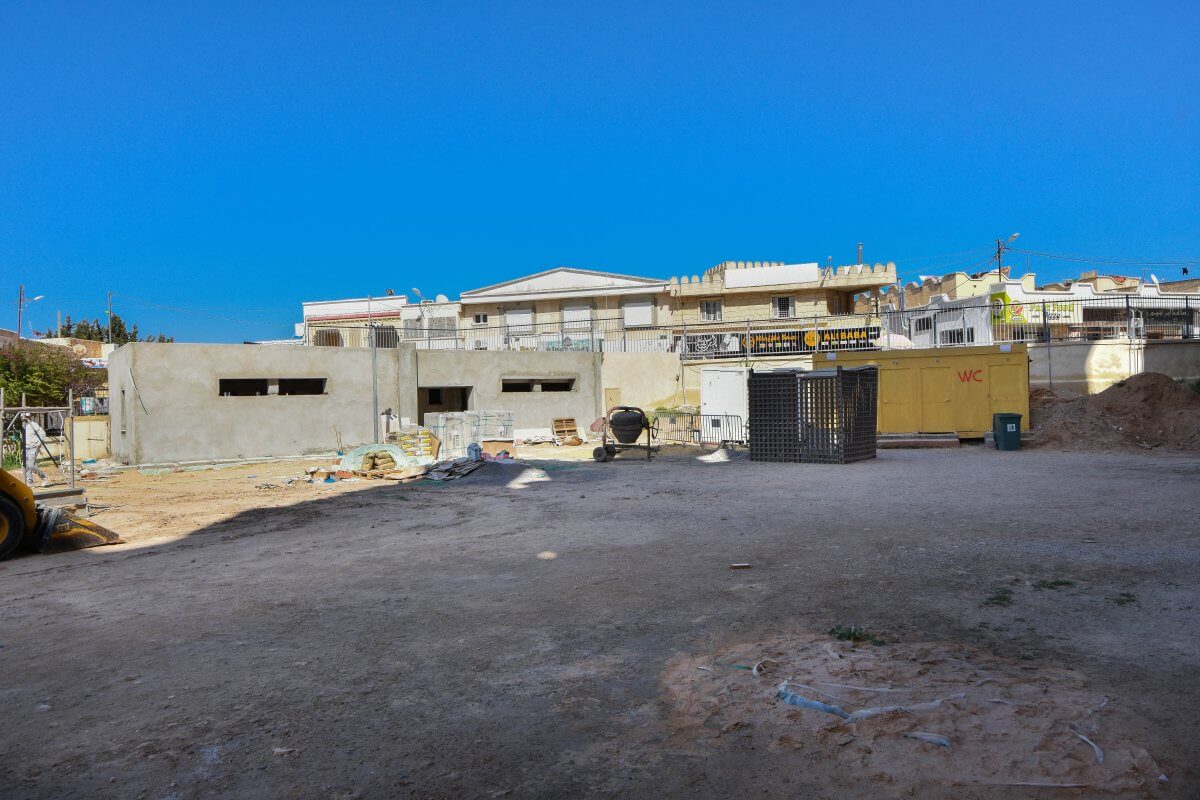
Near the entrance, you will find a small souvenir shop and basic toilet facilities. The toilets are located to the right after the ticket office. They are simple and don’t require a fee when we visited, but they often lack toilet paper, so it’s best to bring your own. There was running water during our visit in April 2026, but it is wise to keep expectations flexible.
Practical Tips for Visiting El Jem Amphitheatre in Tunisia
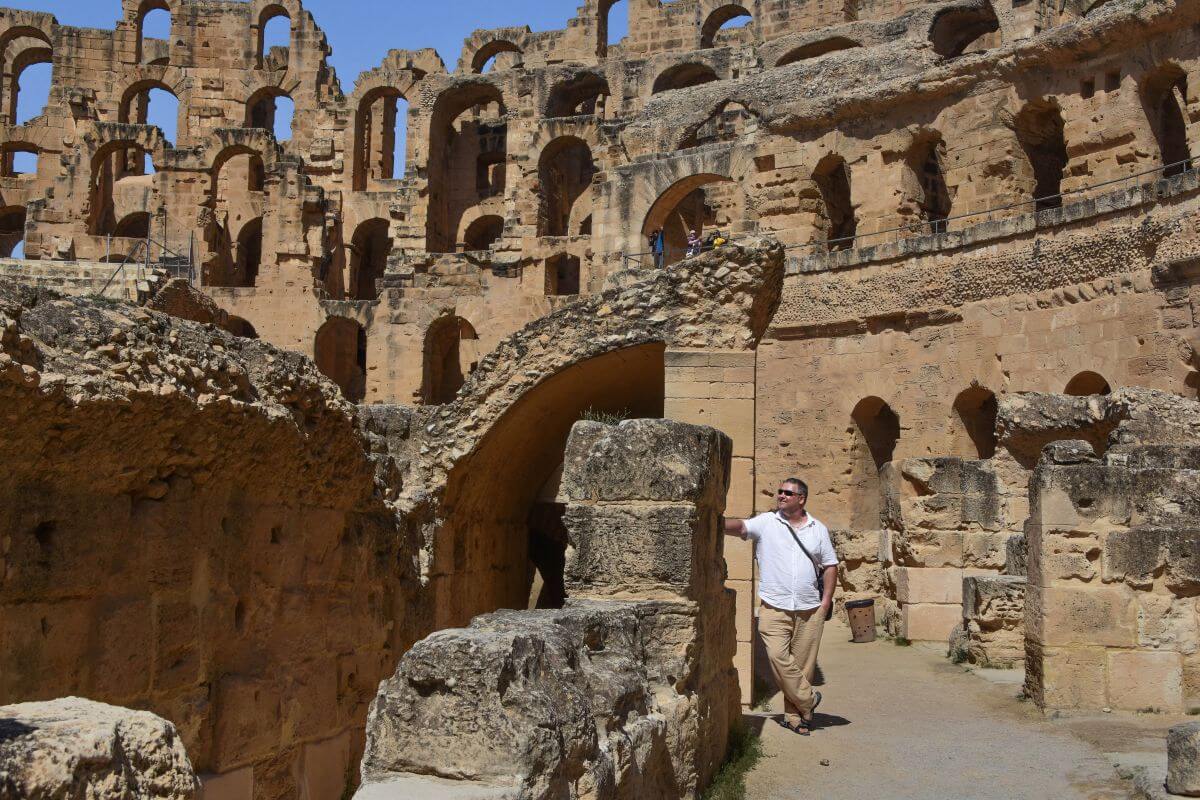
- This UNESCO World Heritage Site stands out as a quieter, less-crowded alternative to Rome’s Colosseum. Give yourself at least 1-2 hours to explore everything properly, from the upper seating tiers to the underground chambers below.
- Plan your visit in April, May, September or October if you can. These months bring milder weather, which makes a massive difference when walking across exposed stones. During summer, early mornings or late afternoons are the best time to explore the El Jem amphitheatre. Arrive too late, and you’ll battle harsh light and heat. Get it right, and the entire place feels almost empty.
- Your 12-dinar ticket includes entry to the nearby Archaeological Museum. Don’t miss it-allow yourself extra time and visit it (lesson learned).
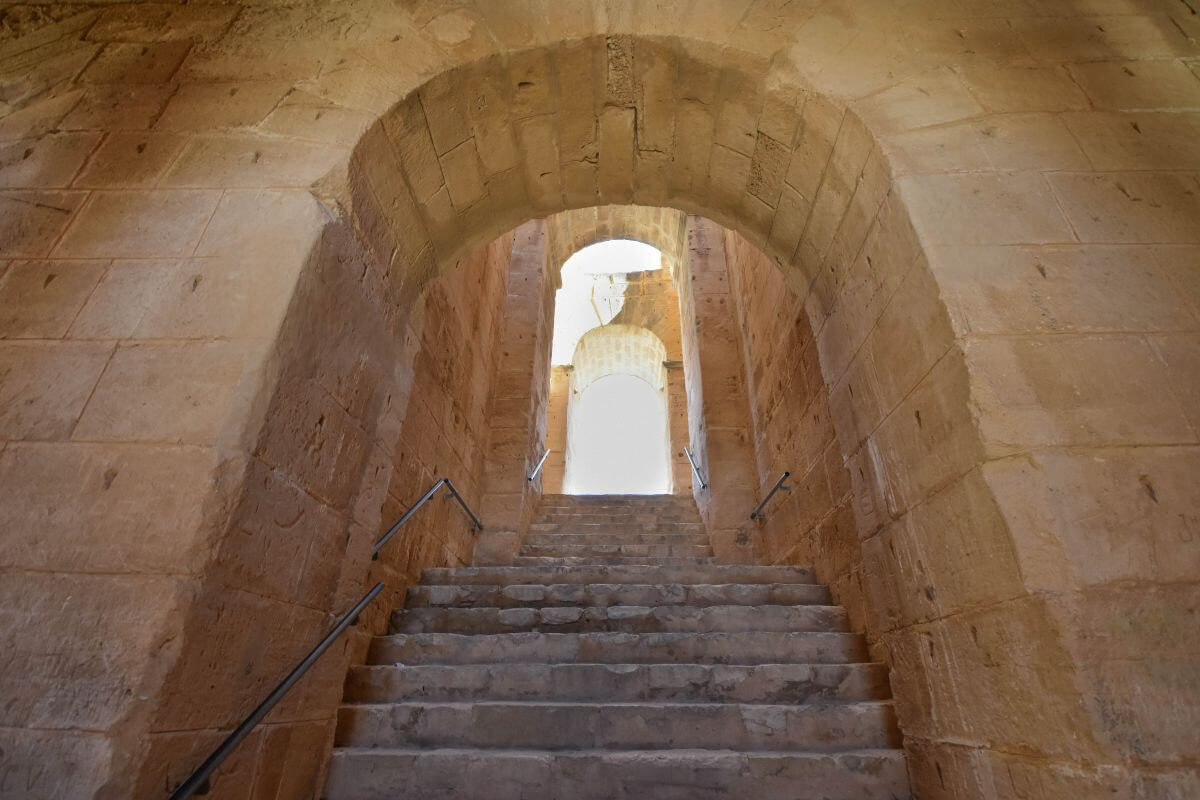
- Wear proper shoes with grip, as the stone steps feel uneven and steep in places.
- Bring water, especially during warmer months, and don’t forget sun protection. Shade is almost non-existent inside.
- We noticed very limited information signage on site. Hiring a local guide or learning about the site before your visit can transform your experience.
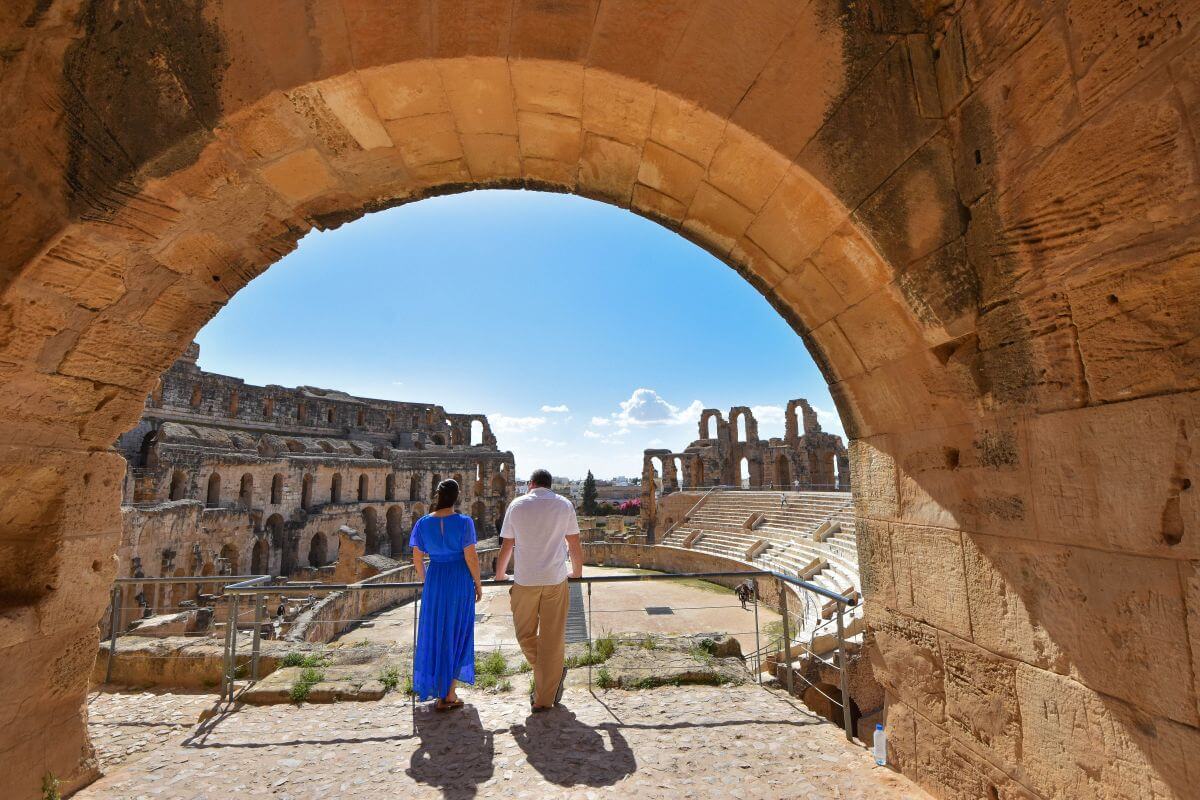
- Climbing to the upper levels gives you one of the best views in the region. The best shot is from the edge, looking down into the arena. This gives you depth, scale, and context in one frame.
- The best time for photography is early in the morning or late in the afternoon (sunset). These times offer soft, golden light that highlights the stone structure. You can also explore the arena before tour groups arrive.
- The biggest mistake? Rushing. Many visitors spend less than an hour here and leave without seeing the underground tunnels or climbing to the top.
Was Gladiator Filmed Here?
It’s one of the most common questions many visitors ask. This amphitheatre in Tunisia looks exactly how most people imagine ancient Rome felt. In reality, the film was not shot here. The production took place in three main locations: Morocco, England, and Malta. The famous arena scenes were filmed at Fort Ricasoli in Malta using a detailed replica. Desert scenes came from Aït Benhaddou near Ouarzazate in Morocco, while forest scenes were shot in Surrey, England. Even so, this monument often gets credit in travel stories and online reviews. So while the cameras never rolled here, the spirit of films like Gladiator I and II lives within these walls.
How Long Do You Really Need?
This isn’t a place to rush. Many visitors leave too early and miss what makes this place unforgettable. To truly understand the site, you need to allow yourself enough time. Devote 2 to 2.5 hours total to El Jem, allowing 1-1.5 hours to explore the colosseum and 30-60 minutes for the nearby Archaeological Museum. While you can quickly visit it in 45 minutes, timing shapes your entire experience.
What Nobody Tells You About Visiting El Jem Amphitheatre in Tunisia
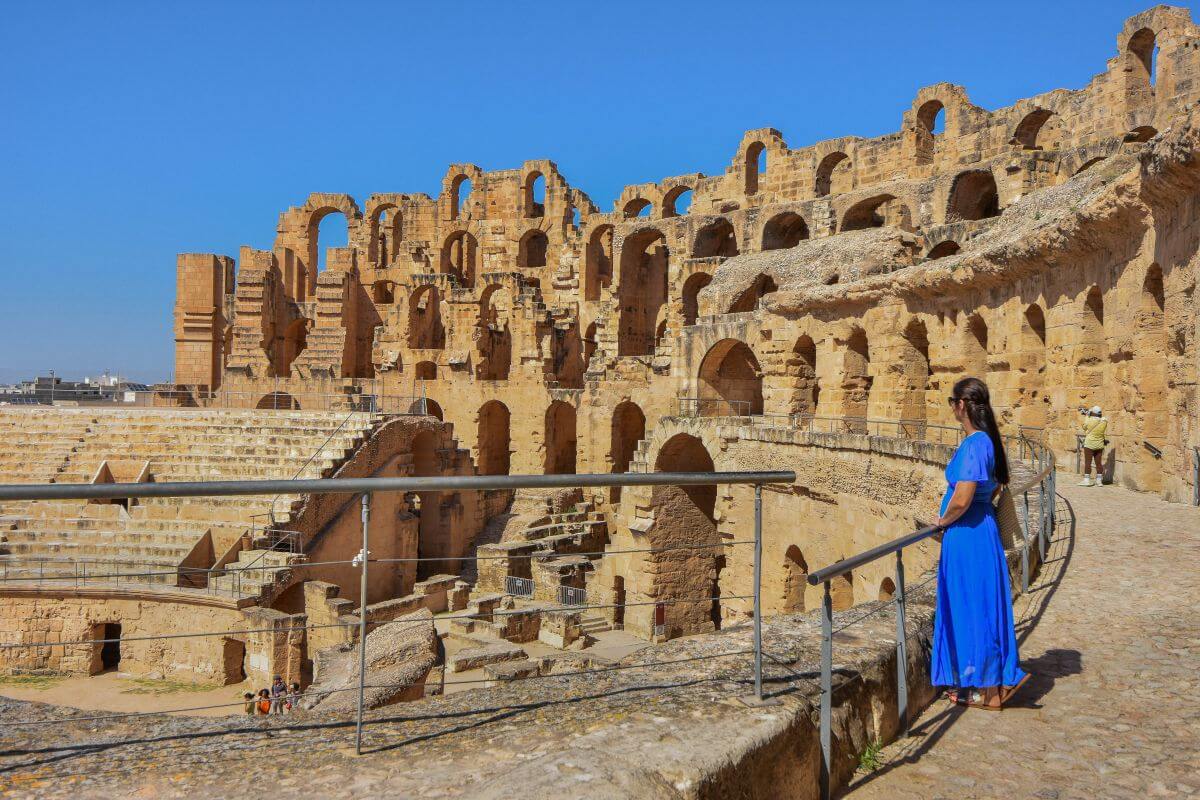
You’ll read a lot of advice online about timing, arriving early, avoiding peak hours, and planning your visit carefully. Here’s the truth: It doesn’t apply here. That approach works in places like Rome, where you need to purchase a skip-the-line ticket and have timed entry.
WHY TIMING MATTERS LESS HERE
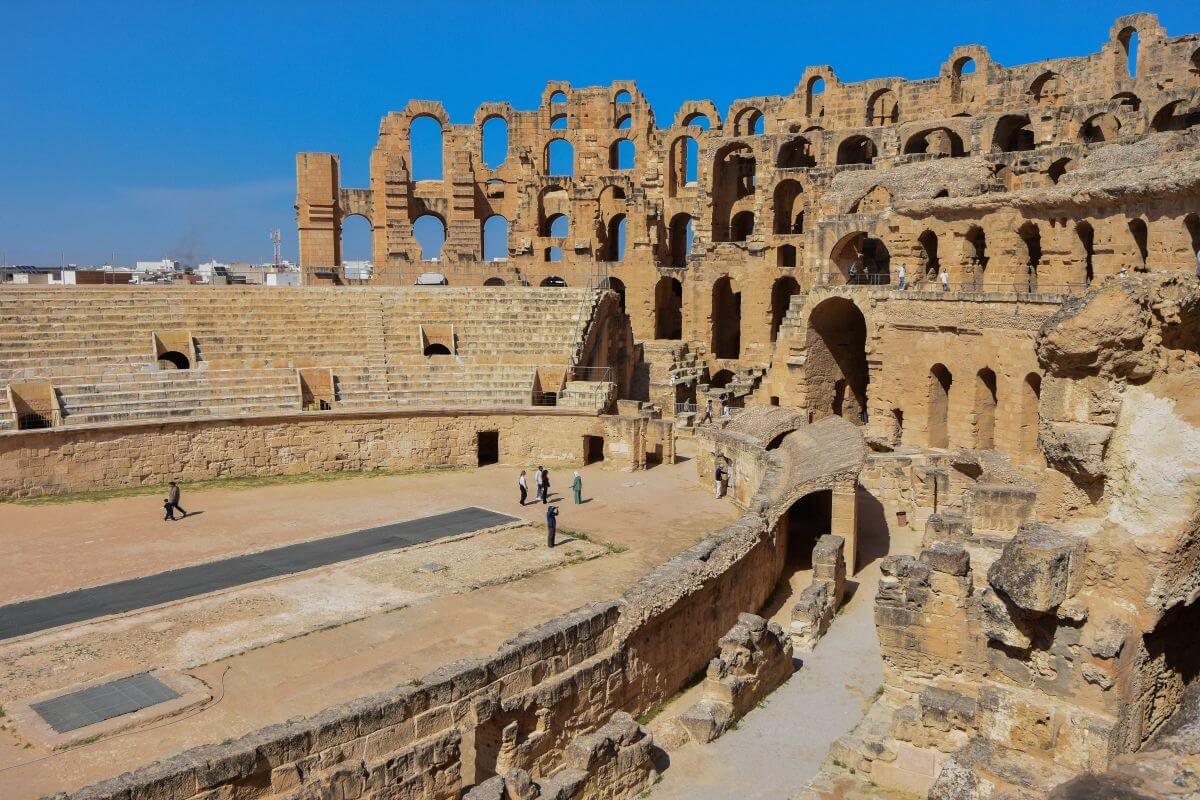
This changes how you should approach your visit. Instead of planning your day around crowds, you can focus on how you want to experience the space. Walk in, step back out, change levels, or sit and observe. Nothing feels restricting, and you don’t need to ‘beat the crowds’. And you definitely don’t need strategies like skip-the-line tickets. Instead, you can explore naturally. That’s the real advantage of this site in Tunisia.
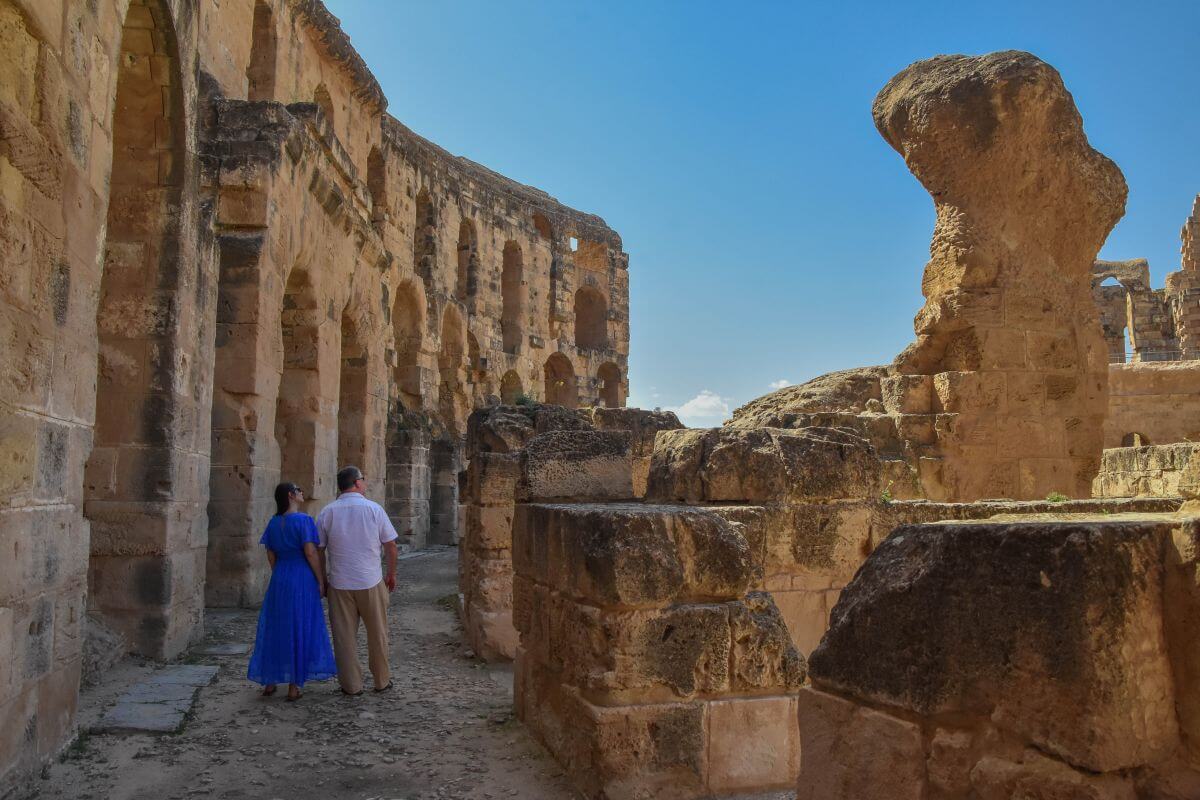
This site doesn’t require strategy or strict timing. It rewards curiosity and slowing down – something that’s becoming rare at historic sites of this scale.
Light also works in your favour. Because the structure rises from flat ground, sunlight shifts evenly across the stone throughout the day. You’ll always find a balance between bright areas and shaded arcades, especially along the lower galleries and inner corridors. This means you don’t need to time your visit perfectly to enjoy it.
Recommended 2-Hour El Jem Amphitheatre Walking Tour (time breakdown):
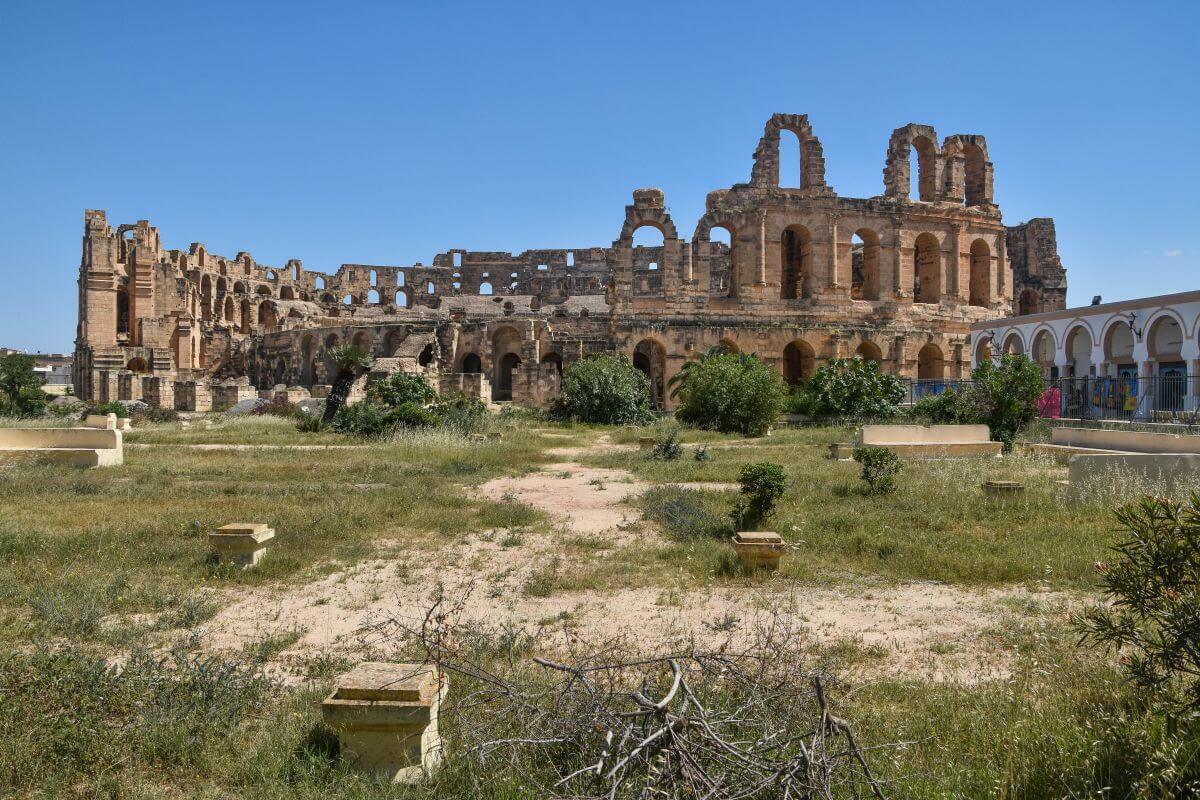
Before you visit the African colosseum, walk the perimeter for 360-degree panoramic views of this UNESCO-listed landmark. Seeing the entire structure is essential to appreciating the dramatic contrast between the perfectly restored South side and the destroyed North side. Afterwards, find the entry to the colosseum.
- 0:05-0:15: Exterior, Entrance, and Facades: Take a closer look before entering and absorb the scale of this landmark (the third largest in the Roman world). Don’t forget to take pictures before you purchase the tickets.
- 0:15-0:40: Arena Floor & Underground Tunnels: Divide your time, walk the arena and explore the well-preserved subterranean vaulted tunnels. Spend 10-15 minutes each on the arena floor and in underground spaces.
- 0:40-1:00: Seating Area: Explore the original stone stairs and take pictures from above.
- 1:00-1:20: Upper Levels: Climb higher for wide, uninterrupted views and see the best views of the colosseum.
- 1:20-1:30: Photo Opportunity and Reflection: Spend time in the shaded arcades, taking pictures of the interior from above. Pay attention to clear signs of fossilised shells within the stone. Don’t miss the ancient graffiti.
- 1:30-2:30: Archaeological Museum: Walk to the museum or take a short taxi ride and finish your trip with mosaics and Roman villas.
Now you have a complete guide to planning your visit to the El Jem amphitheatre in Tunisia.
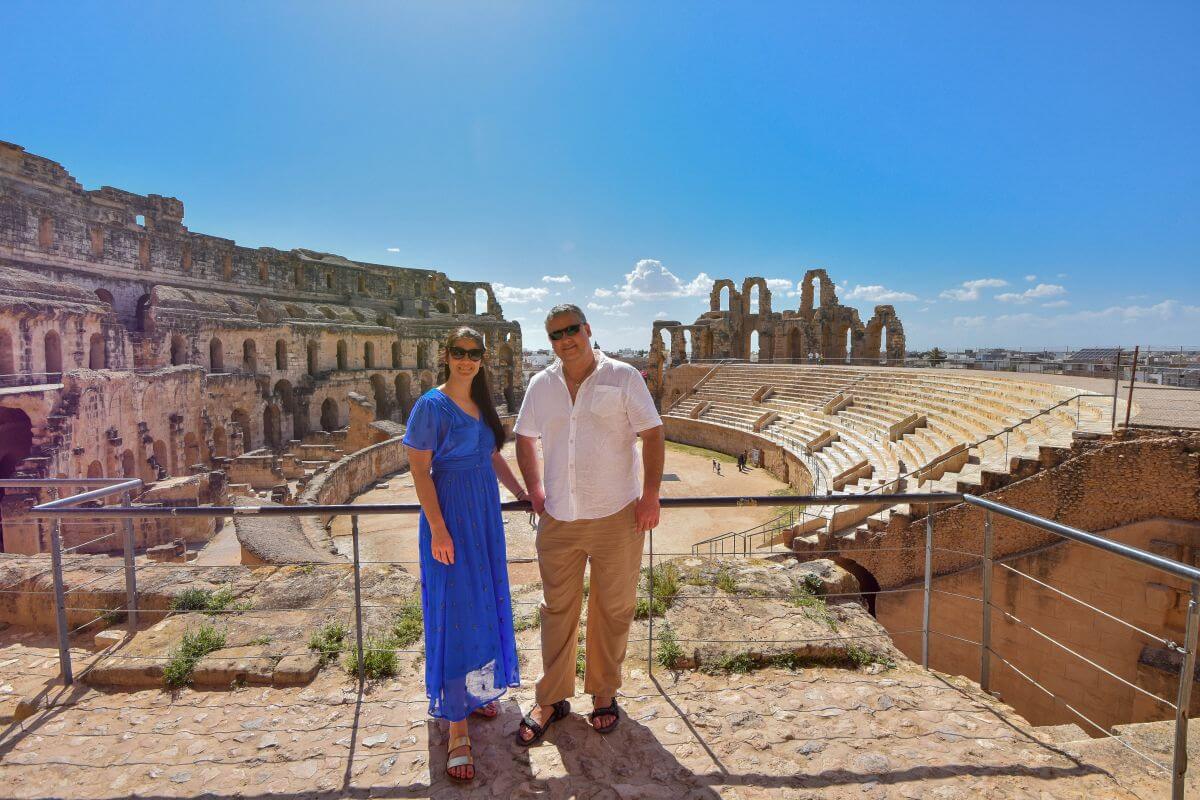
Thank you for staying with us until the end! If you’ve enjoyed this article, please consider sharing this post to extend its reach.
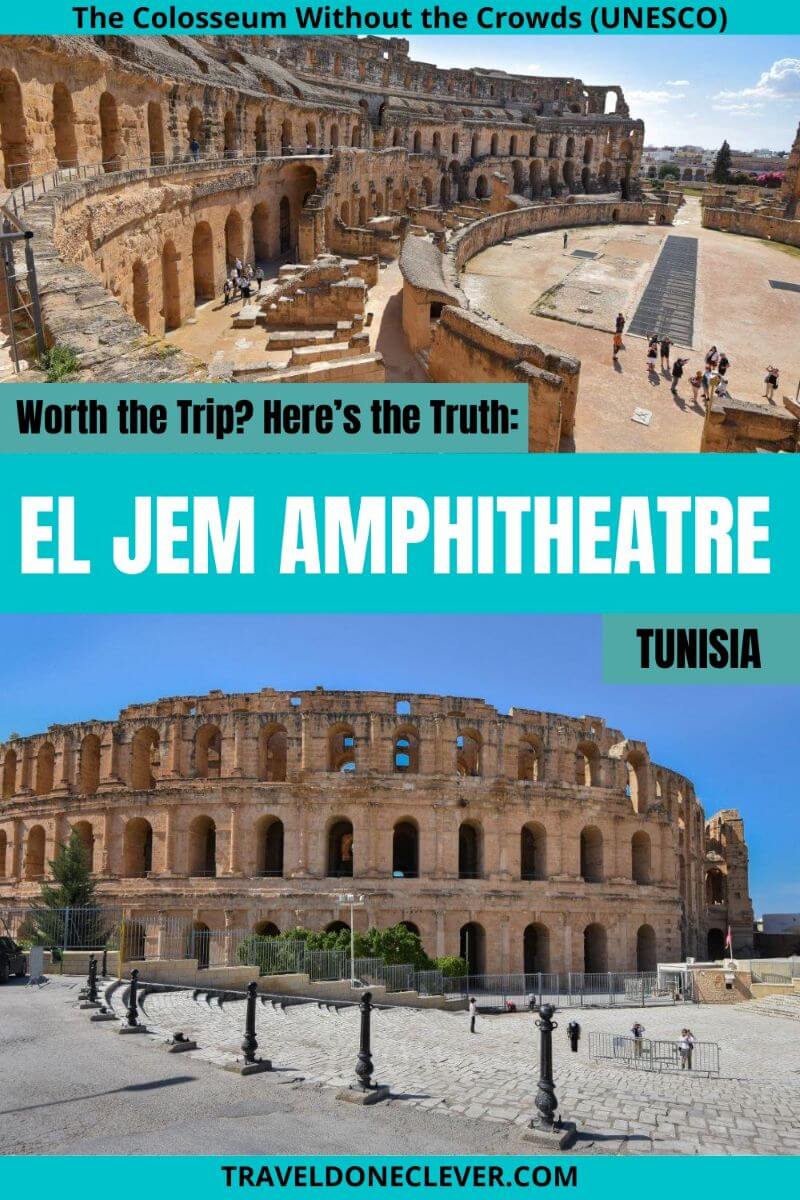
Pin the El Jem Amphitheatre in Tunisia for later so you don’t lose it!
YOU MAY ALSO ENJOY: