What are the wonders of the modern world, and should they be on your bucket list? If you’ve ever asked that, you’re in the right place. This wasn’t a decision made behind closed doors by historians or architects. It was global. Over 100 million people around the globe took part in a massive vote to decide which structures deserved a place in history. The goal: find just seven monuments that represent the best of human creativity, history, and architecture. The catch? The list had strict rules: only man-made, still-standing structures with architectural value could be considered. And they had to be built before 2000, which meant Burj Khalifa, the world’s tallest building, didn’t qualify. World icons like the Eiffel Tower, Hagia Sophia in Istanbul, the Alhambra in Spain and Stonehenge didn’t make the cut. The same goes for Angkor Wat, the world’s largest religious building, and the Acropolis in Greece.
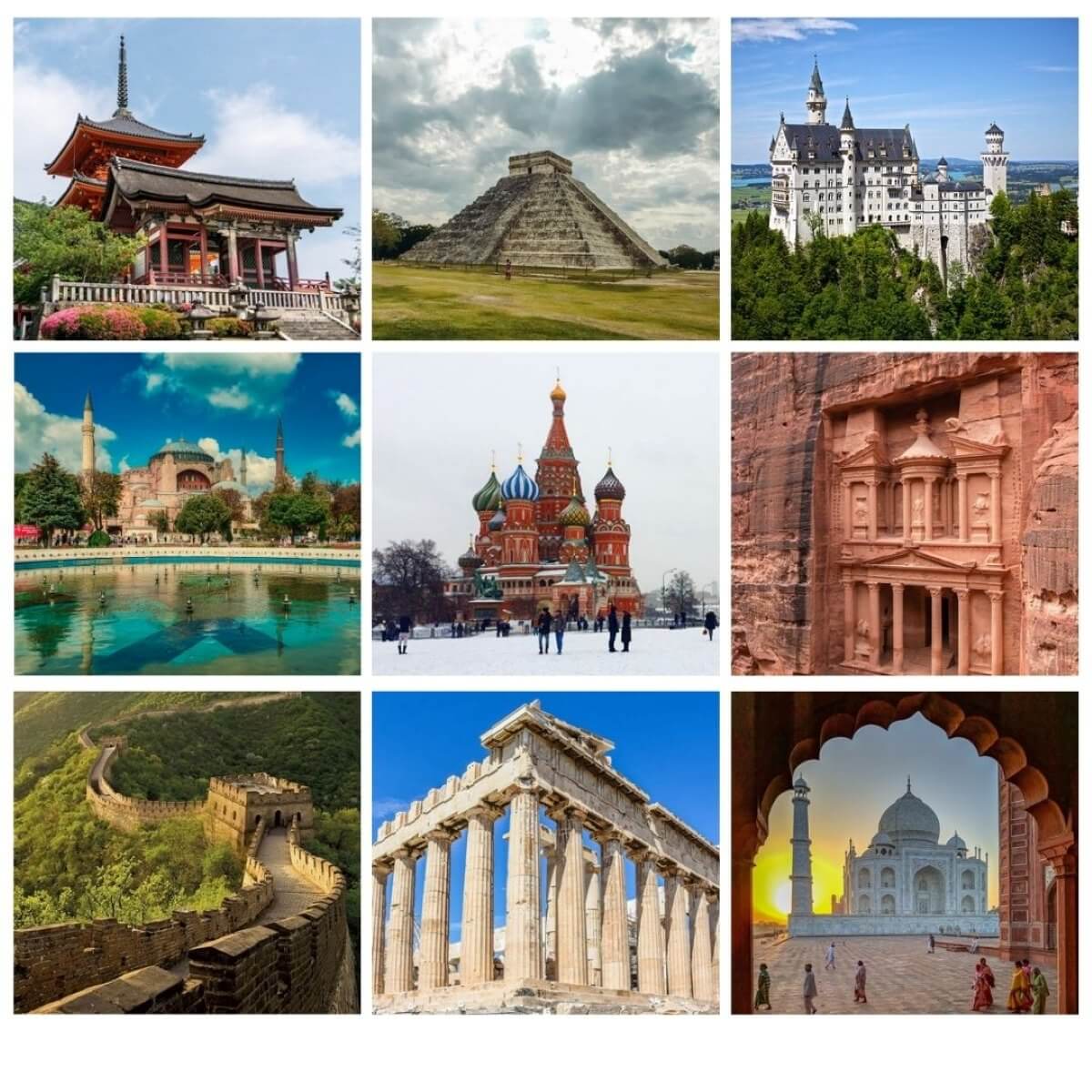
Candidates: Only seven could be chosen, matching the number from the original, ancient list.
The final list of modern wonders includes masterpieces across four continents, each with incredible stories and strong visitor appeal. All are UNESCO World Heritage sites, yet UNESCO had no role in the vote. This article reveals what makes each one so special, how they earned their spot, and whether they live up to their global fame.
Seven Wonders of the Modern World
Here are the 7 Wonders of the Modern World and where you can find them.
Wonders of the Modern World in Asia
1. Great Wall of China
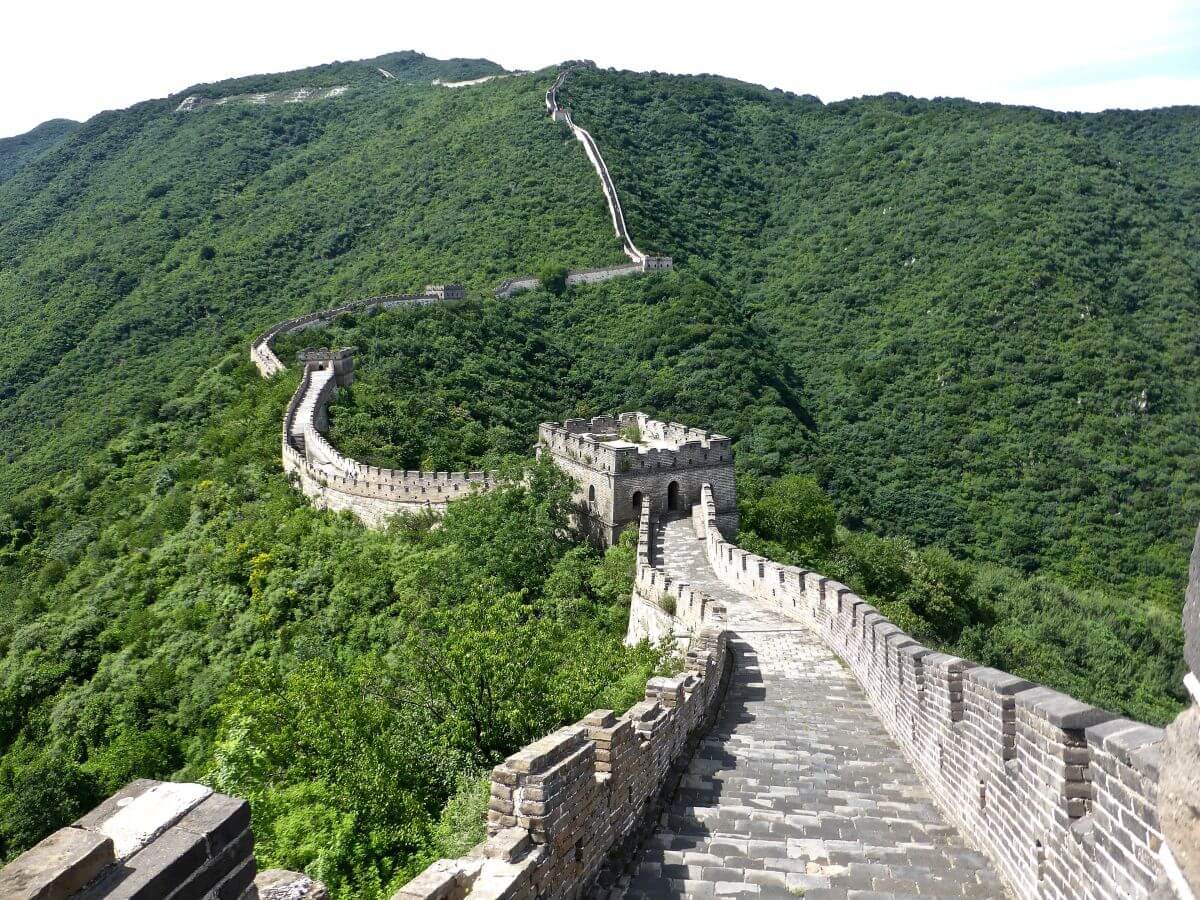
Of all the wonders of the modern world, few structures surprise in quite the same way as the Great Wall of China. According to BBC News, with more than 20,000 km (12,427 mi) of winding fortifications, it’s the longest wall in the world and the largest man-made structure on the planet. But don’t believe the old myth – it’s not visible from the Moon. What you see, though, is a masterpiece of human willpower, history, and ambition
THE WALL THAT SHAPED A NATION:
This iconic Chinese landmark did not rise in a single era or under one ruler. Builders worked on the Great Wall for more than 2,000 years, as multiple dynasties expanded, rebuilt, and reinforced it. According to Wikipedia, construction began as early as 770 BC and continued until 1633 AD. Historians estimate that over one million people laboured on the Wall across the centuries, based on figures from the China Discovery website. Dangerous terrain, brutal conditions, and extreme weather caused an exceptionally high mortality rate, making the Great Wall one of the most labour-intensive and deadliest construction projects in human history.
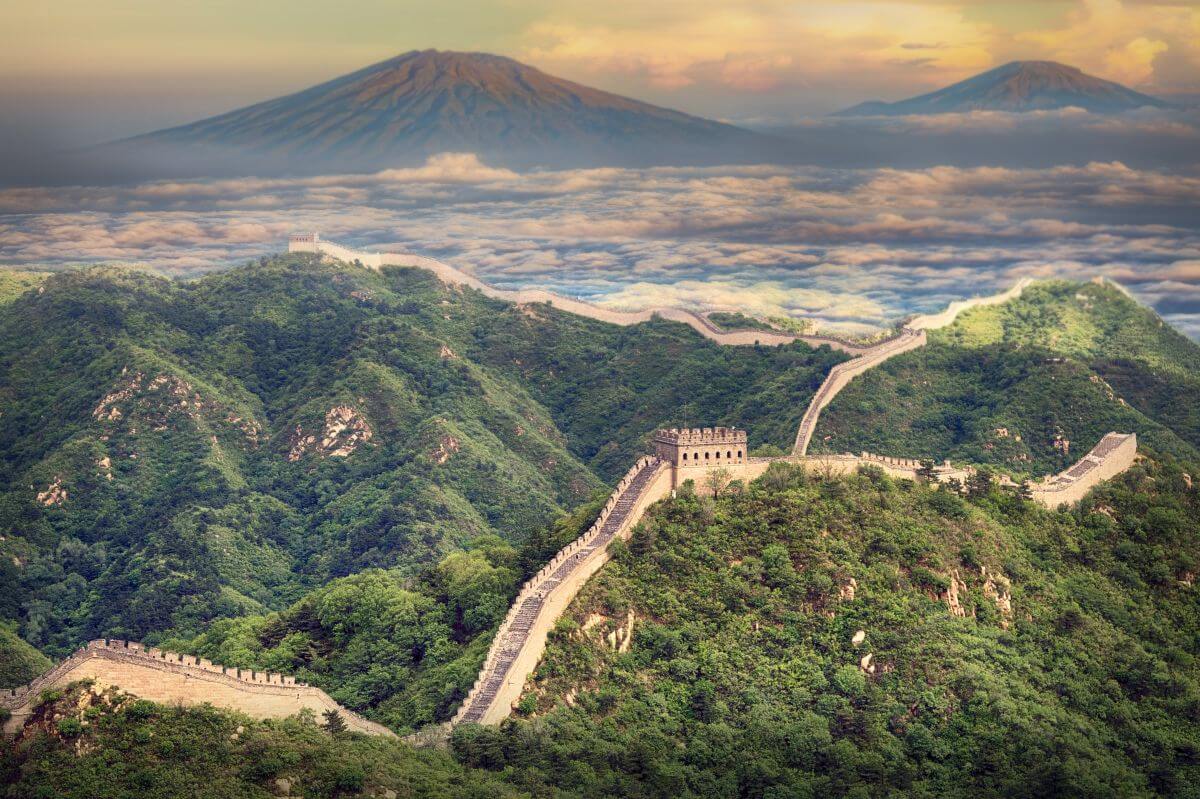
The Great Wall of China is not only an architectural marvel but also the world’s largest building construction project. It stands as one of the greatest engineering achievements in human history and it’s the oldest structure among the New Seven Wonders of the World.
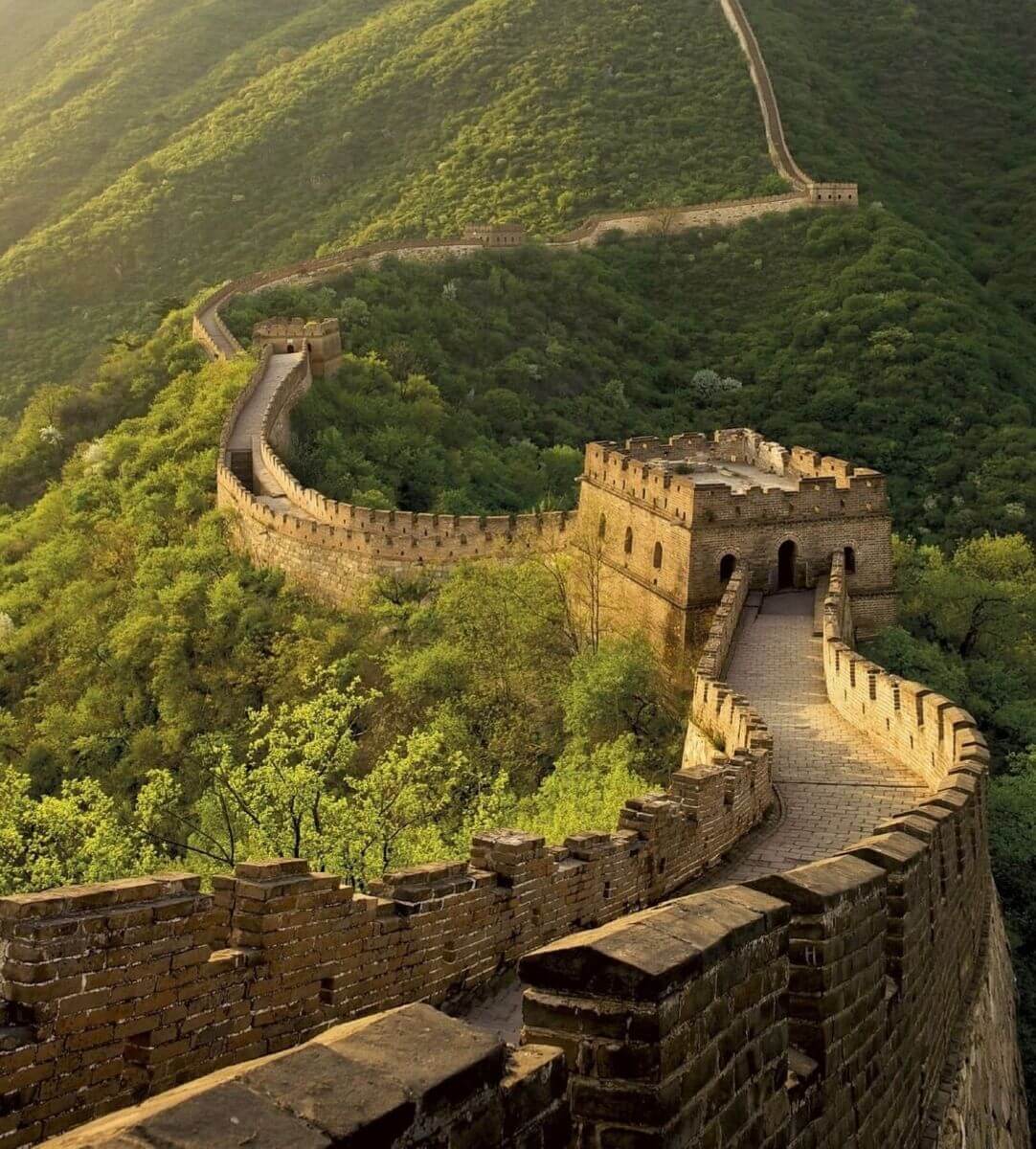
Most tourists today walk along sections built during the Ming dynasty. Even though earthquakes, erosion, and centuries of exposure have damaged large portions, no later civilisation has matched the ambition or endurance of this project. The Great Wall stands not just as a monument, but as proof of what human ambition can achieve – even at an enormous cost.
The Chinese wall did more than keep enemies out. It protected the booming Silk Road trade that brought silk, spices, and ideas across the continent. It also helped control borders and collect taxes on goods. In many ways, it helped shape ancient China’s growth and power.
IS IT STILL WORTH VISITING TODAY?
Definitely, if you choose the right sections. According to Wikipedia, only about 9% of the original wall remains intact, but the restored parts near Beijing are incredible. The best parts of the wall are just a 90-minute drive away, making it a perfect day trip if you’re in the capital.
2. Taj Mahal in India
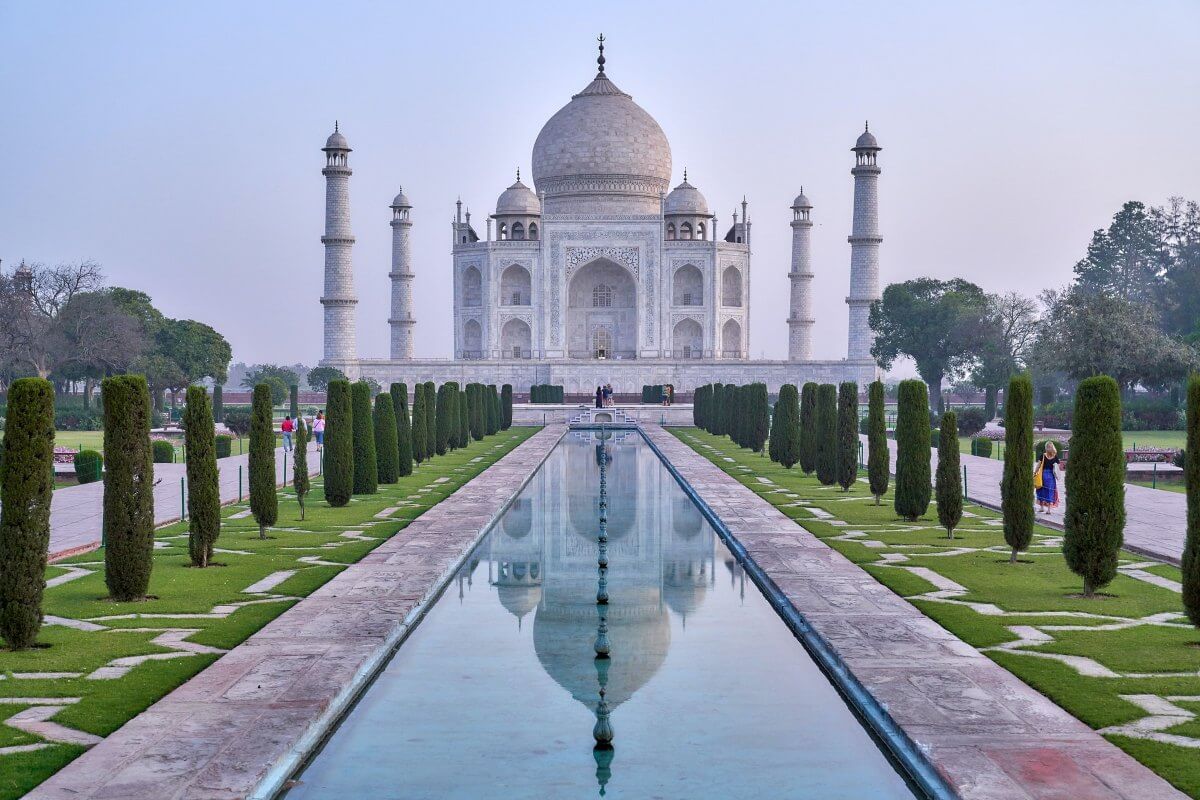
Among all the wonders of the modern world, the Taj Mahal in India stands out for its beauty and the emotion behind it. Located in Agra, about 220 km (136 mi) from New Delhi, it remains the most visited attraction in the country and a proud national symbol. According to UNESCO, the Taj Mahal represents the greatest architectural achievement in the entire Indo-Islamic architecture. Few who see it in person argue otherwise.
A LOVE STORY CARVED IN STONE:
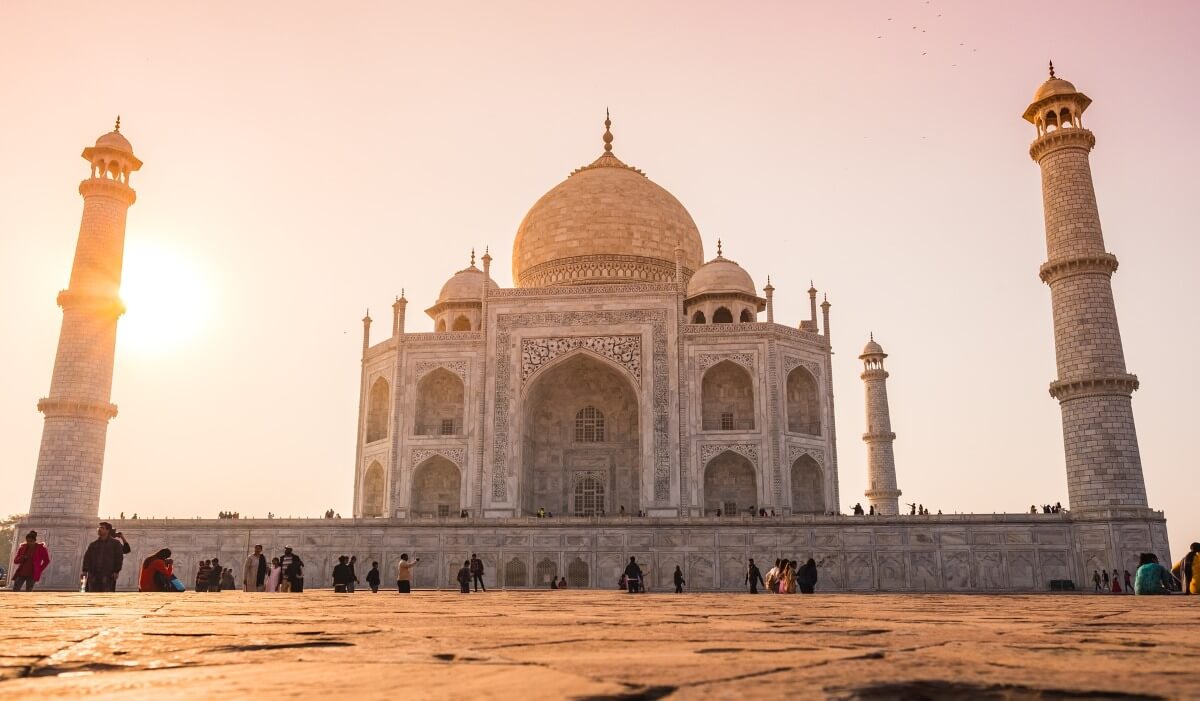
The Taj Mahal does more than impress – it tells a personal story at an imperial scale. The monument exists because of grief and is a universal symbol of love.
Mughal emperor Shah Jahan commissioned the monument between 1631 and 1648 to honour his wife Mumtaz Mahal, who died during childbirth. Builders completed the complex over two decades, with around 20,000 artisans, stonecutters, calligraphers, and engineers working on the site, according to Wikipedia. Unlike the Great Wall, which expanded over centuries, the Taj Mahal rose within a single ruler’s lifetime, requiring extraordinary coordination and precision.
The white marble complex comprises a main gateway, mausoleum, mosque, rest house, and gardens featuring a reflective pool. Designers planned every element with mathematical precision. The monument follows perfect symmetry on all sides, with 4 minarets angled slightly outwards, according to Wikipedia. This protects the tomb in case of collapse – an early seismic safety consideration. Archaeologists also note that the elevated riverfront platform helped regulate moisture and temperature, protecting the marble from long-term damage.
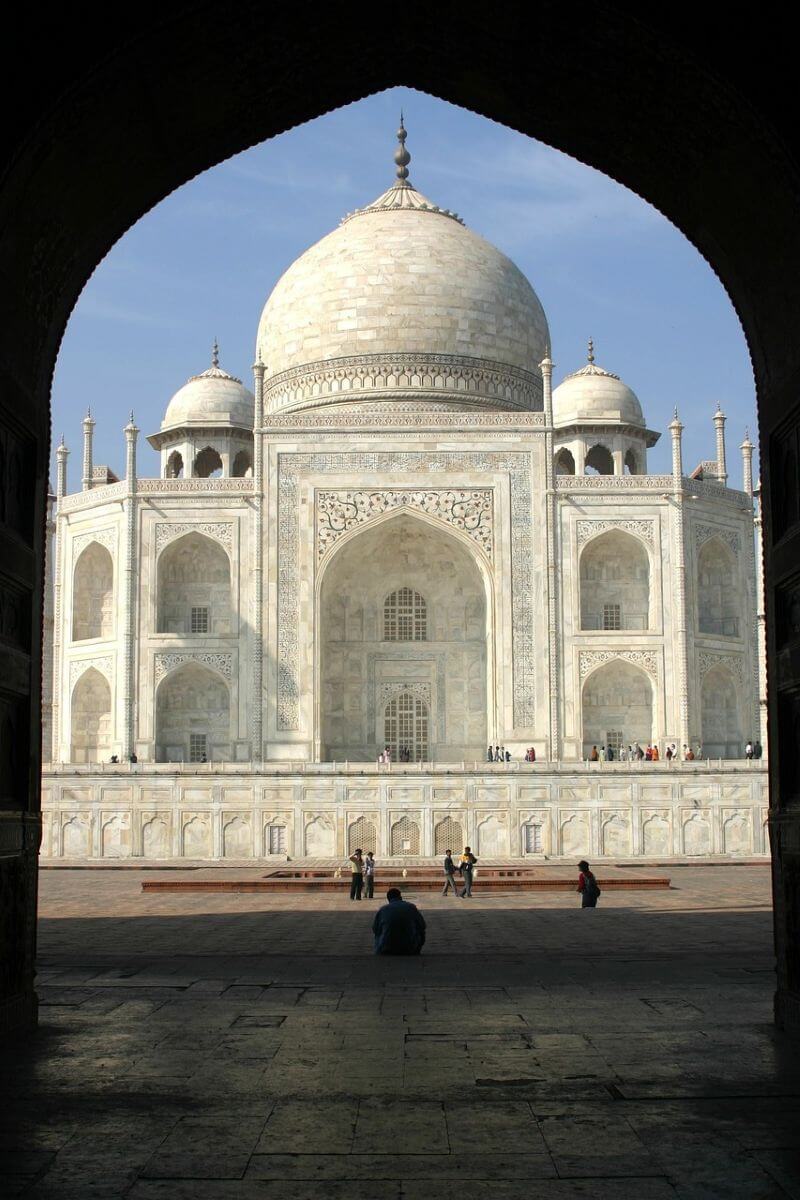
The walls glow with inlaid gemstones and flowing Persian inscriptions, while the dome’s proportions follow strict geometric ratios. This creates visual harmony from any angle and shows skill, care, and deep emotion from love.
Wonders of the Modern World in the Americas
3. Machu Picchu in Peru
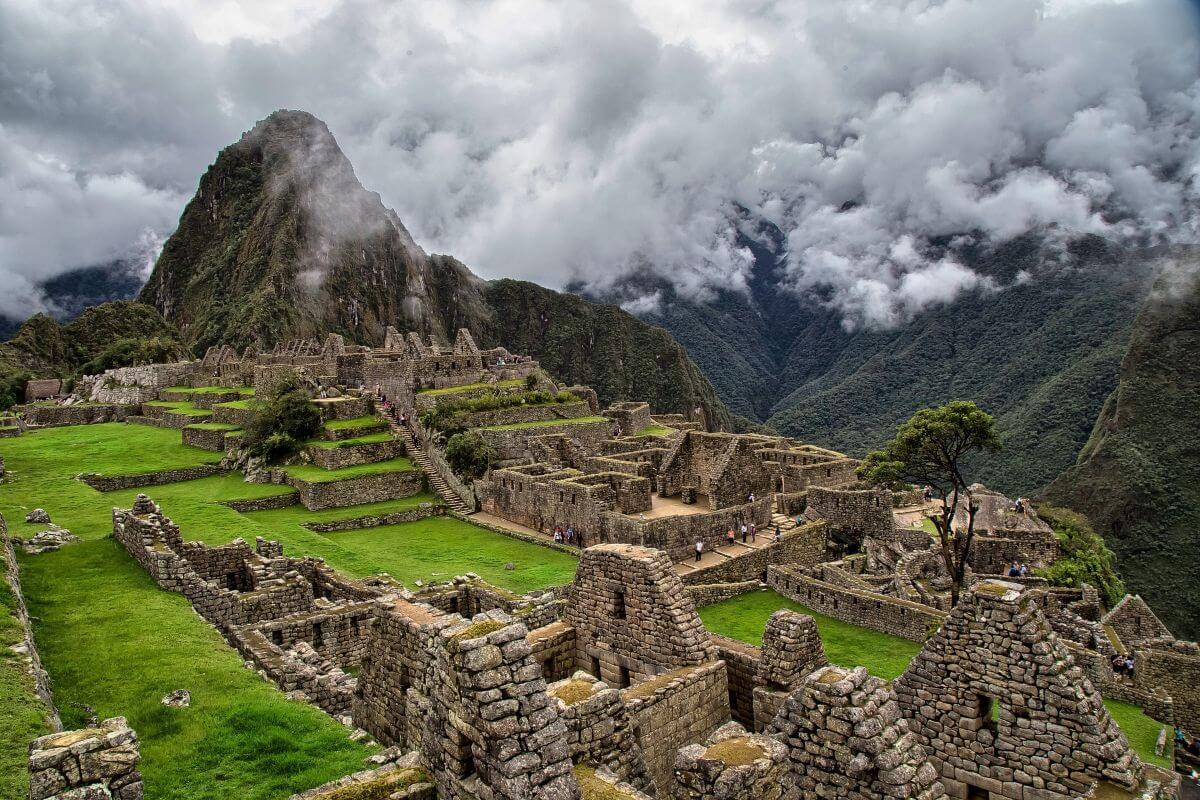
Hidden high in the Andes at 2,430 m (7,972 ft), this Inca city overlooks deep valleys and mist-covered peaks. Located northwest of Cuzco, the former capital of the Inca Empire, Machu Picchu was built in the 15th century and remained untouched until 1911, when Hiram Bingham introduced it to the outside world, according to Wikipedia. Today, it stands as Peru’s most visited attraction, a UNESCO World Heritage site, and one of the most technically impressive wonders of the modern world.
THE INCAS ENGINEERING MASTERPIECE:
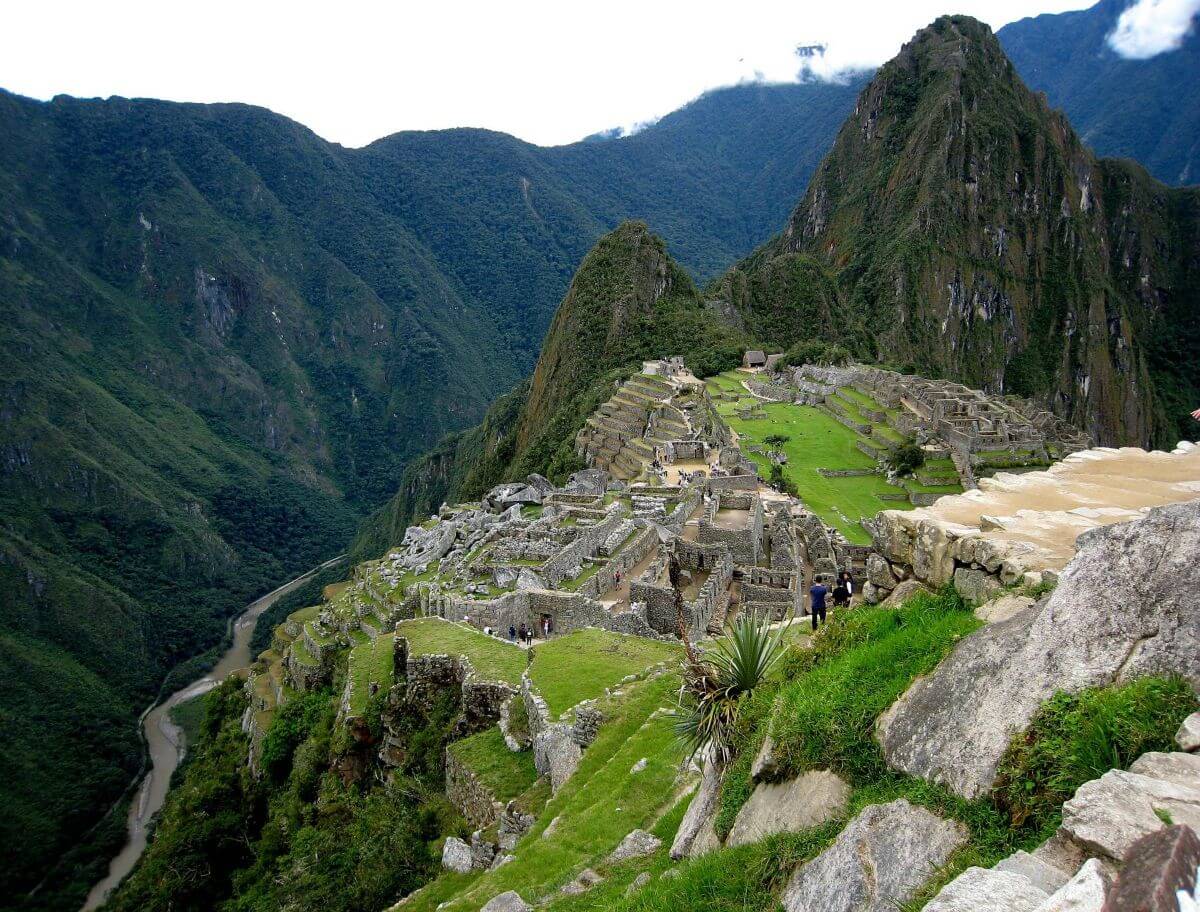
The site sits within the upper Amazon basin, one of the most biodiverse regions on Earth. Yet the Incas controlled water, erosion, and stability with astonishing precision.
Rather than flattening the mountain, they shaped their city around it. Machu Picchu blends seamlessly into its surroundings, with nearly 200 stone structures spread across ridges and terraces. These include temples, ceremonial platforms, agricultural fields, and storehouses, all connected by a sophisticated water system that still functions today. According to National Geographic, builders used ashlar masonry, cutting stones so precisely that they fit together without mortar. This technique, together with trapezoidal doorways, inward-leaning walls, and strategically placed bracing stones, allowed the city to absorb seismic shock from nearby fault lines. Unlike the Colosseum, which relies on massive concrete foundations, Machu Picchu stays standing through flexibility .
Scholars still debate Machu Picchu’s true role. Some see it as a royal retreat, other a sacred pilgrimage site or agriculture research centre. Archaeologists also believe the city’s elevation reduces disease exposure, while the terraced slopes prevent landslides and improve crop yields. These details suggest Machu Picchu functioned as more than a ceremonial site. It also acted as a carefully planned, self-sustained environment.
To protect it, authorities now cap daily visitor numbers. Travel between May and September requires advance booking, as tickets regularly sell out days or even weeks ahead.
4. Chichen Itza in Mexico

Located in Mexico’s Yucatan Peninsula, Chichen Itza stands as one of the clearest proofs that the ancient Maya mastered science, time, and space long before modern tools existed. This UNESCO World Heritage Site ranks as Mexico’s most visited archaeological site and the most visited Maya ruins on earth. People lived and ruled here from at least 750 AD, possibly earlier, according to Wikipedia. Both Maya and Toltec cultures shaped its design, creating a rare fusion that UNESCO recognises as one of the most important Maya-Toltec cities ever discovered.
WHAT MAKES IT ONE OF THE GREATEST MAYA SITES?

The Maya didn’t just build monuments – they encoded knowledge into stone.
Their most famous structure, the Temple of Kukulcan, acts as a stone calendar. Its 365 steps reflect the solar year, while its orientation tracks seasonal movement with remarkable accuracy. During the spring and fall equinox, sunlight forms a serpent-shaped shadow that appears to crawl down the pyramid’s staircase. This moment wasn’t decorative – it marked sacred transitions in the Maya calendar and required generations of astronomical observations.

Unlike Machu Picchu, which blends invisibly into its mountain environment, Chichen Itza dominates an open plain, using geometry and visibility to communicate power and belief. The Maya also engineered acoustics into the site. A single clap near the pyramid echoes like the call of a sacred quetzal bird. This is a result of intentional stone spacing rather than coincidence.
IS IT WORTH VISITING?
Absolutely. We’ve returned twice, and each visit deepened our understanding. Few places show how human belief, mathematics, and observation can shape an entire city – and still speak clearly centuries later.
READ MORE:

5. Christ the Redeemer in Brazil
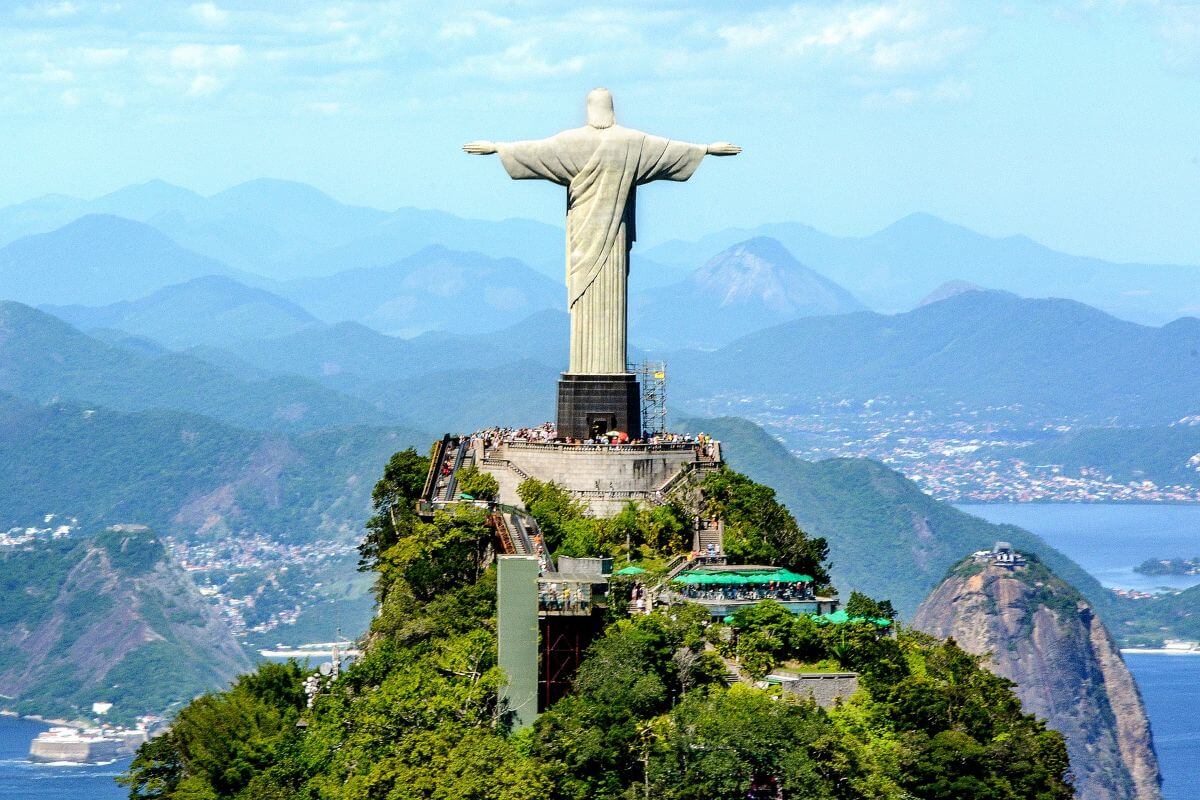
Rising above Rio de Janeiro from the peak of Corcovado Mountain, Christ the Redeemer dominates the skyline at 710 m above sea level. This Art Deco monument didn’t just become Brazil’s most recognisable symbol by chance. Engineers designed it to survive one of the harshest urban environments on earth. Strong Atlantic winds, heavy rainfall and frequent lightning strikes shaped every design decision.
Construction began after World War I, following a nationwide fundraising effort led by the Catholic Church. Designers used reinforced concrete for structural strength and covered it with 6 million triangular soapstone tiles, according to CNN. Architects selected this material not only for its beauty, but also because it resists heat, erosion, and moisture – a critical factor at this exposed elevation. At 38 m tall, Christ the Redeemer stands as the tallest Art Deco statue in the world. You can spot it from nearly anywhere in Rio. Beneath the statue, a small chapel still hosts weddings, turning a global icon into a living place of worship.
BRAZIL’S PRIDE, BUT DESERVING A SPOT?
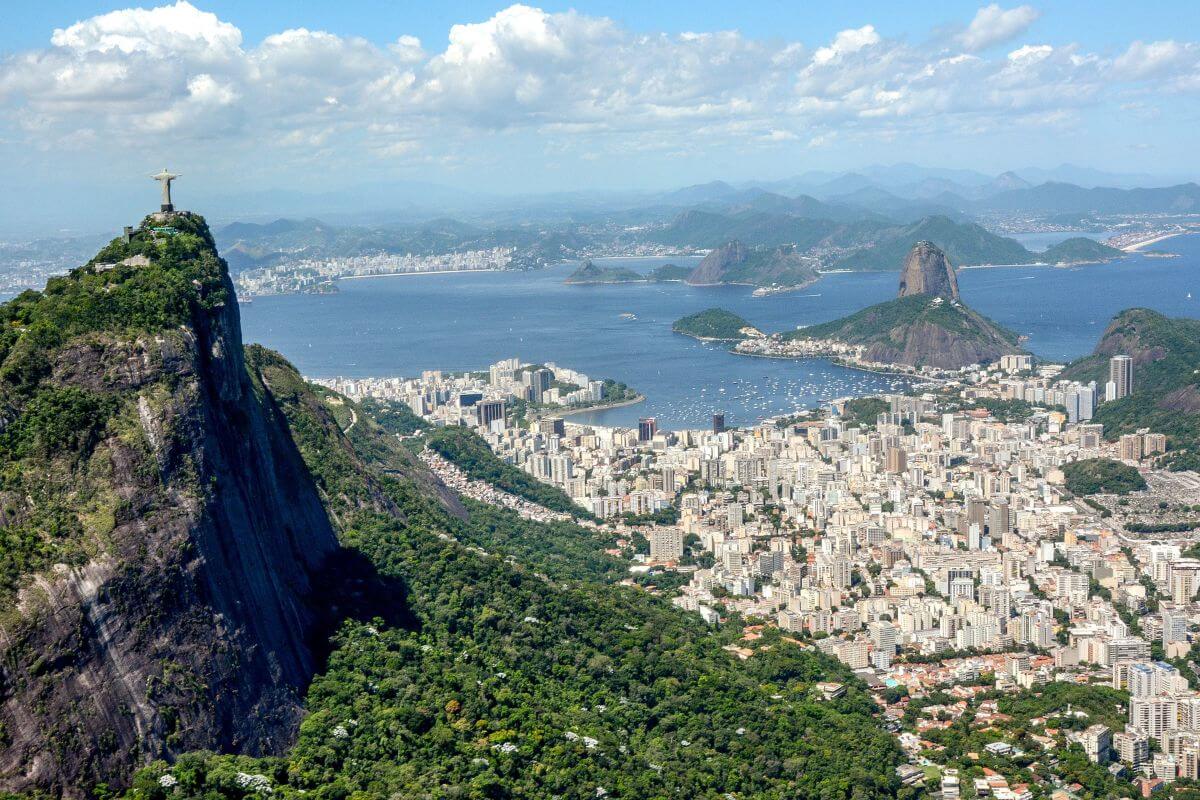
Christ the Redeemer attracts millions of visitors each year, but its inclusion among the wonders of the modern world remains controversial. Unlike Chichen Itza, where stone calendars tracked cycles centuries ago, or the Great Wall of China, built by generations of labourers over millennia, Christ the Redeemer represents modern symbolism rather than ancient engineering mastery. It’s also the youngest wonder on the list, completed less than 100 years ago.
So how did it win? Voting power. The New Seven Wonders campaign allowed unlimited voting, and Brazil ran one of the strongest national campaigns. The country promoted the statue aggressively, understanding the tourism value, and won. That strategy worked, and explains why cultural influence, not age or complexity, secured its place on the list.

Wonders of the Modern World in the Middle East
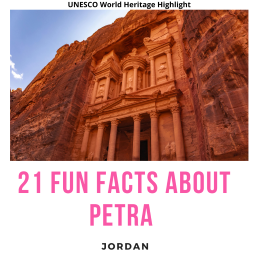
6. Petra in Jordan
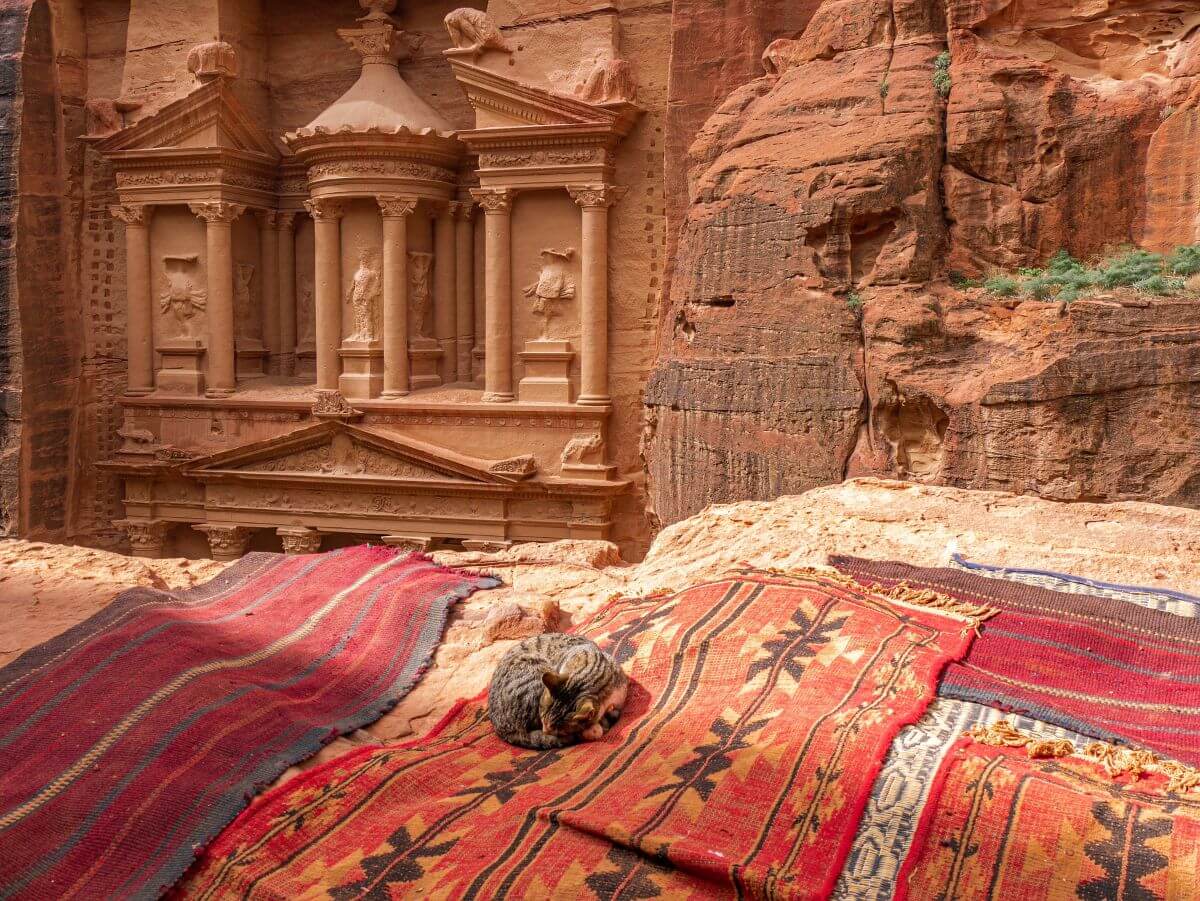
Hidden deep in a desert valley in southwest Jordan, Petra doesn’t just feel hidden – it was designed that way. More than 2,000 years ago, the Nabataeans chose this remote location with purpose, then carved an entire city directly into living rock. Unlike the Great Wall of China, which builders constructed stone by stone over centuries, Petra emerged by removing stone, not stacking it. That single decision shaped one of the most extraordinary landscapes on our planet.
The Nabataeans were not just traders; they were master engineers. Rather than building upward, they carved inward. They shaped homes, tombs, and temples directly from rock, creating structures that absorbed seismic shock and resisted erosion. Trade wealth from the silk and spice routes funded this ambitious project, allowing more than 30,000 people to live here. A thriving Nabataean capital had temples, gardens, public spaces, and religious centres. Archaeologists highlight Petra’s hydraulic system as one of the ancient world’s most sophisticated. Cisterns, channels, and dams allowed life to thrive in a harsh environment, capable of capturing seasonal rain and storing it for dry months.

The approach alone sets Petra apart. The main entrance winds through the Siq, a narrow canyon that stretches for about 1 km. The walls rise dramatically, blocking sound, light, and heat. When the Treasury appears at the end, the reveal feels intentional. It’s a masterclass in urban planning and has a psychological impact.
MORE SECRETS THAN YOU THINK:

What visitors see today represents only a fraction of Petra’s true size. Researchers estimate that most of the city still lies buried beneath sand and stone. More than 600 carved facades line the cliffs, including royal tombs, a monumental theatre, and a vast monastery. Recent excavations uncovered long-lost gardens and water channels that once turned desert into green space. In 2024, archaeologists confirmed a hidden tomb beneath the Treasury, containing 12 skeletons and artefacts. Petra remains one of the few modern wonders of the world still actively revealing its secrets.
READ MORE:
Wonders of the Modern World in Europe
6. Colosseum in Italy

Did you know Europe claims only one place among the New Wonders of the Modern World? The honour belongs to the Colosseum in Italy. Once you step inside, the reason becomes obvious. Nearly 2,000 years ago, Emperor Vespasian launched an engineering project unlike anything the ancient world had seen. His son Titus completed it in 80 AD, delivering the largest amphitheatre in the world.
THE SCALE OF THE PROJECT:

The Colosseum could hold between 50,000 and 80,000 spectators. Some experts suggest a capacity reached as high as 87,000, according to Wikipedia. Roman engineers designed the structure to manage crowds with military precision. Tiered seating reflected social rank. Numbered entrances, sloped corridors and a complex of staircases allowed tens of thousands to enter or exit within minutes. Below the arena floor, a hidden world formed a mechanical maze of tunnels, lifts, and cages. Workers used 36 trap doors to release animals and fighters into the arena at precise moments, turning entertainment into choreography.
Unlike Machu Picchu, which blended quietly into its mountain environment, the Colosseum projected dominance. It stood as a public statement of Roman power, wealth and control. Historians estimate that tens of thousands of labourers (from enslaved workers to skilled engineers) built the structure using concrete, travertine, limestone, and volcanic stone. The Colosseum didn’t just host games; it shaped Roman identity and became a testament to Roman engineering longevity. Today, it’s Italy’s most visited attraction.
READ MORE:

Now you know what the Seven Wonders of the Modern World are!
An honorary status on the list of the Wonders of the Modern World
8. Great Pyramid of Giza in Egypt
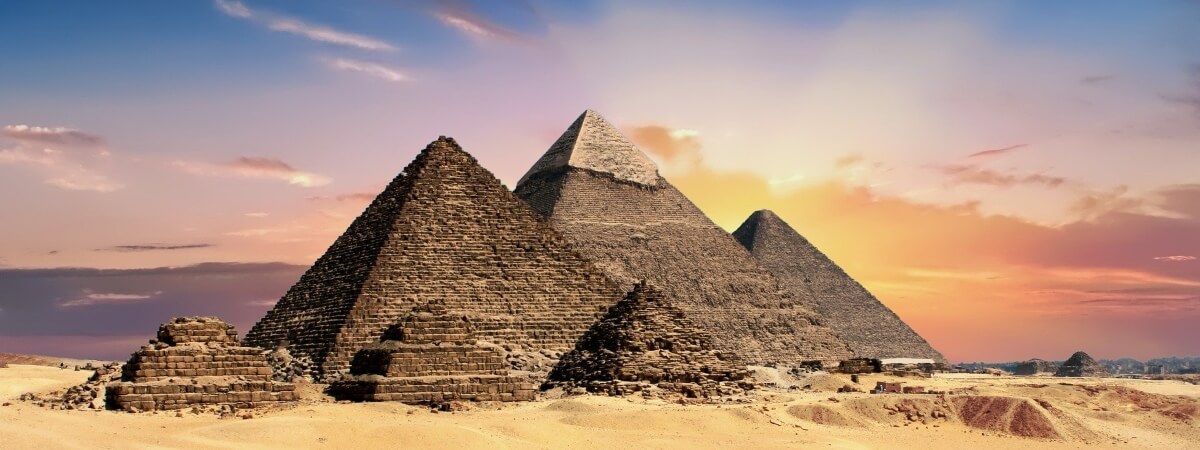
Every wonder on this list impresses, but the Great Pyramid of Giza rewrote what humans believed was possible. Standing north of Cairo, it remains the only ancient wonder to survive into modern times. Although it didn’t join the official New Seven Wonders, it received honorary status for a simple reason: nothing rivals it.
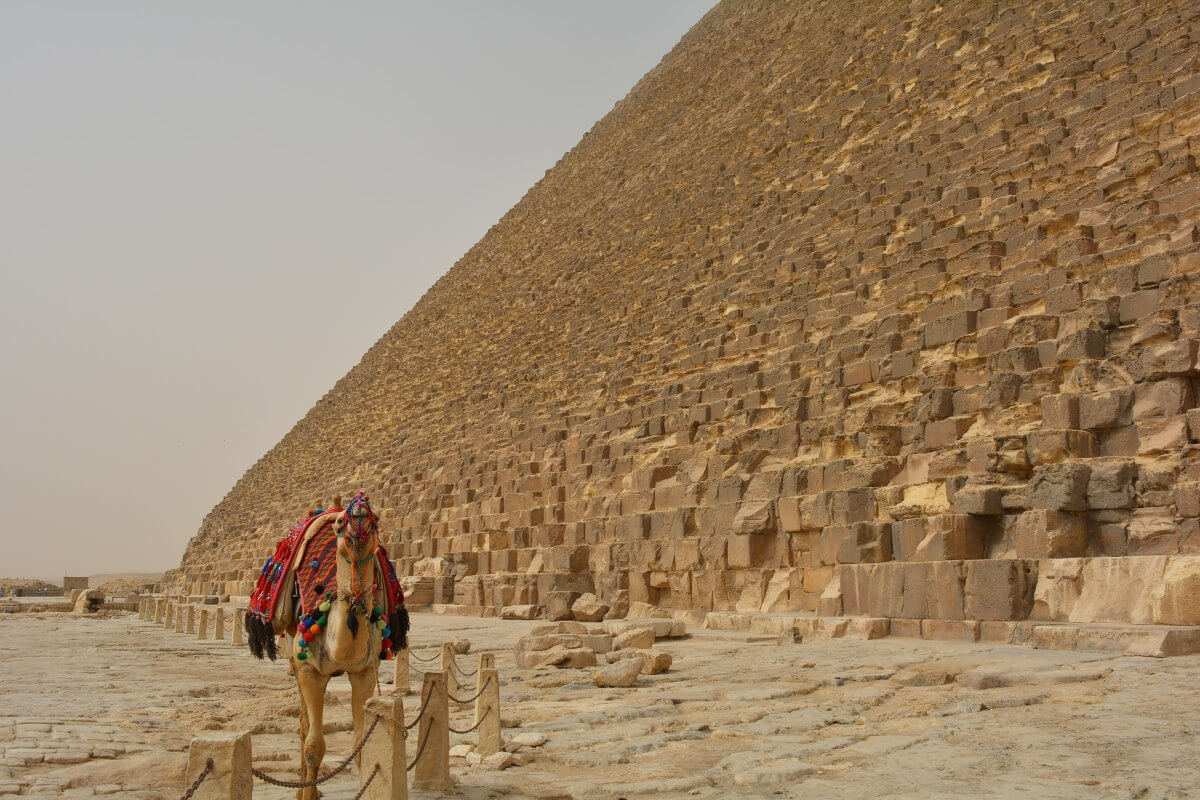
Pharaoh Khufu ordered its construction around 2600 BC, making it the oldest and largest of the three Giza pyramids. For nearly 3,800 years, it held the record as the tallest structure ever built, reaching 147 m (481 ft). National Geographic reports builders assembled more than 2.3 million limestone blocks, each weighing roughly 2 – 15 tons, with astonishing accuracy. Archaeologists now agree that skilled, paid labourers (not slaves) completed the project over roughly 20 years, supported by a highly organised supply system along the Nile.
What sets this pyramid apart goes beyond size. Engineers aligned it to true north with near-perfect precision – a margin of error modern instruments still struggle to match. Unlike Petra, where artisans carved downward into sandstone cliffs, or Machu Picchu, which adapted to its mountain terrain, the Great Pyramid imposed absolute geometric order on the landscape. The level of planning still challenges modern engineering.
SO, SHOULD YOU VISIT?
Absolutely. We did, and it changed how we understand human achievement. Standing at the base of the Great Pyramid, you don’t just see history, you feel it. You walk the same ground as pharaohs, master architects, and skilled workers who shaped this monument 4,600 years ago. No photograph prepares you for the precision, silence, and weight of what surrounds you. If any place proves that ancient civilisation rivalled and often surpassed modern engineering, it’s this one.
Thank you for staying with us until the end! If you’ve enjoyed this article, please consider sharing this post to extend its reach.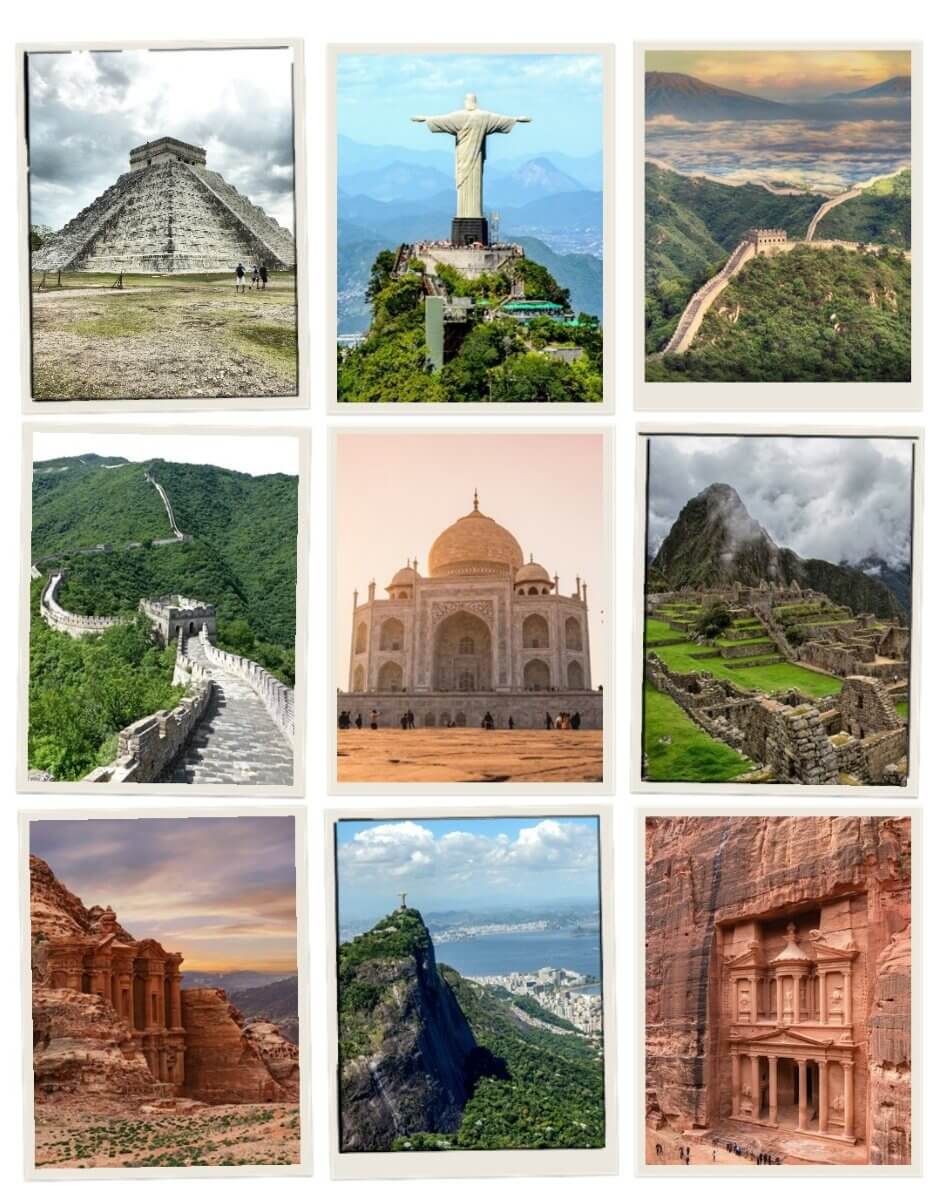
How many wonders of the modern world have you visited? Which one is your favourite? Let us know in the comments below.
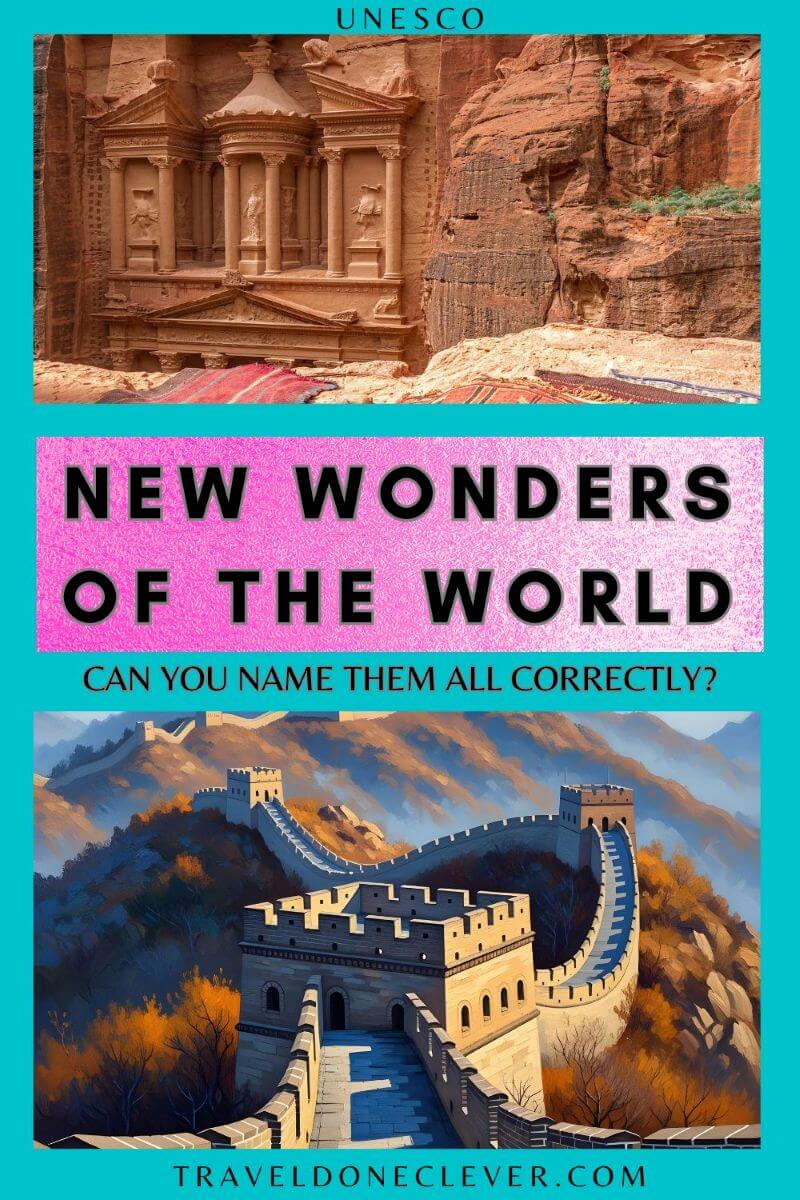
Pin the 7 Wonders of the Modern World for later!

YOU MAY ALSO ENJOY:





Last Updated: 26/01/2026
We really want to see all of them! So far we have seen Chichen Itza and the Colosseum. Hoping to visit Egypt and Petra in October so fingers crossed. Reading this made me wanna go sooo bad!